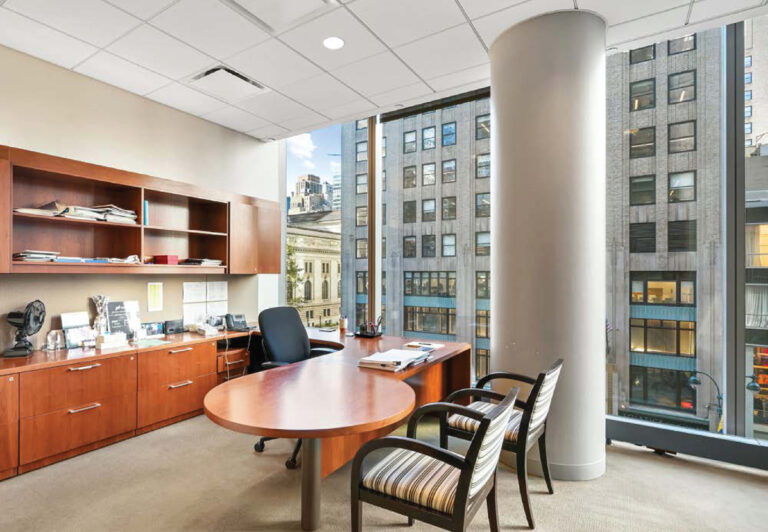
List Office Space for Lease A Complete Guide for Owners & Brokers
When landlords or brokers list office space for lease, that listing often becomes the first point of contact between the property and prospective tenants. It must communicate professionalism, clarity, and value. A weak or vague listing yields low-quality leads, wasted viewings, and longer vacancy periods. Conversely, a well-crafted listing filters out mismatches and attracts serious inquiries.
Evolving Market Expectations
Today’s office seekers expect listings to be more than text and specs. They look for interactive floor plans, virtual tours, real-time availability, and transparent terms. In competitive markets, landlords differentiate by listing quality, platform presence, and data integration. The shift to flexible and hybrid work further elevates demand for listings that reflect adaptability and amenity richness.
Elements of a High-Impact Lease Listing
Detailed, Tenant-Focused Description

An effective listing should begin with a concise overview highlighting the property’s core advantages. Then expand into specifics:
-
Address, building name, floor
-
Lease rate (per sq ft or total) and lease type (gross, net, full-service)
-
Usable area, floor efficiency, ceiling height
-
Amenity set: HVAC, security, elevator, parking, shared spaces, reception
-
Recent renovations, infrastructure upgrades
-
Access hours, foot traffic, signage, frontage
-
Photos, floor plans, virtual tours
Tailor the language to what tenants care about: ease of move-in, prestige, flexibility, and infrastructure readiness.
Visuals, Virtual Tours & Floor Plans
High-quality images of interiors, views, lobbies, and amenities are essential. Virtual 3D tours let prospects walk through the space remotely, reducing wasted visits. Interactive floor plans help them imagine layout options. Visuals build confidence and compel engagement.
SEO & Keywords in the Listing Copy
Use “office space for lease,” “commercial lease office,” “serviced / flex office,ce” e,tc. In your headline, subheading, and early paragraphs. Incorporate location keywords (city, district, street) to improve search visibility. Use synonyms (“office for rent,” “office lease”) to capture varied search queries.
Choose & Optimize Platforms
List your property on high-traffic commercial real estate portals, flexible-office marketplaces, local listing sites, and your own website. Many listings today use syndication tools to push one entry across multiple portals, ensuring consistency and reach.
Technology Enhancements That Boost Listing Effectiveness
Dynamic Analytics & Iteration
Track metrics (views, click-throughs, inquiries) for your listing. Use that data to adjust photos, headlines, layout, or pricing. Listings should evolve based on performance.
Live Availability & IoT Data
Advanced listings integrate real-time status (occupied vs vacant), environment data (temperature, occupancy), or usage analytics. This transparency earns trust and filters leads.
Virtual / Augmented Reality
Empty or partially fitted spaces benefit from virtual staging or AR overlays to show prospective tenants how furniture or partitions might look. It helps them visualize the potential without physical changes.
Automated Lead Capture & CRM Integration
Embed inquiry forms, auto-responders, and scheduling tools that feed into a CRM. Swift follow-up increases conversion. Automated lead routing and tracking ensure no inquiry is lost.
Syndication & Smart Distribution
Use tools that push your listing to many marketplaces at once, updating in real time (e.g., when a space becomes taken). This reduces manual updates and broadens reach.
Real-World Example Listings & What Makes Them Work
Class A High-Rise Office Floor Listing

This listing showcases full-floor office space in a skyscraper. It includes panoramic photos, floorplates, views, signature amenities, and direct contact links.
Explanation: It targets large tenants who seek prestige, scale, and infrastructure. The listing emphasizes building systems, elevator banks, and efficiency.
Flexible/Serviced Office Suite Listing
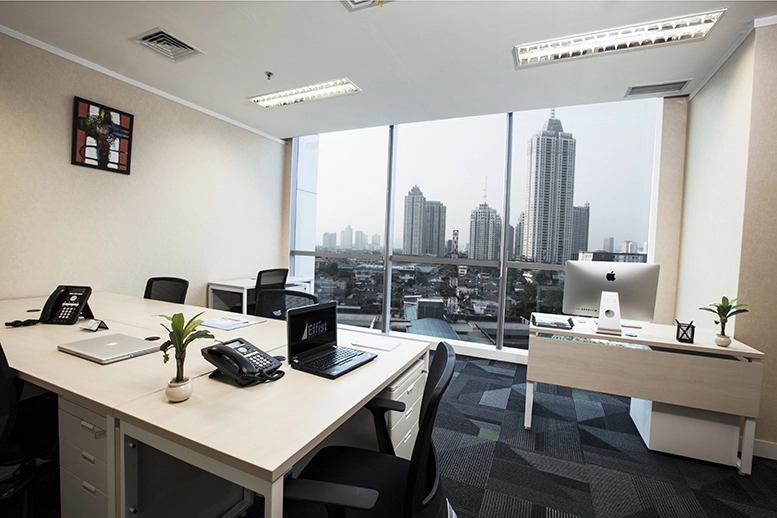
A listing offers smaller private suites within a coworking / serviced office center. It shows all-inclusive terms, shared amenities, meeting rooms, and flexibility of move-in.
Explanation: This appeals to startups and small companies that don’t want long leases or fit-out risk. Offering a turnkey suite lowers barriers.
Boutique Office in Historic Building

This listing highlights a small office in a converted heritage building, emphasizing character, location, and community feel.
Explanation: Creative firms or boutique practices value charm and uniqueness. The listing plays to aesthetics, surroundings, and hidden architectural value.
Each of these demonstrates different target audiences, scale, and listing emphasis. The best landlords often combine a variety of listing styles to cover multiple market segments.
Benefits of Well-Executed Office Lease Listings
Faster Leasing & Reduced Vacancy
High-quality, visible listings fill space quickly. Prospects can self-qualify before touring, reducing wasted viewings and time.
Better Lead Quality & Lower Effort
By providing transparency and detail up front, you attract serious leads and eliminate casual or misfit inquiries.
Pricing Power & Optimization
Listings that perform well allow landlords to test pricing adjustments or concession offers. Analytics guide optimal rent levels.
Efficient Marketing & Scale
With syndication, automation, and CRM, listing becomes scalable. Less manual effort and more coverage.
Trust & Brand Enhancement
Professional listings with transparency, visuals, and responsiveness build credibility, improving brand reputation in real estate circles.
Use Cases & Scenarios
Subletting Excess Space
A company has surplus space. Listing portions (floors or suites) brings in revenue and avoids leaving space idle.
Launching New Properties
A new building or renovated floor needs tenants. Advanced listings help pre-lease or attract early tenants before completion.
Hybrid / Flex Space Strategy
Some landlords adopt hybrid models: part traditional lease, part flexible suites. Listings reflect that spectrum and test demand for flexibility.
Upgrading & Repositioning
An older building can be repositioned with upgraded amenities. Relaunching listings with improved visuals and tech attracts a higher-end tenant base.
Community & Co-Working Overlay
Buildings may combine private offices with coworking areas. Listings highlight both opportunities to appeal across tenant types.
These cases show how the listing strategy adapts to business needs, property type, and market conditions.
How to Create and Maintain Outstanding Listings
-
Gather full building specs and visual assets.
-
Craft compelling narrative & tenant-oriented copy.
-
Select and syndicate to platforms.
-
Embed inquiry capture & CRM integration.
-
Use analytics to adjust copy, visuals, and pricing.
-
Refresh periodically with new photos, status updates.
-
Follow up leads quickly and professionally.
Frequently Asked Questions (FAQ)
Q1: What’s the difference between “listing office space for lease” and “office space for rent”?
While often used interchangeably, “for lease” often implies longer-term commitments and commercial real estate format, whereas “for rent” can include shorter-term or flexible terms. Listings should clarify lease length and type.
Q2: How many platforms should I list on?
As many as feasible, balanced with effort. Use a core set of high-traffic commercial portals, plus flexible-space marketplaces, local directories, and your own site. Syndication tools make managing multiple listings easier.
Q3: How often should I refresh a listing?
Every 30–60 days or when any detail (photos, price, status) changes. Frequent refresh signals activity to platforms and keeps the listing from going stale.