Retail Estate Agents Specialists in Commercial Retail Property
Retail estate agents are specialized real estate professionals who focus on commercial properties used for retail activity shops, shopping centers, high streets, malls, and street-front stores. Their expertise lies in understanding foot traffic, consumer behavior, tenant mix, lease structures, and the unique demands of retail property, differentiating them from general commercial or residential agents.
Their role is pivotal for both landlords looking to maximize rental yield and retailers seeking optimal locations. A skilled retail agent bridges market knowledge, negotiation experience, and trend insight to match tenant and landlord interests. As retail landscapes evolve with e-commerce, experiential retail, and hybrid models, the value of experienced retail estate agents has increased, especially in selecting locations that drive sales.
Core Functions and Expertise of Retail Estate Agents
Market Analysis & Site Selection
Retail agents conduct detailed analyses of trade areas, demographics, traffic flows, competitor presence, and consumer spending power. They use this data to identify promising locations or reposition existing retail assets.
When a retailer searches for space, the agent recommends sites aligned with brand image, target audience, and growth plans. For landlords, agents advise on repositioning, refurbishing, or subdividing retail units to match demand.
Leasing Strategy & Deal Structuring
Retail estate agents craft lease proposals, negotiate lease terms, and advise on rent, turnover rent (percentage of sales), lease durations, tenant improvement allowances, and escalation clauses. They understand the balance between securing tenants and protecting landlord interests.
They also manage relationships, coordinate lease documentation, ensure compliance, and oversee tenant fit-outs. For complex leases in shopping centers or mixed-use retail malls, their ability to design tenant mix strategies is critical to long-term center success.
Real-World Examples of Retail Estate Agents in Action
Below are three illustrative scenarios (hypothetical but plausible) showing how retail estate agents operate across settings.
High Street Retail Leasing by Agent
An agent represents a landlord of a prime high-street building in a central shopping district. The agent markets the property to fashion, café, and boutique brands, negotiates favorable lease terms, and ensures the tenant mix complements neighborship.
In this scenario, the agent’s local knowledge is essential: footfall counts, evening use, adjacent anchors, zoning, and signage potential all play a role. The agent positions the retail space not just as rentable square footage but as a sales-generating platform for the incoming tenant.
Shopping Center Leasing by Agent

In a regional shopping mall, a retail agent is tasked with leasing available inline and anchor spaces. The agent evaluates retail categories, ensures complementary services (food, fitness, leisure), coordinates cross-promotion, and negotiates leases with regional chains.
Here, the agent acts like a curator: selecting tenants that enhance the center’s experience, filling gaps in category mix, and negotiating co-tenant clauses and tenant responsibilities. Their role is as much about strategic positioning as brokerage.
Outlet / Value Centre Leasing by Agent
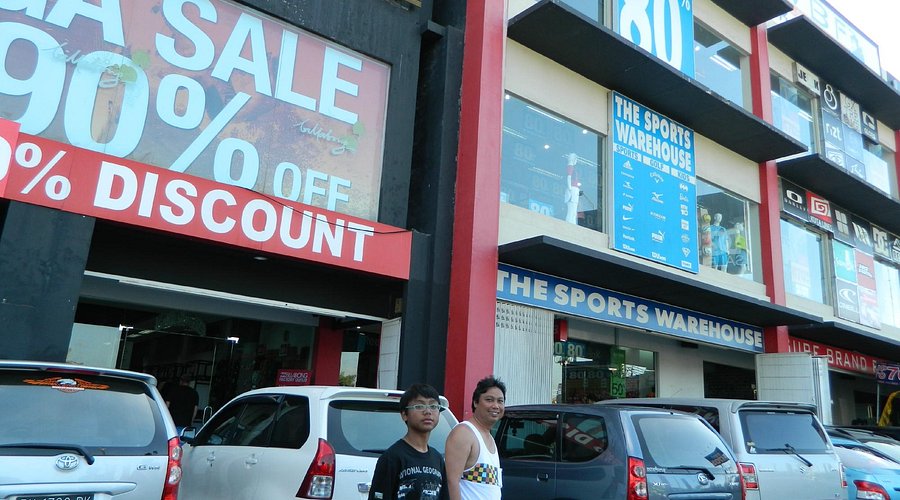
In an outlet center or factory retail hub, an agent markets discounted or value brands. They structure leases with traffic guarantees, seasonal adjustments, and collaborative marketing programs.
This specialization requires an understanding of off-price retail dynamics, promotional cycles, and retailer expectations for consignment, returns, and turnover rent. The agent helps landlords tailor lease mechanics to this retail subset.
Each example reveals how retail agents adapt their approach depending on context: high street, mall, outlet, but always with retail-specific knowledge and negotiation finesse.
Benefits of Using Specialized Retail Estate Agents
Deep Retail Market Intelligence
Retail agents stay on top of consumer trends, brand expansion plans, rent benchmarks, and emerging retail formats. This gives landlords and tenants an informational edge in decision-making.
Optimized Tenant-Landlord Matching
Because they understand both sides, retail agents can match tenants with spaces where they’re more likely to succeed, reducing vacancy, turnover, and mismatches.
Superior Lease Terms & Risk Management
Agents structure leases that balance incentives and protections, ns e,.g. turnover rent mechanisms, caps, break options, tenant improvement oversight, and landlord recourse. Their experience helps avoid poor lease traps.
Better Use of Technology
Retail agents often leverage mapping tools, footfall analytics, augmented reality, virtual tours, CRM, and spatial data to present properties more compellingly and make more informed site assessments.
Time Efficiency & Deal Flow
Using an agent accelerates marketing, negotiations, and lease closing. Retail agents maintain pipelines, contacts, and reputation, making sourcing and closing deals faster than solo landlord marketing.
Role of Technology in Modern Retail Estate Agency
Geospatial Analysis & Predictive Modeling
Agents use GIS, trade-area mapping, and predictive algorithms to forecast sales potential, customer reach, cannibalization, and optimal site placement.
Footfall & Dwell Analytics
Sensors and camera data capture footfall, dwell tiand mes, and peak hours. Agents integrate these to validate lease assumptions or negotiate lease terms tied to performance.
Virtual Tours & Interactive Space Planning
Agents deploy 3D tours, augmented interiors, and virtual staging so tenants can visualize fit-outs before viewing physically, saving time and improving engagement.
CRM & Deal Pipeline Automation
Modern agents leverage customer relationship systems to track leads, contacts, proposals, lease documents, and follow-ups, improving conversion rates and client transparency.
Data Dashboards & Performance Tracking
Post-lease, agents monitor retail center performance and tenant sales data, helping clients understand occupancy health, rent roll, and re-leasing trends.
Technology has transformed retail agency from pure sales to a strategic, data-driven discipline.
Practical Use Cases & How Agents Solve Real Problems
Repositioning Underperforming Retail Assets
A landlord has vacant or underperforming retail units. A retail agent assesses what tenant categories are missing, rebrands, repackages spaces, and markets them accordingly. Agents may suggest splitting large spaces, changing fascia, or improving access.
Launching Retail Chains’ Entry into New Cities
A brand expanding into a new market hires a retail agent to source sites, negotiate leases, and assist with local permitting, site design, and roll-out sequencing.
Pop-Up & Temporary Retail Programs
Retail agents may broker short-term leases for brands testing markets or running limited activations. Agents facilitate pop-up leasing, short-term rollouts, and event retail, bridging the gap between permanent leases and pure events.
Managing Mixed-Use / High-Street Redevelopments
In redeveloping urban high-street zones, retail agents guide the mix of uses, retail, residential, and amenities, and coordinate leasing strategy to ensure synergy and sustained foot traffic.
Rescue Leasing Strategy During Market Shifts

When a market softens or consumer patterns shift, retail agents help renegotiate leases, change tenant categories, propose lease incentives, and pivot strategies to maintain occupancy and revenue.
These use cases show how retail estate agents operate not just as brokers, but as strategic partners solving core property challenges.
Best Practices & Strategies for Retail Estate Agents
-
Stay deeply involved in retail trends, brand movements, and consumer behavior.
-
Develop strong networks with retailers, brands, developers, and brokers
-
Use high-quality visuals, virtual tools, and spatial data to showcase spaces
-
Focus on tenant mix and center synergy, not just leasing individually
-
Negotiate flexible, performance-linked lease terms favorably
-
Maintain transparency with clients’ performance data, marketing plans
-
Continuously monitor and adjust leasing strategy based on center data
Frequently Asked Questions (FAQ)
Q1: How do retail estate agents differ from general commercial agents?
Retail agents specialize in property used for the sales of goods shops, malls, and street fronts, so they understand foot traffic, branding, turnover rent, consumer behavior, and site visibility. General commercial agents cover offices, industrial, and land, which have different metrics and priorities.
Q2: What commission models do retail estate agents use?
Retail agents often work on commissions or a percentage of rent over the lease life. In major retail leasing deals, agents may negotiate tiered commissions, renewal commissions, or incentives tied to tenant performance.
Q3: When is it worth hiring a retail estate agent?
If you manage multiple retail properties, are entering new markets, have underperforming units, or seek to lease in competitive districts, a retail agent’s specialization saves time, risk, and increases return.