Office Rental Property What You Should Know Before Leasing
Office rental property refers to real estate assets leased out specifically for office use buildings, floors, suites, or spaces in mixed-use developments. Unlike owner-occupied office buildings, rental properties are built or maintained to attract tenants and generate income for landlords.
For tenants, choosing an office rental property involves evaluating location, amenities, lease flexibility, infrastructure, and operational efficiency. For property owners, managing rental properties means balancing tenant needs, maintenance, upgrades, and maximizing occupancy. As work patterns evolve globally, demand for well-specified, flexible office rentals remains strong, especially for quality, tech-enabled spaces.
Types & Varieties of Office Rental Properties
Traditional Office Buildings & Floors
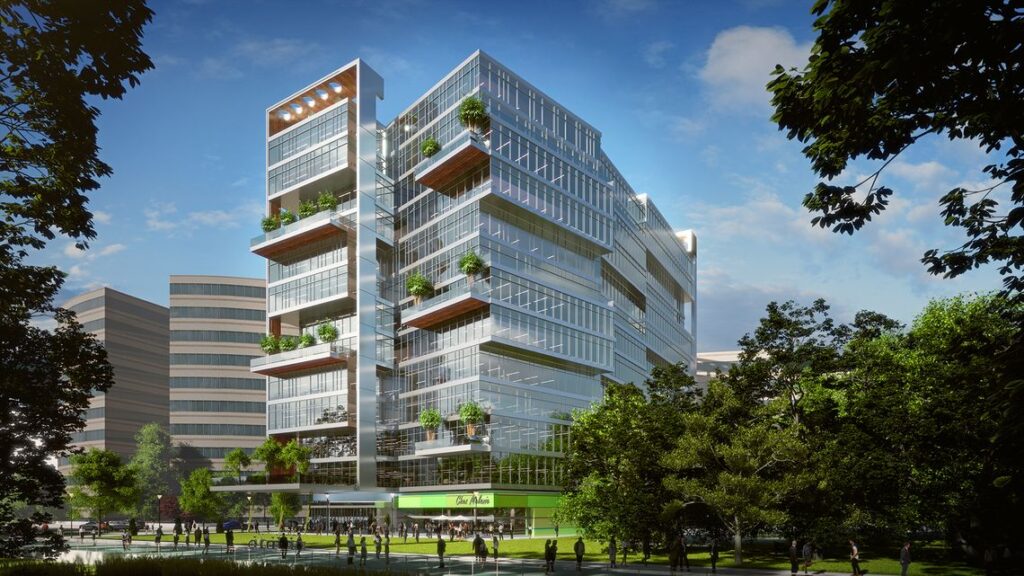
These are dedicated commercial buildings or floors within mixed-use towers. They often include long-term leases and tenants who customize interiors. Rental property owners may deliver space as a shell or partly finished, with tenants doing the fit-out.
Serviced / Managed Office Properties
These rental properties are set up with full infrastructure, furniture, internet, utilities, and shared amenities. Tenants rent turnkey suites, often on shorter-term leases, paying all-in rates. Owners of these properties manage operations as part of the offering.
Co-working / Hybrid Office Rental Properties
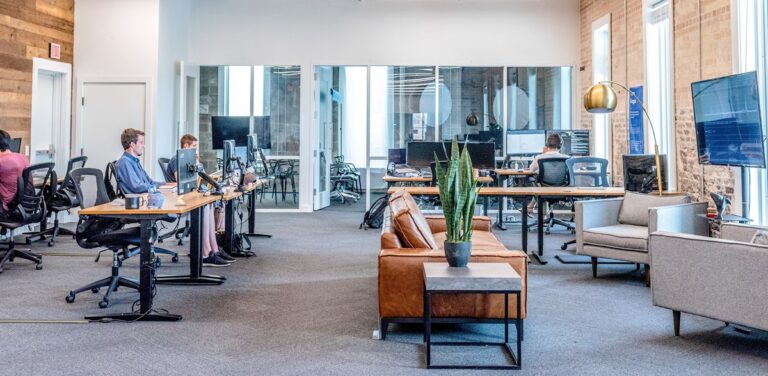
Rental properties designed for flexible, shared office use often combine open workspaces, private offices, meeting rooms, and community amenities. They appeal to startups, freelancers, and small teams seeking flexibility.
Mixed-Use or Office-Retail Rental Properties
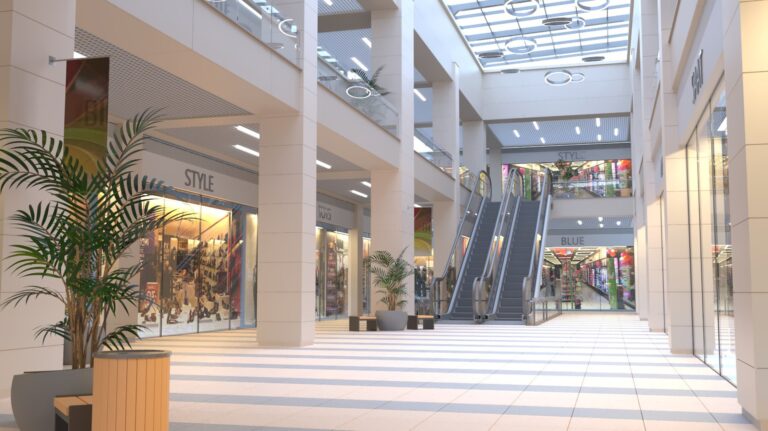
In many urban zones, office rental properties are part of mixed-use developments that include retail, residential, or hospitality components. Offices may be above shops, with access and amenities shared.
Flex / Light Industrial-Office Rental Properties
In some zones, properties combine light industrial functions with office elements. These are suited for businesses needing a warehouse, lab, or workshop plus administrative space common in logistics, manufacturing, or tech labs.
What to Evaluate When Choosing an Office Rental Property
Location & Accessibility
Proximity to public transit, highways, airports, and business districts matters. Tenants and clients should find it easy to reach. A location in an emerging hub may offer value but also potential growth.
Infrastructure & Systems
Modern renters expect robust internet, redundancies, cooling, power capacity, security, and smart building systems. A property rental should have infrastructure ready or be upgradeable.
Lease Terms, Flexibility & Costs
Rental properties often come with different lease types: full-service (all costs included), net leases (tenant pays some costs), or hybrid models. Flexibility clauses, renewal options, and termination rights are key negotiation areas.
Building Quality & Maintenance
Common areas, building operations, facade condition, elevator service, and lobby quality all reflect on tenant satisfaction. Owners should invest in proper maintenance, upgrades, and responsive property management to keep rental property competitive.
Fit-Out & Tenant Improvement (TI) Provisions
Many rental properties allow TI allowances. Good properties provide frameworks and guidelines for tenant fit-outs, structural support, permit coordination, and common area integration.
Example Office Rental Properties & How They Operate
Fully Serviced Office Building in City Core
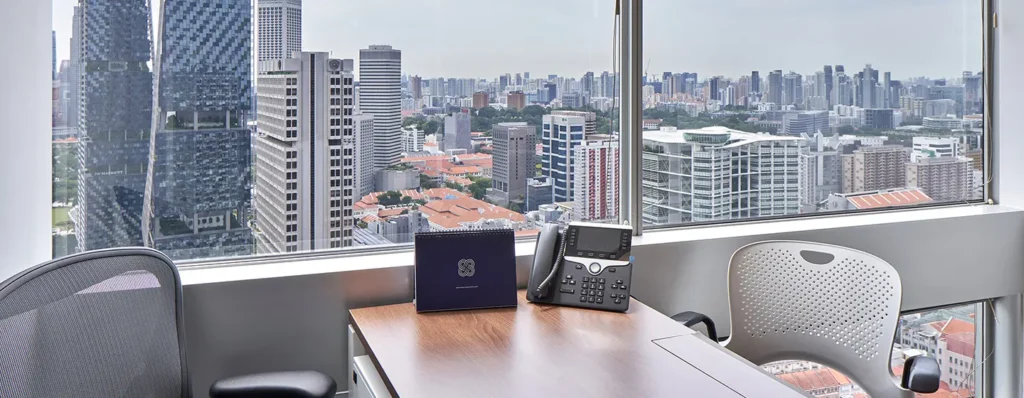
This property offers offices ranging from single suites to full floors, with all-in utility, cleaning, reception, meeting rooms, and high-end finishes. Tenants enjoy plug-and-play access.
Detail & relevance: Such a rental property appeals to firms wanting minimal setup friction. The owner manages operations, allowing tenants to focus on business. Because the rental property is “managed,” tenant acquisition includes service as a differentiator.
High-Rise Office Floor in Business District.
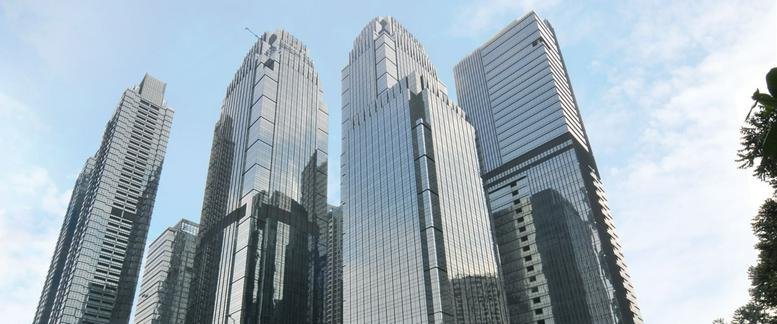
Here, the rental property is a floor within a high-rise. Tenants lease raw or partly-finished space and perform fit-out. The building offers premium amenities (gym, cafeteria, concierge).
Detail & relevance: For tenants with resources to customize, this model offers prestige and control. Rental property owners benefit from stable tenants and potential uplift from upgrades.
Co-Working / Flex Office Building
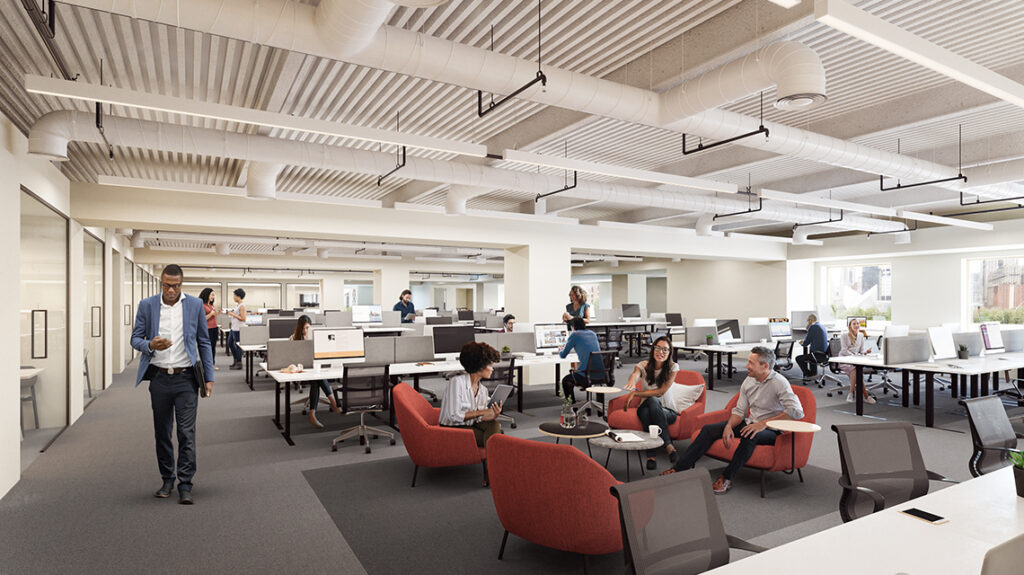
This property offers multiple small units, shared conference rooms, hot desks, kitchens, and branding options. Lease terms are flexible monthly or quarterly.
Detail & relevance: These rental properties are optimized for agile, small, or growing teams. Owners can maximize revenue per square foot via density and flexibility, while tenants reduce risk.
Benefits of Leasing an Office Rental Property
Predictable Operating Cost Structure
Many rental properties offer all-inclusive leases or transparent cost breakdowns. Tenants can budget reliably without surprise bills, making it easier to forecast occupancy costs.
Access to Prime Infrastructure & Amenities
Rental properties often include shared spaces (meeting rooms, kitchens), tech infrastructure, security, and maintenance features that tenants might struggle to build individually.
Flexibility & Scalability
Rental property models allow businesses to scale up, down, or relocate more easily compared to long-term ownership. For evolving companies, this flexibility is critical.
Reduced Upfront Capital Expenditure
Renting avoids large capital commitments for purchasing or renovating buildings. This allows businesses to allocate capital to core operations or growth.
Faster Move-In & Operational Readiness
Well-equipped rental properties reduce downtime. Many are ready or near-ready for occupancy, minimizing setup delays and accelerating productivity.
Alignment with ESG & Sustainable Goals
Modern rental properties increasingly integrate energy-efficient systems, smart controls, and sustainability features. Tenants benefit from reduced utility costs and alignment with corporate social responsibility goals.
How Technology Enhances Office Rental Property Value
Smart Building Systems & Automation
Sensors, automation, climate controls, adaptive lighting, and occupancy management reduce energy use, improve comfort, and elevate property desirability.
Virtual Tours & Remote Viewing
High-quality virtual tours, 3D walkthroughs, and augmented reality overlays allow tenants to explore a rental property remotely, reducing wasted site visits.
Data Analytics & Performance Monitoring
Property owners monitor usage statistics (occupancy, peak times, energy use). These insights help optimize leasing strategy, operational costs, and tenant fit.
Digital Leasing Platforms & e-Sign
Rental properties that integrate online inquiry, lease drafting, digital signing, and tenant portals enhance convenience and speed for both owners and tenants.
Location & Market Intelligence Tools
Embedding geolocation maps, demographic data, walkability scores, and transportation analytics in listing materials helps tenants evaluate the property in context, giving the rental property a competitive edge.
These tech layers contribute to leasing efficiency, tenant satisfaction, and long-term property competitiveness.
Use Cases: When Renting Office Rental Property Makes Sense
Startups / New Ventures
New businesses benefit from leasing rather than buying. A rental property gives a professional base with flexibility and limited risk.
Satellite Offices & Branch Locations
Firms may rent property offices in new markets to establish a presence before committing to ownership. This enables testing market viability.
Project or Time-Bound Teams
Short-term projects or seasonal campaigns often need dedicated offices for a limited duration. Rental property solves this while avoiding long-term commitment.
Downsizing or Portfolio Optimization
Companies reducing real-estate burden may shift from owning multiple offices to renting a consolidated property office to reduce overhead.
Hybrid Work Support
In hybrid work models, organizations maintain smaller core rental properties for collaboration space while remote staff operate from home. Rental properties support this transition.
These use cases illustrate how a rental property strategy helps companies manage risk, flexibility, and growth.
Steps & Best Practices for Securing an Office Rental Property
-
Define Requirements: Headcount, term, budget, and location priorities.
-
Shortlist Properties: Focus on infrastructure, access, amenities, and reputation.
-
Inspect Thoroughly: Evaluate HVAC, network readiness, finishes, and structural quality.
-
Review Lease Proposals Carefully: Compare rent, escalation, maintenance, and TI allowances.
-
Negotiate Terms and Inclusions: Seek favorable clauses, flexibility, and clarity.
-
Plan Fit-Out & Move Coordination: Integrate tech and interior layout ahead.
-
Monitor Usage & Adjust Strategy: Use analytics to optimize occupancy and renegotiate if needed.
Frequently Asked Questions (FAQ)
Q1: What is the difference between a “rental office property” and an “office lease”?
A rental office property is the actual real estate asset offered for lease. An office lease is the contractual agreement under which the tenant occupies the property. The property refers to the building or portion thereof; the lease is the terms of usage.
Q2: How long are typical office rental leases?
Lease terms vary, but common durations range from 3 to 10 years in traditional scenarios. Shorter-term and flexible leases (1–3 years) have become more popular, especially in modern or managed rental properties.
Q3: What additional costs should tenants expect beyond rent?
Tenants may be responsible for utilities, cleaning, common area maintenance, property taxes or insurance (depending on lease type), interior maintenance, and sometimes building services or upgrades. Always clarify in the lease.