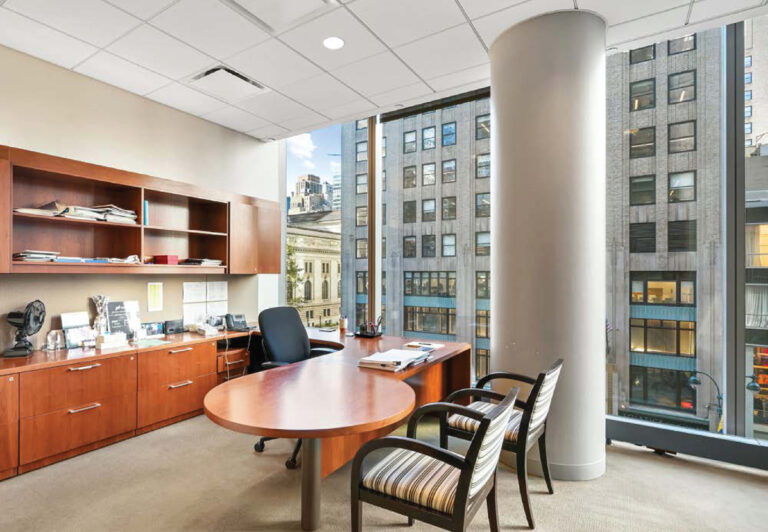
Office Space Listings The Ultimate Guide to Finding Workspaces
Office space listings refer to online or printed property advertisements that describe commercial spaces available for lease or rent for business use. These listings typically include details such as size, location, rent, amenities, and lease terms.
In the modern real estate ecosystem, office listings are crucial because they connect landlords, brokers, and businesses seeking space. Whether a company needs 300 sq ft for a startup or 30,000 sq ft for a corporate headquarters, listings are the gateway to available options.
Well-structured listings save time for both landlords and tenants. They help filter options quickly by budget, purpose, and quality. Today, with online platforms dominating commercial property discovery, the quality of a listing can determine whether a property gets noticed or ignored.
Why Office Space Listings Matter More Than Ever
The office landscape has shifted dramatically. Hybrid work, co-working, and flexible leases have diversified tenant demand. Traditional long-term leases still exist, but many businesses now seek agile options.
Office listings play a vital role in reflecting this evolution; they showcase not only location and price but also adaptability, technology integration, sustainability, and lifestyle value.
A listing that highlights energy efficiency, wellness amenities, or hybrid work readiness often attracts modern tenants more effectively than one that lists square footage alone.
Essential Elements of an Effective Office Space Listing
Detailed Property Information
Every high-quality listing should include:
-
Full address and neighborhood context
-
Floor size, total building area, and configuration
-
Building class (A, B, or C)
-
Condition (fitted, unfitted, newly renovated)
-
Availability date
-
Lease type (gross, net, or flexible)
-
Utilities and maintenance inclusions
The more specific the information, the more confidence it gives potential tenants. Transparency builds trust and helps avoid wasted inquiries.
Compelling Visual Content

High-resolution photos are vital. Include images showing both exterior and interior spaces, common areas, and key amenities. A virtual tour or 3D walkthrough can elevate a listing further, allowing prospects to visualize themselves in the space.
A study of user behavior on commercial listing sites shows that properties with 10+ professional photos receive up to 65% more inquiries than those with fewer or poor-quality images.
Highlighting Location Advantages
Emphasize what’s nearby: transit access, parking, restaurants, banks, gyms, and other conveniences. Many businesses prioritize accessibility and employee experience over cost alone.
A listing that states, “Three-minute walk from central train station, surrounded by cafés and retail” attracts more attention than one that only lists an address.
Rent and Lease Terms
Transparency around pricing is essential. Include base rent, additional costs, and lease flexibility (short-term or long-term). Avoid vague phrases like “affordable” or “negotiable” unless paired with context.
Detailed lease information signals professionalism and makes serious tenants more likely to inquire.
Example Types of Office Space Listings
Below are several real-world style examples of listings to illustrate diversity and relevance.
Private Office Suite in Downtown Tower

A fully furnished 1,500 sq ft private suite on the 10th floor of a modern glass building. The listing includes conference rooms, high-speed internet, 24-hour access, and shared reception.
Why it works: The ad clearly targets professional tenants who want a premium address without full floor leasing. Amenities and visuals showcase value instantly.
Flexible Workspace in Business Park

An 800 sq ft flexible office within a suburban business park. The listing emphasizes cost efficiency, free parking, fiber-optic internet, and month-to-month contracts.
Why it works: Appeals to SMEs and tech startups prioritizing budget and flexibility. Highlighting short-term leasing and connectivity taps into hybrid work demand.
Historic Loft Conversion

A refurbished brick-and-beam loft property with exposed ceilings and a pen-plan layout, ideal for creative agencies.
Why it works: Unique aesthetics help the listing stand out. Visuals focus on natural light and architectural features, appealing to firms seeking character and brand alignment.
Co-Working Space Listing
A modern co-working facility featuring dedicated desks, private offices, event spaces, and networking amenities. The listing highlights memberships, community perks, and flexible rates.
Why it works: It targets freelancers, remote workers, and small teams looking for plug-and-play convenience and a collaborative environment.
Each example illustrates how a listing’s tone and content change based on the audience, from corporate to creative to flexible work seekers.
The Role of Technology in Enhancing Office Space Listings
Virtual Tours and 3D Visualization
Modern office listings increasingly include virtual tours and 3D walkthroughs, giving prospects a full spatial experience online. This helps eliminate irrelevant viewings and saves time for both parties.
These immersive tools are especially valuable for remote or international tenants evaluating properties before physical visits. Virtual tours can reduce vacancy times by providing instant engagement.
Smart Building Data Integration
Insert image of the product: Smart office dashboard interface.
Listings that highlight smart systems, energy-efficient lighting, IoT sensors, and keyless entry appeal to forward-thinking tenants. Integrating these data points into listings demonstrates a property’s technological edge and sustainability.
Real-Time Availability and Analytics
Technology platforms now allow real-time updates of available suites, lease expirations, and pricing. This dynamic data prevents wasted inquiries for unavailable spaces.
Analytics also reveal which listings attract the most attention, enabling landlords to adjust visuals, wording, or price strategy to improve conversion.
Mobile Optimization & Voice Search
With the rise of mobile searches and voice assistants, listings need concise, keyword-optimized titles and metadata. “Office space listings near me” and “flexible offices downtown” are common voice-search queries that should be reflected in metadata and headings.
Integration with Digital Leasing Platforms
Online leasing portals allow prospects to submit inquiries, schedule tours, or even sign digital leases. Listings that connect seamlessly to these tools can convert faster and appear more professional.
Benefits of High-Quality Office Space Listings
For Tenants
-
Efficiency: Helps narrow down options quickly based on features, location, and price.
-
Transparency: Reduces confusion by providing full lease and amenity details.
-
Comparison: Allows easy side-by-side evaluation of multiple properties.
For Landlords and Brokers
-
Faster Occupancy: Good listings attract inquiries faster, reducing vacancy time.
-
Better Tenants: Clear, informative ads attract serious and qualified leads.
-
Brand Reputation: Professional listings reflect positively on the landlord or agency’s credibility.
For the Market Overall
High-quality listings make the commercial property ecosystem more efficient. They promote trust and fluidity between landlords, tenants, and agents, vital for long-term market health.
Common Mistakes to Avoid in Office Space Listings
Incomplete or Misleading Information
Listings missing key data like rent or size cause frustration and lower engagement. Transparency always wins over ambiguity.
Poor Visual Presentation
Dark, blurry, or outdated photos discourage interest. Invest in professional photography or updated visuals to ensure the property’s true appeal is conveyed.
Overuse of Jargon
Avoid overly technical terms (“CAT6 wired open plan with BREEAM Very Good”) without context. Keep it informative yet accessible.
Ignoring Updates
Outdated listings waste inquiries and damage reputation. Refresh listings monthly with current photos, availability, or pricing updates.
Lack of Differentiation
Generic listings (“great location, modern space”) blend into search results. Highlight unique selling points, design, amenities, sustainability, and views to stand out.
Real-World Use Cases for Office Space Listings
Startups Searching for First Workspace
Startups often need affordable, short-term spaces with low overhead. Listings showcasing flexibility, including amenities, and fast internet appeal most to them.
Growing Businesses Relocating
As companies expand, they use listings to compare available spaces across districts, factoring in employee access, client proximity, and scalability.
Corporations Seeking Satellite Offices
Large enterprises may use listings to establish small satellite offices in new cities for teams or client-facing functions.
Subleasing and Lease Transfers
Companies downsizing their footprint can list surplus office portions for sublease. These listings attract smaller tenants looking for ready-to-use, furnished options.
Hybrid Work Implementation
Businesses adopting hybrid models use listings to lease collaborative hubs, smaller offices designed for meetings and teamwork, rather than daily desk use.
These scenarios highlight how listings serve as decision-making tools across company sizes and life cycles.
The Future of Office Space Listings
As artificial intelligence and data integration expand, listings will evolve from static ads into intelligent interfaces that recommend properties based on user profiles, preferences, and location behavior.
Augmented reality will enable users to “walk through” spaces remotely and test different layouts virtually. In parallel, blockchain and digital identity tools will ensure listing authenticity and secure lease execution.
The best listings will soon function as dynamic marketing engines, not just property advertisements, combining analytics, automation, and personalization.
Frequently Asked Questions (FAQ)
Q1: How do I know if an office space listing is legitimate?
Check that the listing includes verifiable contact information, full address, and clear photos. Verify ownership or representation through property records or official broker registration before proceeding.
Q2: What details should every office space listing include?
At minimum: address, square footage, rent, lease term, amenities, availability date, contact details, and high-quality visuals. Listings with complete data generate more serious leads.
Q3: How often should landlords update office space listings?
Ideall,, every 30 to 45 days. Refreshing with updated photos or new promotions keeps listings ranked higher on search platforms and signals active management.
Conclusion
Office space listings are no longer simply classified, as they’re the backbone of commercial leasing discovery. Effective listings merge accurate data, rich visuals, transparency, and technology integration to attract the right tenants faster.
Whether you’re a small business hunting for your first office, a landlord marketing space, or a broker optimizing portfolio exposure, crafting powerful listings is key to standing out in a crowded digital market.