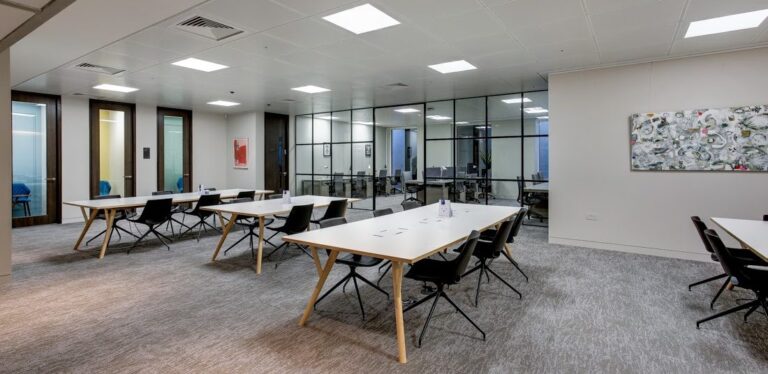
Green Park Office Space Creating Sustainable, High-Performance Workplaces
A green park office space is more than just a workplace surrounded by trees; it’s a holistic design philosophy that integrates sustainability, smart technology, and human well-being into a single environment. These spaces are typically located in landscaped business parks or mixed-use developments designed to balance productivity with nature.
Instead of concrete jungles, a green park office emphasizes open spaces, natural ventilation, biophilic design, and energy-efficient systems. The result is a work environment that supports both mental clarity and operational efficiency.
Why Modern Businesses Are Choosing It
Organizations across industries, from tech firms to financial institutions, are shifting toward green park offices for several compelling reasons:
-
Healthier environments: Employees working near greenery and natural light experience lower stress and higher focus.
-
Sustainability goals: Eco-friendly offices help companies meet their carbon reduction and ESG commitments.
-
Operational efficiency: Smart systems reduce power consumption and maintenance costs.
-
Employer branding: Green campuses symbolize innovation and responsibility, attracting top talent and investors.
In short, a green park office is not just an architectural style; it’s a forward-thinking investment in people, productivity, and the planet.
Core Components and Design Elements
Landscape and Biophilic Design
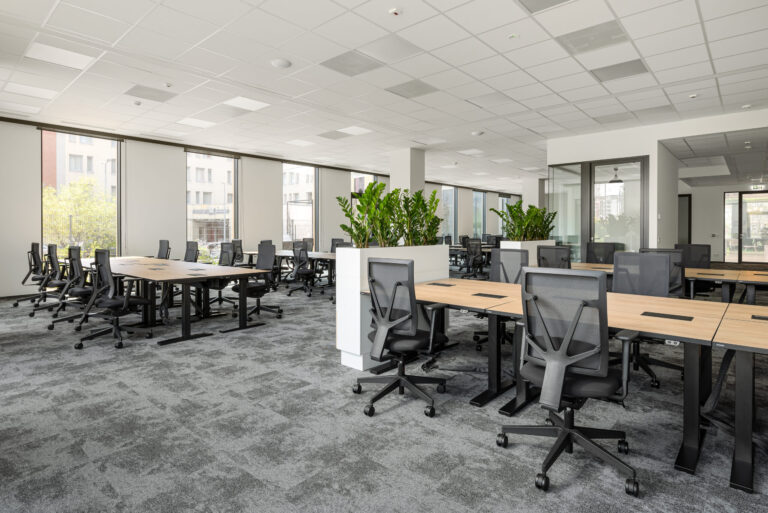
The foundation of any green park office is its connection to nature. This includes lush landscaping, shaded walkways, indoor plant walls, natural light corridors, and outdoor gathering zones.
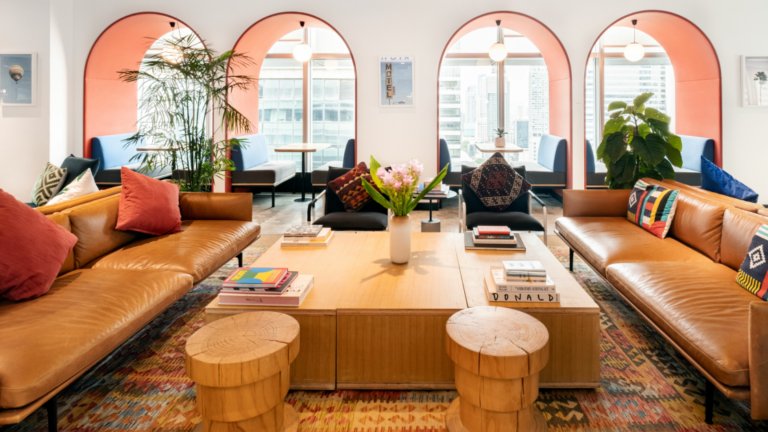
Biophilic design, the practice of bringing natural elements into built environments, plays a central role. Offices designed with greenery, water features, and wooden materials have been proven to reduce fatigue and boost creativity. Employees often report higher satisfaction and engagement when surrounded by living elements rather than sterile, artificial interiors.
Energy Efficiency and Passive Systems
Sustainability in a green park office begins with smart architecture. Buildings are strategically oriented to maximize natural light and minimize heat gain. They use high-performance glass, insulated facades, and automated shading systems to regulate indoor temperatures.
Ventilation systems harness fresh air instead of overreliance on air conditioning, while smart lighting adjusts to daylight availability. Together, these features significantly lower energy costs and carbon emissions without sacrificing comfort.
Smart Technology and IoT Integration
Today’s green park offices are intelligent ecosystems. With Internet of Things (IoT) integration, every building component, from lighting to HVACAC, A C can communicate in real-time.
-
Smart sensors monitor occupancy, temperature, humidity, and air quality.
-
Automated systems adjust lighting and climate for maximum efficiency.
-
Predictive maintenance alerts facilities teams before issues arise.
-
Building management systems (BMS) centralize all data, allowing fine-tuned control and performance tracking.
This fusion of technology and environmental design creates a self-regulating workplace that saves energy while enhancing comfort.
Amenities and Outdoor Connectivity
Unlike traditional office towers, green park campuses prioritize the human experience. They often include jogging tracks, bicycle lanes, fitness zones, outdoor seating, and scenic lakes or gardens.
These spaces promote informal collaboration, physical activity, and emotional well-being. Employees can brainstorm while walking outdoors or enjoy coffee breaks surrounded by nature, all of which contribute to better morale and productivity.
Real-World Examples of Green Park Office Spaces
Green Park Business Park – Reading, UK
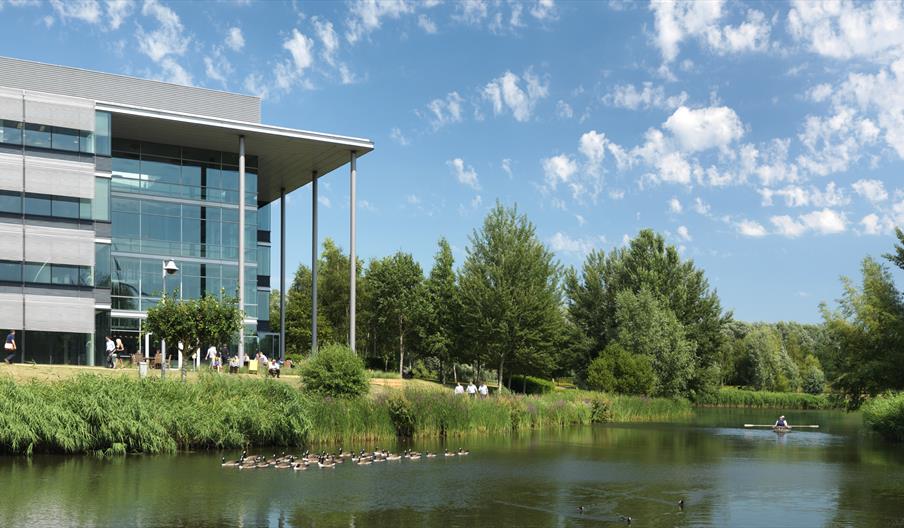
One of the most recognizable examples is Green Park in Reading. Spanning nearly 200 acres, it includes multiple office buildings surrounded by lakes, landscaped gardens, and walking paths. Each building features advanced energy systems, large windows for natural lighting, and modern sustainability certifications.
The park successfully blends commercial functionality with ecological responsibility. It shows how large-scale business developments can operate harmoniously with nature while delivering premium office space for global corporations.
Green Park Offices – Central London
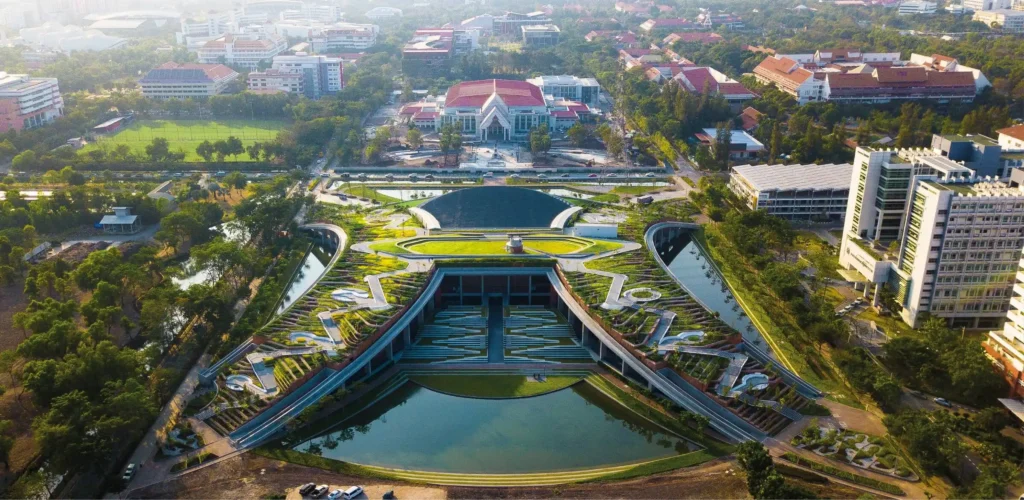
Even in dense urban areas, the green park concept thrives. In central London, several redeveloped heritage buildings near Green Park have been transformed into modern office spaces emphasizing sustainability.
They combine open floor plans, energy-efficient retrofits, and rooftop terraces with panoramic park views. This approach demonstrates that you don’t need vast land to implement green design; even a city center building can become an oasis of calm and environmental mindfulness.
Cambridge Discovery Park – Massachusetts, USA
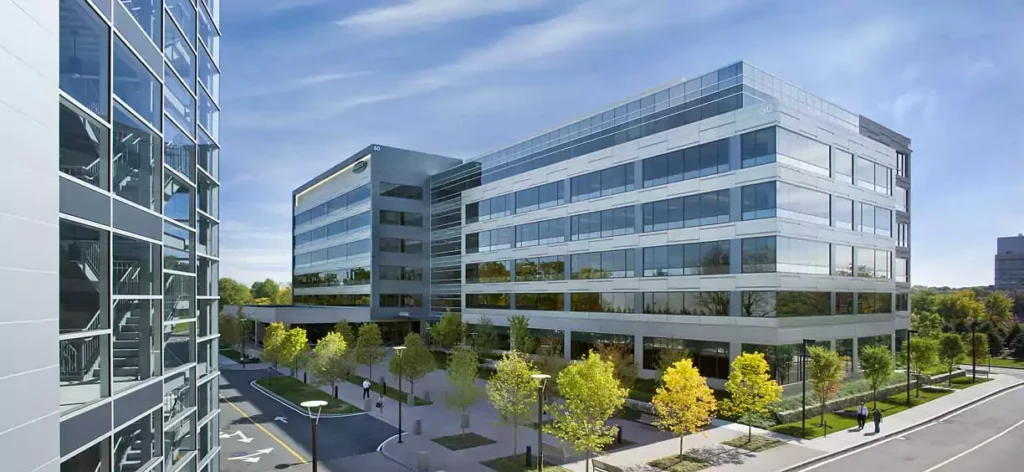
Cambridge Discovery Park in Massachusetts integrates research laboratories and corporate offices within a green, eco-conscious campus. Walking paths connect buildings through wooded areas, while solar panels and rainwater harvesting systems minimize the site’s environmental impact.
This project proves that the green park office concept isn’t limited to traditional offices. It’s equally applicable to research centers, mixed-use developments, and technology campuses where innovation and sustainability must coexist.
Benefits and Advantages of Green Park Office Space
Enhanced Employee Health and Productivity
Exposure to natural light, vegetation, and fresh air directly impacts cognitive performance. Employees working in green environments demonstrate higher creativity, better problem-solving skills, and improved emotional well-being.
Green offices also reduce absenteeism by improving indoor air quality and providing access to natural surroundings. A healthy workspace equals a more motivated and focused workforce, a clear advantage in competitive industries.
Reduced Operating Costs and Long-Term Efficiency
Green park offices typically consume 20–30% less energy than conventional office buildings. This is achieved through smart systems, passive design, and renewable energy integration.
By minimizing artificial lighting, optimizing HVAC use, and recycling water, operational costs drop significantly. Maintenance expenses are also lower thanks to predictive technologies and durable, eco-friendly materials.
Stronger Brand Identity and Tenant Appeal
Occupying a green park office instantly positions a company as forward-thinking and socially responsible. For developers, such properties command higher rental values and enjoy lower vacancy rates.
Clients and partners associate sustainable offices with reliability and ethical leadership values increasingly important in modern business ecosystems.
Improved Collaboration and Workplace Culture
Outdoor plazas, shaded walkways, and shared green areas foster spontaneous collaboration. Instead of static meeting rooms, employees engage in “walking meetings” or casual discussions outdoors.
This organic interaction boosts creativity and strengthens company culture. When people enjoy where they work, innovation becomes natural rather than forced.
Use Cases: Real-Life Scenarios and Problems Solved
Combating Office Fatigue and Burnout
Traditional closed offices with fluorescent lights and recycled air can lead to mental exhaustion. Parkn park offices counter this by immersing employees in nature, allowing them to refresh mentally without leaving the campus. A short walk among trees or a few minutes by a pond can reset focus and energy levels.
Supporting Hybrid Work Models
In the post-pandemic era, offices must be places people want to go, not have to. Green park workspaces offer this motivation naturally. They’re comfortable, aesthetically pleasing, and conducive to both individual focus and collaborative teamwork.
Employees coming in a few times a week find it easier to reconnect with their teams in such welcoming environments.
Corporate Growth and Scalable Campuses
As businesses expand, they need scalable environments. Green park offices often follow modular master plans — new buildings can be added without disrupting existing ecosystems. This flexibility allows organizations to grow sustainably and maintain design coherence.
Revitalizing Urban or Brownfield Areas
Green park developments are ideal for transforming underutilized industrial zones. By converting barren land into eco-friendly office campuses, developers breathe new life into communities and contribute to urban regeneration.
Meeting ESG and Net-Zero Goals
Many corporations have set ambitious sustainability targets. Relocating to or developing green park offices directly supports these objectives by cutting emissions, conserving energy, and promoting responsible water management.
The Role of Technology in Green Park Offices
IoT and Smart Sensors
Thousands of interconnected sensors measure everything from lighting levels to air purity. These systems optimize building operations automatically, dimming lights when sunlight is abundant or adjusting ventilation when occupancy changes.
This level of automation not only saves energy but also ensures optimal comfort for everyone inside.
Predictive Maintenance and AI Analytics
Through continuous monitoring, artificial intelligence can detect inefficiencies or predict potential failures before they happen. This prevents costly repairs, reduces downtime, and extends the lifespan of building systems.
Renewable Energy and Energy Storage
Many green park offices now integrate rooftop solar panels, battery storage, and geothermal systems. The buildings can store excess energy for nighttime use, reducing reliance on the grid and stabilizing operational costs.
Water Management and Waste Reduction
Rainwater harvesting systems, greywater recycling, and smart irrigation maintain green landscapes without wasting resources. Waste segregation and composting programs convert organic waste into fertilizer for onsite gardens, completing the sustainability cycle.
Together, these technologies turn green park offices into intelligent, adaptive ecosystems that continuously improve their own performance.
Implementation Best Practices
-
Start sustainability at the masterplan stage.
Integrating environmental goals from the beginning, orientation, shading, and landscape design all matter. -
Follow established certification frameworks.
Use standards like LEED, BREEAM, or WELL to ensure measurable environmental and health performance. -
Engage occupants in the green mission.
Encourage employees to participate in eco-initiatives such as recycling drives or energy-saving challenges. -
Use data-driven insights.
Regularly monitor key performance indicators (energy, air quality, water use) to maintain continuous improvement. -
Prioritize local, natural materials.
Sourcing regionally reduces emissions and supports the local economy. -
Design for flexibility and future upgrades.
Leave room for technological advancements and evolving sustainability requirements.
Frequently Asked Questions (FAQ)
Q1: Is a Green Park Office Space only for large corporations?
Not at all. Small and medium businesses can also apply these principles by incorporating greenery, natural ventilation, and energy-efficient systems, even in compact offices.
Q2: Does it really save money in the long run?
Yes. Although initial construction may be higher, operational savings from energy efficiency, water reuse, and smart systems make it cost-effective over time.
Q3: Is maintenance more complicated than in a normal office?
Maintenance requires a more coordinated approach; landscaping, sensors, and systems must be monitored regularly. However, modern automation tools simplify management and reduce human error.
Conclusion
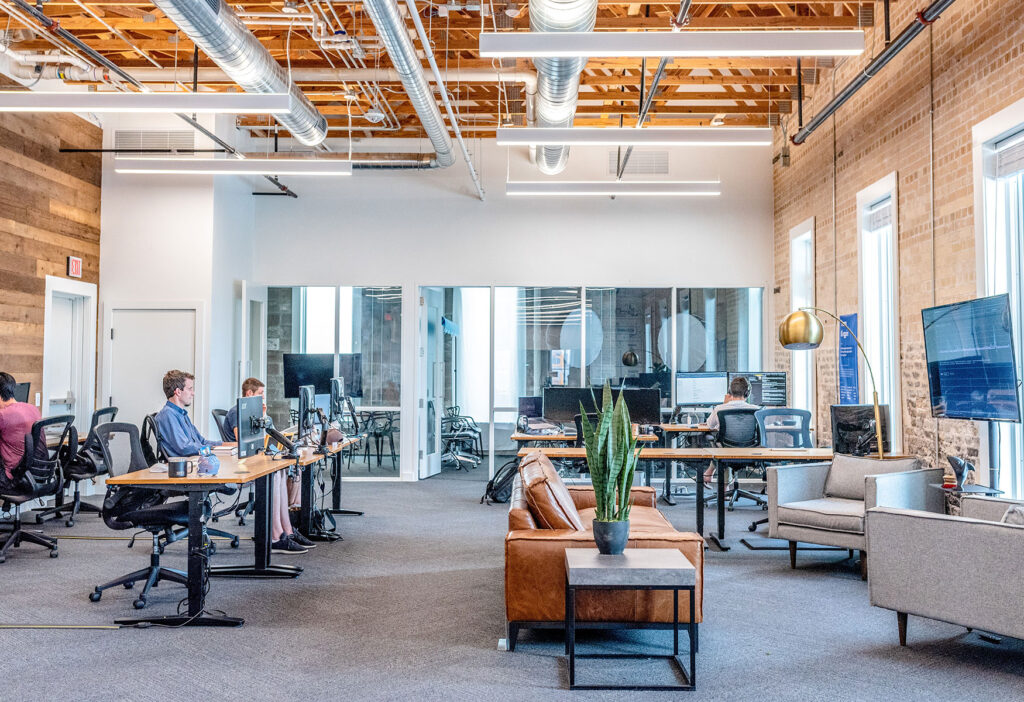
The concept of green park office space is transforming how the world thinks about work environments. It unites sustainability, technology, and human-centered design to create places where people and nature can coexist productively.
Beyond aesthetics, these offices drive measurable benefits from reduced energy consumption to improved employee well-being. As cities grow and environmental awareness deepens, green park offices represent the future of responsible, adaptive workplaces.
They are not just spaces to work, they are ecosystems designed to inspire, innovate, and sustain both people and the planet.