Understanding the Role of a Retail Real Estate Broker
A retail real estate broker is a licensed professional specializing in brokerage related to retail properties: storefronts, shopping strips, malls, mixed-use retail, and retail pads. This role is distinct from residential brokerage because retail real estate transactions involve consumer flow, tenant mix dynamics, percentage rent leases, co-tenancy clauses, and other specialty elements.
Retail brokers serve as strategic intermediaries between property owners (landlords, developers, investors) and retail tenants (brands, shops, restaurants). Their purpose is to optimize the alignment of retail property supply and demand, balancing risk, profitability, and long-term viability.
In this article, you will find:
-
A thorough explanation of broker responsibilities in the retail real estate niche
-
How modern technology reshapes retail brokerage
-
Concrete, real-world examples/uses
-
Practical benefits of technology adoption
-
Problems solved and real use cases showing where retail brokers add value
-
FAQs that clarify common questions
Core Functions & Responsibilities
One central responsibility of a retail real estate broker is site and trade area analysis. They evaluate potential locations not only by raw metrics like square footage and rent levels, but also by traffic counts, demographic profiles, catchment areas, consumer behavior, and competitive surroundings. A retail broker often overlays data maps of pedestrian flow, drive-time isochrones, customer origin (zip codes), and neighboring tenant synergies.
Another crucial role is lease negotiation and structuring. Unlike simple fixed-rate leases, retail leases often carry multiple layers: base rent, percentage rent (a share of sales), operating expense pass-throughs, CAM (common area maintenance) charges, co-tenant clauses (if anchor tenants leave, smaller tenants may have break rights), exclusivity rights, and tenant improvement (TI) allowances. The broker must negotiate terms that protect both landlord and tenant, ensuring sustainable returns and manageable risk.
Marketing and tenant sourcing are another pillar. Retail brokers leverage networks of national retail chains, franchise groups, local brands, and retail trade publications to identify qualified prospects. They prepare offering memoranda, pro formas, lease abstracts, and marketing materials targeted to retail decision-makers. They also guide landlord clients on repositioning, merchandising strategies, and retenanting of underperforming spaces.
A broker often supports renewals, relocations, and expansions for existing tenants. Retail tenants may seek to expand, downsize, or relocate within a center. The broker advises on whether to renew, renegotiate, or reposition the location, and negotiates favorable terms. In some markets, brokers also help landlords manage tenant turnovers, re-tenanting, and repositioning retail portfolios.
Finally, they handle due diligence, financial modeling, lease compliance oversight, and risk assessments. They must analyze projected rent streams, vacancy assumptions, and expense burdensand perform scenario sensitivity analyses. They also often coordinate with legal, construction, and architecture teams during build-out and delivery phases.
Because retail real estate is heavily driven by consumer behavior, brokers in this niche must maintain sharp awareness of retail trends, consumer preferences, omnichannel strategies, experiential retail, pop-ups, and evolving tenant formats. They must advise clients not just on leases, but on strategic positioning of centers in the evolving retail landscape.
Technology’s Impact on Retail Real Estate Brokerage
Technology has become indispensable in modern brokerage, especially for retail properties. Below, we explore major technological tools and their transformative effects.
Location Intelligence & Geospatial Analytics
One of the key technology enhancements is geospatial analytics. Brokers now use geographic information systems (GIS), heat maps of foot traffic, mobile device movement data, and catchment modeling to make sharper site decisions. These tools allow brokers to simulate customer origin flows, anticipate sales performance, and compare competing sites with richer data. As such, brokers can defend site recommendations with empirical movement behavior, not just census data.
These tools also enable what-if scenario comparisons: e.g., i a competitor brand opens nearby, or if a transit hub relocates, what is the projected impact on foot traffic? By stress-testing scenarios, brokers help clients make more robust decisions under uncertainty.
Predictive Analytics & Machine Learning
Advanced brokerages increasingly incorporate AI and predictive analytics. Models ingest historical rent data, vacancy rates, retail sales performance, macroeconomic indicators, and consumer trend shifts to forecast rent growth, vacancy probabilities, and tenant default risk. Some platforms derive “a retail potential score” for specific sites or shopping corridors. This predictive lens reduces guesswork and elevates advice from reactive to anticipatory.
Further, AI can assist in tenant scoring: comparing prospective tenants on metrics like historical performance, credit health, market brand strength, and projected growth. This helps brokers and landlords filter higher probability candidates and avoid risky applicants.
Virtual & Augmented Reality Tools
Virtual reality (VR) and augmented reality (AR) enable immersive leasing experiences. Prospective tenants can visualize build-outs, traffic flow, merchandising layouts, visual branding, and spatial utilization—all before committing. This accelerates decision cycles and reduces the need for multiple physical visits. Brokers can present multiple design scenarios, show lighting and signage effects, and adjust layouts in real time during meetings.
For landlords, AR tools can overlay occupancy plans, tenant segmentation maps, and data overlays onto existing floor plans to help reposition centers or plan expansions.
Automated Document Systems & Contract Intelligence
Lease negotiation and compliance are document-intensive. Modern tools use document automation, smart clause libraries, and AI review to highlight anomalous terms, hidden liabilities, or missing provisions. Brokers can accelerate drafting, review, and negotiation steps. Version control and redlining tools reduce errors and streamline communication among legal, architecture, and leasing teams.
Additionally, CRMs customized for commercial brokerage track lease renewals, expansion triggers, rollover dates, tenant contacts, and deal pipelines. Automated reminders prevent oversight on critical lease expirations or renegotiations.
Interactive Marketing & Lead Platforms
Retail brokers leverage digital marketing platforms, interactive property microsites, chatbots, and virtual property tours to engage prospective tenants. These tools pre-qualify tenant interest, answer common questions, schedule site visits, and capture lead intelligence. Brokers can track which pages prospects visited, which units they examined, and follow up more intelligently.
In sum, technology allows retail real estate brokers to scale deal flow, improve accuracy, provide differentiated advisory, and compress the time from lead to lease.
Benefits of Using Technology in Retail Brokerage
Below are the practical advantages and benefits that brokers and their clients achieve through adopting technology:
Enhanced Decision Precision
Rather than relying solely on historical comps and demographic surveys, brokers leverage real-time movement data, predictive forecasts, and scenario analysis. Decisions like site selection, rent bands, or tenant mix choices are more grounded, reducing costly mistakes.
Faster Deal Cycles
Virtual tours, AI-driven tenant scoring, automated document workflows, and instant lead engagement cut down the time from initial prospect to lease signing. Tenants commit faster, negotiations shorten, and brokers can handle more simultaneous listings.
Reduced Risk & Increased Transparency
AI document review identifies hidden exposures, predictive models flag default risk, and scenario stress tests reveal downside vulnerabilities. Landlords and brokers jointly make better-informed decisions with risk-aware structures.
Scalability & Capacity
Technology allows brokers to manage greater deal volume, multiple markets, and more listings without linear increases in staff. CRMs, predictive dashboards, and automation reduce administrative burden.
Better Client Perception & Differentiation
Brokers who use advanced tools are viewed as strategic advisors rather than order takers. Clients trust data-backed insights, and brokers differentiate themselves in competitive pitch processes.
Adaptability & Future Readiness
Retail trends shift quickly (omnichannel, experiential retail, pop-ups, micro-fulfillment, etc.). Brokers with technology tools can adapt faster, pivot strategies, and respond proactively to market changes.
Real-World Use Cases & Examples
Below are three illustrative examples of how retail real estate brokers (or brokerage firms) apply techniques or strategies in real-life settings.
Example 1: Portfolio Repositioning via Trade Area Analytics
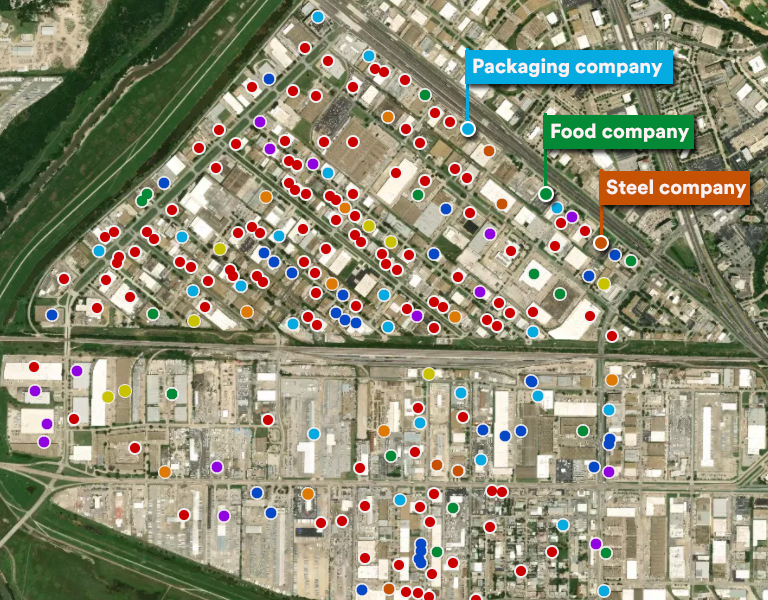
A large retail investment firm owns multiple shopping centers across mid-sized cities. The broker was engaged to reposition weak centers with high vacancy. The broker used movement data to map consumer origin, dwell time, and repeat visitation patterns. They identified underperforming zones, cut poor segments, and curated a new tenant mix emphasizing experiential food & beverage, fitness, and local boutique anchors. With these changes, occupancy rose, dwell time improved, and average sales per square foot increased by 20%. The broker guided the phased repositioning over two years.
This use case demonstrates how brokers can transform a stagnant retail portfolio through data-driven repositioning and tenant mix optimization.
Example 2: Tenant Scoring & Risk Filtering
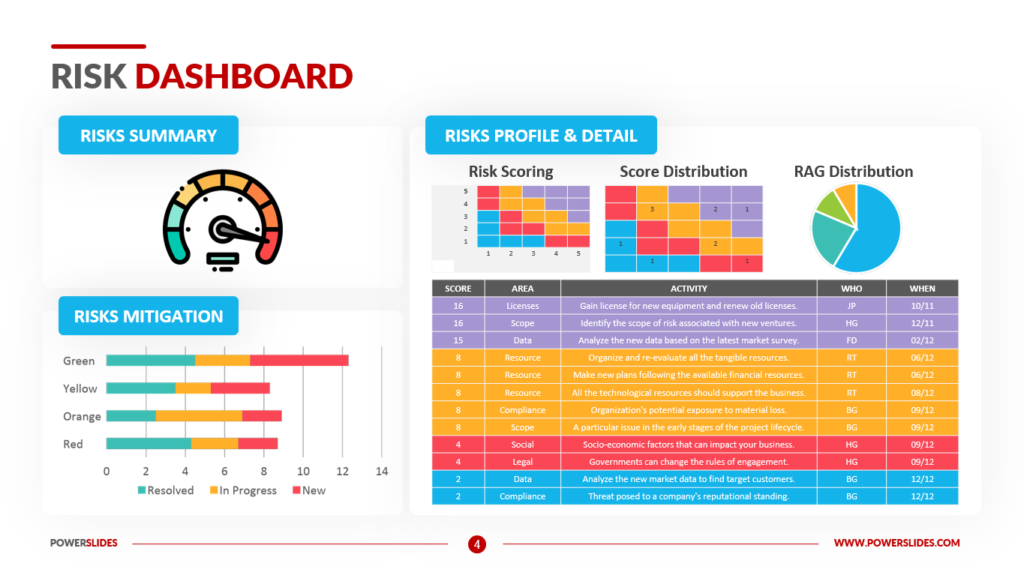
A retail brokerage adopted a tenant scoring model to evaluate prospective tenants. The system analyzed financial history, brand presence, credit ratings, and market viability. One proposal came from a promising national brand, but the score flagged an elevated risk. On deeper review, the brand had volatile sales in recent cycles. The broker declined to push it to the landlord and instead proposed more stable, lower-risk tenants. This prevented potential lease default and vacancy loss. Over time, the weighted tenant quality increased, and default losses decreased materially.
This example shows how retail brokers can act as risk managers, not just matchmakers, enhancing long-term rental stability.
Example 3: Virtual Build-Out & Leasing Acceleration

A retail landlord had shell spaces in a new mixed-use retail block. The broker provided prospective tenants with interactive VR-enabled floor plans, allowing them to customize finishes, envision zoning flows, and simulate customer sightlines. Several tenants committed to rates and signed lease letters after exploring virtual layouts, even before physical site visits. The landlord and broker used these models to negotiate TI allowances. This approach greatly accelerated leasing velocity, reduced time-to-occupancy, and reduced marketing overhead.
This demonstrates how immersive design tools reduce uncertainty, increase confidence, and speed lease decisions.
Problems Solved & Use Cases
Below are several concrete challenges retail property owners or tenants often face, and how skilled retail real estate brokers solve them with insight, strategy, and execution.
Problem: Retail Center with Declining Foot Traffic & High Vacancy
Solution & Why Useful
A suburban strip mall lost anchor tenants, and foot traffic dropped. The broker conducted a deep trade area revisit, screened shifting demographics, and recommended a repositioning toward experiential tenants (e.g., boutique fitness, specialty dining). The broker identified potential brands, negotiated flexible lease terms, and implemented phased tenant rollouts. Over a two-year horizon, the center’s foot traffic rebounded and vacancy fell below 10%. Retail brokers bring the vision, alignment of tenant mix, and execution to reverse declining dynamics.
Problem: National Retail Chain Entering a New Region
Solution & Why Useful
A national brand sought expansion in a new country where it had no local presence. The retail real estate broker acted as regional agent: mapping competitive corridors, interpreting consumer behavior patterns, evaluating site alternatives, negotiating local lease standards, and coordinating approvals. The broker helped avoid bad sites, guided term negotiation (floor premiums, rent escalations, expense caps), and managed build-out oversight. The result was a smoother market entry with lower risk and better store performance.
Problem: Key Tenant Renewal Risk & Churn
Solution & Why Useful
A key anchor tenant threatened to exit unless terms improved. The broker quickly ran market alternatives, proposed relocation within the center, or offered renegotiated incentives (step rent, tenant improvement support). The broker balanced landlord ROI and tenant retention risk, avoiding vacancy and preserving traffic. This prevented a domino effect of other tenants exiting.
Problem: Fast Multi-Market Retail Rollouts
Solution & Why Useful
A retailer planned to open 30 new stores across multiple cities in 24 months. The broker used unified CRM dashboards, virtual site tours, predictive models, and automated lease processes across markets. They coordinated site identification, negotiation, document workflows, and delivery remotely. This allowed accelerated rollout without sacrificing brand standards or overextending staff.
Problem: Investor Exiting an Underperforming Retail Asset

Solution & Why Useful
An investor wanted to divest a troubled retail property. The broker prepared a repositioned offering: cleaned up leases, stabilized tenants, repositioned signage, and refreshed merchandising. The broker packaged the property with improved pro formas and marketed it to appropriate investors. The resulting sale fetched a higher cap rate than initially forecasted. Brokers not only help in lease/tenant operations but also in packaging for exit.
Strategic Tips & Best Practices
-
Develop local “on-the-ground” intelligence: walk corridors, interview tenants, track new openings
-
Pair advanced analytics with human judgment data is guidance, not gospel
-
Build deep networks in national chains, franchise groups, and local brands
-
Negotiate protective lease clauses (co-tenant escape, exclusivity, expense caps)
-
Monitor tenant performance, not just leases; intervene if metrics drift
-
Stay ahead of retail trends (omnichannel, experiential, pop-up formats, micro-fulfillment)
-
Use a tech tool, but maintain personal relationships. Retail decisions are relational
-
Diversify tenant types to reduce concentration risk
Frequently Asked Questions
Q1: What’s the difference between a retail real estate broker and a commercial real estate broker?
A retail real estate broker specializes in retail property types, storefronts, mall spaces, shop and ping centers, and understands retail-specific dynamics (foot traffic, tenant mix, co-tenancy, percentage rent). A general commercial broker may handle offices, industrial, or mixed-use, but may lack nuance in retail leasing structures or consumer behavior analytics.
Q2: How do retail real estate brokers get paid?
Typically, brokers earn commission or brokerage fees based on a percentage of lease value or sales value. In leasing, commissions may be a percentage of the total lease contract value. Sometimes landlords pay the fee; in other markets, it is shared or negotiated. The exact structure depends on the market, property type, lease term, and local norms.
Q3: Can one broker represent both landlord and tenant in a retail deal? Is that ethical?
Yes, in some jurisdictions, one broker may act as a dual agent, representing both landlord and tenant, but that situation is sensitive. Potential conflicts of interest must be disclosed, and the broker must remain impartial. In many deals, separate representation is preferred to ensure fiduciary loyalty. Dual agency is legal only where permitted by law and typically only with explicit client consent.