Faropoint Real Estate Data-Driven Innovation in Industrial Investment
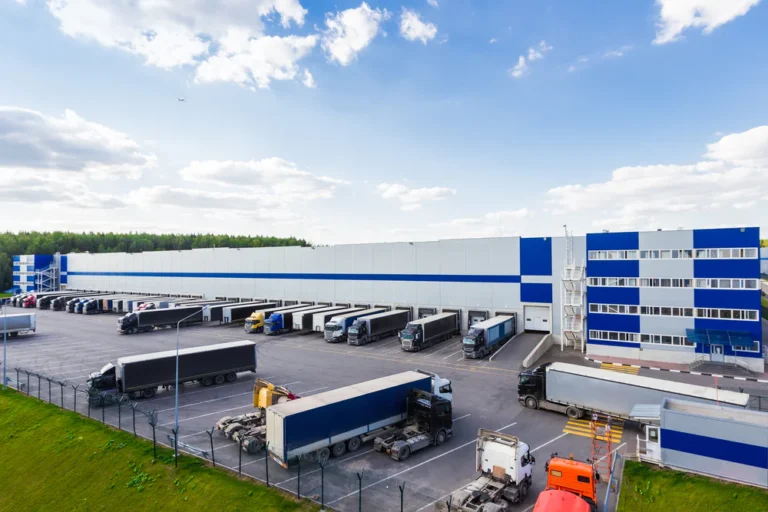
Faropoint Real Estate is a next-generation real estate investment and asset management firm that specializes in last-mile industrial properties, small to mid-sized warehouses, and distribution centers located near urban areas and population hubs. By leveraging data, automation, and local market expertise, Faropoint has carved out a distinctive niche in the highly competitive logistics and industrial sector.
Founded in 2012, Faropoint operates with a simple yet powerful vision: to use technology-driven analysis and local execution to acquire, manage, and optimize industrial real estate assets that institutional investors often overlook. Today, the company manages a growing portfolio across major U.S. markets, building value through intelligent acquisition, digital efficiency, and scalable operations.
Business Strategy and Core Market Focus
Vertically Integrated Acquisition Model
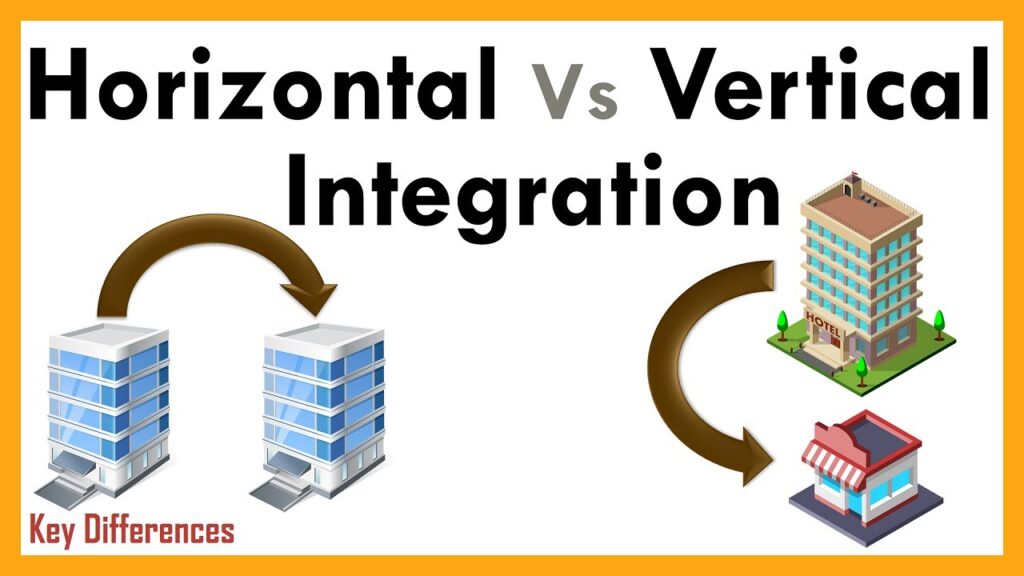
Faropoint’s acquisition strategy centers on identifying undervalued industrial assets that serve as last-mile distribution points. These assets typically range from 20,000 to 100,000 square feet, strategically located near highways, transportation hubs, and consumer population centers.
Rather than competing for large, high-profile assets, Faropoint targets small and mid-sized facilities that fall below the radar of large institutional buyers. This approach not only reduces competition but also enables the company to assemble portfolios of complementary assets across key logistics corridors.
Each acquisition is evaluated through proprietary data systems that assess demand drivers, lease terms, zoning potential, and long-term market resilience, ensuring every property aligns with both investor objectives and tenant needs.
Local Market Expertise Combined with Centralized Data
A major component of Faropoint’s success lies in blending local knowledge with centralized technology. The firm maintains regional teams across U.S. markets, each with strong relationships with brokers, developers, and tenants.
These teams feed real-time information into Faropoint’s central data engine on a platform that tracks market trends, lease comparables, and potential acquisition opportunities. This dual system of human intelligence and digital analytics enables Faropoint to move faster than competitors and secure high-value assets ahead of the market.
Institutional-Grade Capital Strategy
Faropoint regularly launches dedicated industrial value funds, raising capital from institutional partners to fuel acquisitions. Through this fund structure, they combine long-term investor capital with agile, tech-driven deployment.
The latest iteration, Industrial Value Fund IV, is structured to acquire 200-plus last-mile assets across the United States, with an estimated capitalization of around one billion dollars. This growth model allows Faropoint to scale quickly while maintaining operational precision and consistent returns.
Technology Integration and Operational Advantages
Data Analytics and Predictive Underwriting
Faropoint employs a proprietary underwriting platform that can process hundreds of acquisition opportunities simultaneously. Using AI-driven algorithms, the system evaluates pricing, lease profiles, replacement costs, and submarket absorption rates in real time.
This predictive modeling reduces underwriting time from weeks to hours, allowing Faropoint to make fast, informed decisions and outcompete slower institutional investors.
The company’s use of data extends beyond acquisitions; it also informs ongoing asset management, helping predict tenant behavior, maintenance cycles, and optimal rent adjustments.
Portfolio Management and Automation
Faropoint’s internal systems consolidate property data, financial performance, and maintenance records across all assets. This centralized approach allows for automated reporting, performance tracking, and capital planning.
By integrating financial and operational metrics, Faropoint can identify underperforming properties early and reallocate resources efficiently, ensuring every asset contributes to portfolio growth.
Digital Transformation in Property Operations
In managing industrial assets, Faropoint leverages digital tools for maintenance scheduling, security management, and tenant interaction. Through these platforms, tenants can access lease documents, report maintenance issues, and monitor utility usage, directly creating transparency and operational ease.
This not only streamlines property management but also strengthens tenant relationships and long-term retention.
Real-World Examples and Case Studies
Example 1: Industrial Value Fund IV Launch

Faropoint’s Industrial Value Fund IV represents a milestone in the company’s evolution. The fund’s objective is to consolidate small and mid-sized industrial properties in high-demand logistics regions such as Dallas, Atlanta, New Jersey, and Southern California.
Through this initiative, Faropoint is deploying advanced data modeling to identify properties with the highest potential for rental growth and long-term value creation.
This fund also demonstrates investor confidence in Faropoint’s technology-driven approach and its ability to transform overlooked assets into institutional-grade portfolios.
Example 2: Expansion into Southern California Industrial Market

In California’s Inland Empire, Faropoint acquired a multi-tenant warehouse portfolio in the city of Ontario. The region, known for its high logistics traffic and proximity to major highways, represents one of the tightest industrial markets in the country.
By focusing on well-located but under-optimized properties, Faropoint implemented upgrades in site layout, accessibility, and tenant mix. These improvements enhanced operational efficiency, reduced vacancy rates, and boosted overall portfolio performance.
Example 3: Aggregation of Urban Industrial Assets in New Jersey

Faropoint assembled a portfolio of ten industrial buildings in Northern New Jersey, one of the most sought-after logistics corridors in the U.S.
The company’s aggregation strategy allowed it to create operational synergies, centralize maintenance, and negotiate better service contracts across the portfolio. This case highlights Faropoint’s ability to create value not through massive single acquisitions, but through intelligent aggregation of smaller, high-potential assets.
Use Cases and Real-Life Applications
Use Case 1: Meeting the Demand for Last-Mile Distribution
Problem: E-commerce companies and third-party logistics providers require proximity to consumers to reduce delivery times. Yet, suitable industrial space within cities is scarce and expensive.
Solution: Faropoint’s portfolio of last-mile properties bridges this gap. Their assets are strategically located near urban centers, enabling faster delivery, reduced transportation costs, and improved logistics efficiency.
Why It Matters: As same-day and next-day delivery become the norm, proximity is no longer optional — it’s essential. Faropoint’s assets give tenants a logistical edge that traditional industrial parks can’t match.
Use Case 2: Consolidating Fragmented Industrial Markets
Problem: Small industrial properties are often owned by individual landlords and lack professional management, creating inefficiencies and underperformance.
Solution: Faropoint acquires and consolidates these fragmented properties into professionally managed portfolios. Their technology platform unifies maintenance, leasing, and financial oversight, turning previously inefficient assets into high-performing portfolios.
Why It Matters: This model unlocks liquidity for small owners while providing investors with access to diversified, scalable industrial exposure.
Use Case 3: Technology-Driven Underwriting and Risk Control
Problem: Traditional underwriting is slow, subjective, and dependent on manual inputs, leading to missed opportunities and inconsistent results.
Solution: Faropoint’s AI-powered underwriting platform standardizes and automates the process, evaluating hundreds of properties simultaneously and flagging the best opportunities within hours.
Why It Matters: This data-driven approach minimizes human bias, reduces transaction time, and ensures that capital is deployed into the most promising opportunities.
Benefits of Technology and Operational Efficiency
Enhanced Speed and Decision Accuracy
Automation in underwriting and portfolio analysis allows Faropoint to make investment decisions faster and with higher precision. This speed advantage is critical in competitive real estate markets where deals can close in days.
By combining predictive data models with human expertise, Faropoint strikes the perfect balance between agility and accuracy.
Scalable Growth Through Standardization
Faropoint’s technology backbone enables consistent processes across markets. Whether acquiring assets in Texas or New Jersey, the same data models, underwriting logic, and reporting tools are applied.
This standardization reduces errors, increases transparency, and supports scalable expansion, on a key reason why Faropoint continues to grow across multiple regions simultaneously.
Data-Driven Risk Management
Through analytics, Faropoint continuously monitors risk factors such as market vacancy rates, lease expirations, and capital expenditure forecasts. Predictive modeling allows the company to anticipate issues such as tenant churn or maintenance spikes before they affect financial performance.
This proactive risk management ensures portfolio stability and investor confidence, even during market volatility.
Improved Tenant Experience and Retention
Tenants benefit from Faropoint’s integrated digital systems that offer online portals for communication, maintenance requests, and real-time updates. This transparency builds trust and improves long-term retention rates — reducing turnover costs and increasing asset stability.
Cost Efficiency and Portfolio Optimization
Centralized operations reduce redundant costs across the portfolio. Maintenance, insurance, and vendor contracts are negotiated at scale, generating consistent cost savings.
By optimizing both expenses and revenue, Faropoint improves net operating income (NOI) and property valuations across its holdings.
Practical Advantages for Stakeholders
For Tenants and Operators
-
Access to well-located, functional last-mile industrial spaces.
-
Transparent, professional property management.
-
Flexibility to scale operations across multiple markets.
-
Enhanced logistics efficiency and reduced delivery costs.
For Investors and Capital Partners
-
Exposure to a growing, technology-enabled industrial sector.
-
Diversified portfolios across multiple cities and tenant types.
-
Reliable risk control and high-quality asset management.
-
Consistent income and long-term appreciation potential.
For Local Communities and Economies
-
Revitalization of underutilized industrial zones.
-
Creation of local jobs through logistics and maintenance operations.
-
Strengthened regional supply chain infrastructure.
-
Increased tax revenues and sustainable urban growth.
Why Faropoint’s Model Matters Today
-
The surge of e-commerce and consumer expectations drives exponential demand for last-mile logistics.
-
Smaller industrial assets remain underrepresented in institutional portfolios, presenting unique opportunities.
-
Technology and data integration create a powerful competitive edge in acquisition and management.
-
Investors increasingly favor scalable, niche platforms like Faropoint over legacy, manual models.
-
The company’s proven execution and fund structures demonstrate its maturity and growth potential.
Faropoint’s model represents the future of industrial real estate investment: agile, data-driven, and highly adaptable to changing market dynamics.
Frequently Asked Questions
Q1: What makes Faropoint Real Estate different from traditional industrial investors?
Faropoint distinguishes itself through technology integration, focus on smaller last-mile assets, and a vertically integrated platform. While traditional investors target large, stabilized assets, Faropoint identifies and optimizes underserved properties that deliver higher growth potential.
Q2: What are the main risks in Faropoint’s strategy?
Risks include location mismatch, tenant turnover, and market saturation in high-demand urban corridors. However, Faropoint mitigates these through diversification, predictive data modeling, and proactive asset management, ensuring strong portfolio resilience.
Q3: How does Faropoint use technology to create value?
Faropoint’s proprietary platform automates underwriting, integrates asset performance data, and provides real-time portfolio insights. This enables better decision-making, cost control, and identification of value-add opportunities, turning overlooked industrial properties into high-performance assets.