
Real Estate Investing Business Strategies, Benefits, and Modern Use Cases
The real estate investing business has evolved from traditional property buying and selling into a data-driven, tech-powered global industry. Investors today not only focus on physical assets like homes or offices but also leverage market analytics, digital platforms, and automation to scale faster and reduce risks.
This in-depth guide explores what a real estate investing business is, how it operates, what strategies generate sustainable profit, and how technology and innovation reshape this sector in the 21st century.
Understanding the Real Estate Investing Business
What Is a Real Estate Investing Business?
A real estate investing business involves purchasing, managing, renting, or selling properties for profit. The business can include residential, commercial, or industrial real estate, with revenue streams from rent, capital appreciation, or value-added renovations.
For example, a small investor might buy a rental apartment for monthly income, while a large firm may build office towers or acquire logistics parks. The underlying goal remains the same generate consistent cash flow and long-term equity growth.
Key Business Models in Real Estate Investing
There are several popular models used by investors and companies:
-
Buy and Hold: Purchasing properties and renting them out for steady income.
-
Fix and Flip: Buying undervalued homes, renovating them, and selling at a profit.
-
Wholesaling: Finding discounted properties, securing purchase rights, and selling contracts to other investors.
-
Real Estate Development: Building new structures or redeveloping existing ones for resale or leasing.
-
REITs (Real Estate Investment Trusts): Pooling investor funds to buy and manage large property portfolios.
Each model has distinct risks, capital requirements, and timelines, but all rely on deep market understanding and strong management.
Why Real Estate Investing Remains Profitable
Long-Term Appreciation and Income Stability
Unlike most investments, real estate produces both cash flow and capital growth. Well-located assets appreciate over time while generating rental income. This dual benefit makes it one of the most consistent wealth-building vehicles in history.
Moreover, property values tend to rise with inflation, helping investors preserve purchasing power.
Tangible and Controllable Asset
Unlike stocks or cryptocurrencies, real estate is a physical, controllable asset. Investors can directly influence its performance by improving facilities, adjusting rents, or repositioning its use. This sense of control attracts both small and institutional investors.
Diversification and Leverage
Real estate offers diversification benefits because it behaves differently from equities or bonds. Through financing (mortgages or leverage), investors can amplify returns, though at a higher risk, while maintaining a tangible asset base.
Tax Efficiency
Governments often provide tax advantages such as depreciation, interest deductions, and capital gains deferral, making real estate a favored investment vehicle for wealth preservation.
Core Components of Running a Real Estate Investing Business
Market Research and Due Diligence
Success starts with research and understanding market demand, supply, economic drivers, demographics, and infrastructure plans. Investors analyze rental yields, absorption rates, and comparable sales to make informed decisions.
Financing and Capital Structure
Funding may come from personal capital, bank loans, private investors, or crowdfunding platforms. Structuring debt and equity efficiently determines overall returns and long-term sustainability.
Property Acquisition and Valuation
Locating profitable properties requires negotiation skills, valuation models, and timing. Acquiring below-market properties or in growing markets helps secure higher margins.
Asset Management and Maintenance
Once acquired, the property must be maintained to retain value. Asset managers oversee repairs, tenant relations, and operational expenses to ensure consistent income and minimal vacancies.
Exit Strategies
A successful business always plans to exit, exists, and sells when markets peak, refinances, or converts properties for higher and better use.
The Role of Technology in Real Estate Investing
Technology has transformed how investors analyze, acquire, and manage properties. Today’s successful real estate investing businesses integrate PropTech (Property Technology) at every stage.
Data Analytics and AI for Decision Making
Artificial intelligence tools process massive data, set demographics, price trends, and historical data to identify profitable markets. Predictive models can forecast property appreciation, vacancy rates, or tenant churn.
AI also helps investors automate portfolio analysis, risk management, and pricing strategies, reducing human error and improving precision.
Virtual Reality and 3D Tours
Virtual tours let buyers and investors explore properties remotely. Developers use 3D visualization to showcase unbuilt projects, accelerating sales and leasing.
In commercial spaces, tenants can design virtual layouts before signing leases, reducing negotiation time and improving satisfaction.
Blockchain for Secure Transactions
Blockchain ensures transparent, tamper-proof records for property titles, transactions, and ownership history. It simplifies cross-border deals by reducing reliance on intermediaries and legal delays.
Smart contracts can automate rent payments or escrow releases once pre-set conditions are met, improving efficiency and trust.
Internet of Things (IoT) in Property Management
IoT systems monitor building performance, track maintenance schedules, and reduce energy waste. For instance, sensors can detect leaks, temperature anomalies, or occupancy patterns, helping investors cut operational costs while enhancing tenant comfort.
Real Estate Management Software
Modern property management platforms integrate accounting, lease tracking, and maintenance requests in real time. They allow investors to manage multiple assets efficiently across regions.
Real-World Examples and Use Cases
Example 1: Blackstone Real Estate Division

Blackstone has built one of the world’s largest real estate portfolios, spanning logistics, offices, and residential assets. Its success lies in data-driven acquisition, buying undervalued properties during downturns, and repositioning them for growth.
Relevance: This demonstrates how institutional investors combine scale, timing, and technology to achieve long-term value creation.
Example 2: Zillow’s Data-Driven Marketplace
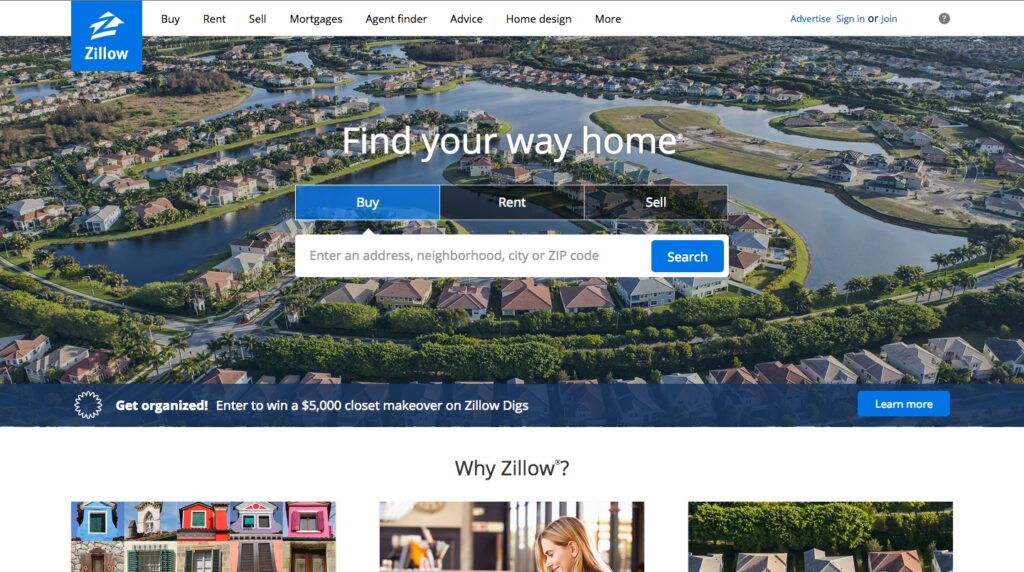
Zillow revolutionized residential real estate by aggregating property data, enabling users to estimate values, compare markets, and connect with agents instantly.
Relevance: Shows how technology and data transparency have empowered both investors and everyday buyers to make smarter decisions.
Example 3: REITs (Real Estate Investment Trusts)

REITs like Prologis and Simon Property Group allow investors to buy shares in diversified property portfolios. These firms generate rental income distributed as dividends.
Relevance: Highlights how real estate investing evolved into a scalable, liquid business model accessible to small investors.
Example 4: Local Flipping Businesses

Small entrepreneurs often buy distressed properties, renovate them, and resell at a higher price. When done strategically with data on neighborhood trends, flipping can produce high returns within short cycles.
Relevance: Demonstrates how even individual investors can operate profitably with strong research and renovation planning.
Example 5: Co-Working and Flexible Office Spaces
Insert image of modern coworking office.
Startups like WeWork popularized flexible office spaces that combine hospitality and tech. This model relies on real estate but emphasizes community and software integration.
Relevance: Shows how modern real estate investing intersects with technology and consumer behavior shifts.
Practical Benefits of Technology in Real Estate Investing
Efficiency and Cost Reduction
Automation and digital tools cut overhead by streamlining processes like rent collection, marketing, and accounting. Remote inspections and online applications save time and labor.
Enhanced Transparency
Blockchain and open-data platforms build investor confidence by making transactions traceable and verifiable. This transparency attracts global capital and institutional partnerships.
Data-Driven Insights
Access to analytics reduces guesswork. Investors can identify undervalued neighborhoods, optimize rent pricing, and forecast market cycles with accuracy.
Greater Market Accessibility
Online platforms democratize real estate investing. Crowdfunding, tokenization, and fractional ownership now allow investors to participate with smaller budgets.
Real-World Use Cases: Problems Solved by Real Estate Investing
Use Case 1: Housing Shortages
Problem: Urban population growth leads to limited affordable housing.
Solution: Developers and investors create rental or co-living units that address this gap, earning stable income while solving social issues.
Use Case 2: Economic Diversification
Problem: Investors rely heavily on volatile stock markets.
Solution: Real estate provides tangible diversification and steady returns through rental income.
Use Case 3: Retirement Planning
Problem: Retirees seek inflation-protected income.
Solution: Rental properties provide predictable cash flow, hedging against rising costs and market downturns.
Use Case 4: Urban Renewal
Problem: Abandoned or decaying properties lower the value.
Solution: Investors can renovate or repurpose such properties into modern housing or commercial projects, revitalizing communities and boosting asset values.
Best Practices for a Successful Real Estate Investing Business
-
Research deeply before every purchase.
-
Leverage financing wisely, avoid overexposure.
-
Diversify portfolios across asset classes and regions.
-
Adopt modern technology to gain data and operational efficiency.
-
Focus on long-term value rather than short-term speculation.
-
Maintain strong property management to ensure stable returns.
FAQs
Q1: How much capital do I need to start a real estate investing business?
It depends on your chosen model. Some investors start with small residential rentals, while others join crowdfunding or REIT platforms that require minimal capital.
Q2: Is real estate investing still profitable during economic downturns?
Yes. Well-located and essential properties like logistics centers or affordable housing often remain resilient, maintaining rental demand even in recessions.
Q3: What’s the biggest mistake new investors make?
Failing to research markets thoroughly. Many overpay or underestimate repair and maintenance costs. Proper due diligence prevents costly surprises.
Conclusion
The real estate investing business remains one of the most powerful paths to wealth creation, blending tangible assets with modern digital tools. From data analytics and automation to blockchain and sustainability, this industry now offers more transparency, flexibility, and scalability than ever before.
By combining strategic insight, technological adoption, and disciplined execution, investors can build a real estate business that not only generates profit but also shapes the cities and economies of the future.