The Ultimate Guide to a Retail Leasing Agent Role
A retail leasing agent is a specialist in the commercial real estate sector whose domain is retail shops, shopping centers, malls, and storefront spaces. Unlike residential leasing agents, their role is deeply tied to business operations, foot traffic analysis, tenant mix strategies, and commercial lease negotiation.
In this comprehensive guide, we explore exactly what retail leasing agents do, how the role differs from general leasing, core responsibilities, benefits of leveraging technology in this field, real-world examples, use cases showing how retail leasing agents solve problems, and frequently asked questions.
Role & Responsibilities of a Retail Leasing Agent
Core Function & Scope
A retail leasing agent acts as an intermediary between property owners (landlords or developers) and prospective retail tenants. They seek to attract high-quality retailers that match the property’s positioning, negotiate lease terms, coordinate tenant improvements, and maintain long-term tenant relationships. Their success is measured not just by lease volumes, but by how well they curate the tenant mix, contribute to foot traffic, and enhance the value of the retail asset.
Because retail real estate is dependent on consumer behavior, a retail leasing agent must understand shopping trends, demographics, consumer behavior, competing retail centers, and local market dynamics. Their work is strategic, not merely transactional.
Key Duties & Tasks
-
Market Research & Retailer Prospecting: Identify retailers or brands that match the center’s profile, market trends, and demographics. Generate leads and pitch space opportunities.
-
Site Tours & Presentations: Show prospective retailers the property, explain benefits (location, foot traffic, surrounding tenants), and help them visualize layout or unit design.
-
Lease Negotiation & Documentation: Negotiate rent, tenant improvements (TI), lease duration, common area fees, percentage rents, exclusivity rights, and escalation clauses. Then finalize Letters of Intent (LOIs) and lease contracts.
-
Tenant Improvement Oversight: Coordinate with architects, contractors, and tenant conformity review to ensure buildout aligns with property standards and timeline.
-
Tenant Relations & Renewal Management: Maintain communications with tenants, ensure they fulfill lease obligations, manage renewals or expansions, and mitigate tenant turnover.
-
Performance Tracking & Reporting: Monitor lease metrics like occupancy rate, rent per square foot, tenant sales per square foot, and turnover. Provide reports to ownership.
-
Marketing & Branding Efforts: Develop campaigns, signage, events, digital presence, or pop-up opportunities to increase center visibility and attract tenants or consumers.
-
Legal & Compliance Oversight: Ensure lease terms comply with local zoning, signage codes, and building regulations, and manage any legal disputes or enforcement.
Retail leasing is more complex than many other commercial leasing niches because retail tenants often have particular demands (storefront visibility, parking, signage, foot traffic, co-tenancy clauses) that require careful alignment between landlord and tenant.
What Makes a Great Retail Leasing Agent
Deep Market & Consumer Insight
A top retail leasing agent understands not only real estate but also retail operations. They analyze consumer behavior, competitor performance, retail trends (e.g., shift to experiential retail), foot traffic flows, and demographic alignments. This insight helps them position spaces not just as real estate but as retail ecosystems.
They also monitor macro trends in e-commerce integration (omnichannel retail), hybrid retail models, pop-ups, and experiential anchors and use these insights to attract tenants who can thrive in modern retail contexts.
Strong Negotiation, Relationship & Business Acumen
Retail leases often include complex clauses (percentage rent based on sales, exclusivity rights, and co-tenancy thresholds). The agent must negotiate these carefully to balance tenant needs and landlord protection. The ability to maintain long-term relationships matters to tenants who often succeed in renewals; troubled tenants may default or leave early.
Business acumen is necessary to evaluate proposals: forecasting sales, projecting lease breakpoints, evaluating TI investment returns, and assessing risk in tenant credit, market conditions, and lease structuring.
Project & Coordination Skills
Because retail leasing involves tenant development (buildouts, signage, façade changes), a leasing agent often coordinates with architects, contractors, property operations, and local authorities. Keeping timelines, budgets, and quality in check is critical. Agents need to ensure tenant fitouts match landlord standards and do not disrupt adjacent tenants.
Adaptability & Use of Technology
Successful agents adopt technology CRM systems, lease management platforms, visualization tools, market intelligence dashboards, foot traffic analytics, and virtual tours to stay efficient, data-driven, and competitive in fast-moving retail real estate markets.
How Technology Enhances the Retail Leasing Agent Role
Technology is reshaping how retail leasing agents work. Below are key tech domains and their benefits.
Market Intelligence Platforms & Data Analytics
Modern agents use platforms that aggregate retail sales data, demographic overlays, competitor store data, foot traffic analytics, and trade area insights. These tools allow them to assess the “retail viability” of a location, propose realistic lease terms, and target the right tenants.
For example, agents can see which retailers are expanding, where consumer spending is growing, and which clusters show retail voids, enabling more informed prospecting.
Virtual Tours, 3D Modeling & Space Visualization
Virtual reality (VR) and augmented reality (AR) tools let prospective tenants virtually walk through available units, test layout ideas, and anticipate customer flow. This reduces the time and friction of physical site visits and helps retailers make quicker decisions.
3D modeling tools allow the leasing agent to overlay potential fixtures, shelving, signage, and traffic flow, giving tenants confidence in the space before commitment.
CRM & Lease Management Software
Integrating customer relationship management (CRM) with lease management systems gives agents tools to track leads, prospect follow-up, lease stages, document workflows, renewal schedules, and key performance metrics in one dashboard.
Automated reminders, document templates, and version control streamline processes and reduce manual error. Dashboard analytics allow agents to identify bottlenecks or weak points in the leasing funnel.
Foot Traffic, IoT & Heatmap Analytics
Retail leasing agents increasingly use foot traffic sensors, anonymized mobile data, or heatmap analytics inside malls or shopping districts to demonstrate traffic patterns to tenants. These metrics give concrete proof of exposure rather than relying on estimates.
Agents can share data on peak hours, dwell time, entry/exit flows, and popular paths, enabling smarter tenant placement and lease pricing.
Contract Automation & Digital Signatures
Smart contract tools and digital signatures reduce lease execution friction. Agents can issue LOIs, lease drafts, amendments, and tenant documents digitally, with automated workflows that track versions, approvals, and deadlines.
These digital systems reduce delay, maintain audit trails, and speed up closure cycles.
Real-World Examples & Use Cases
Below are real-world examples of how retail leasing agents operate in different contexts. Each illustrates how the role delivers value in real retail settings.
Example 1: Regional Shopping Mall Leasing
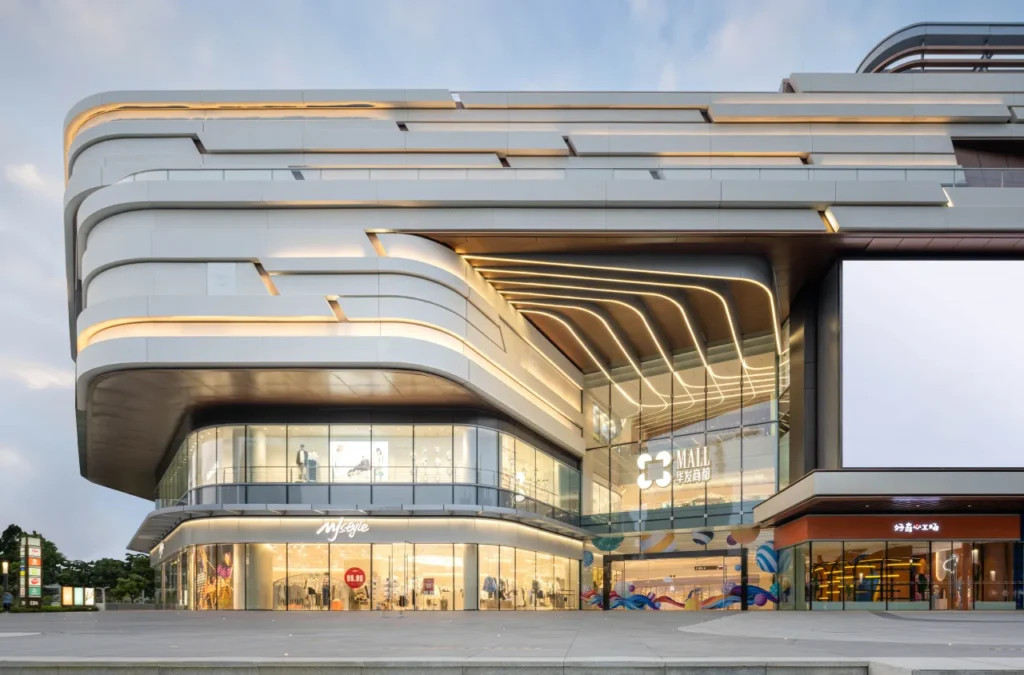
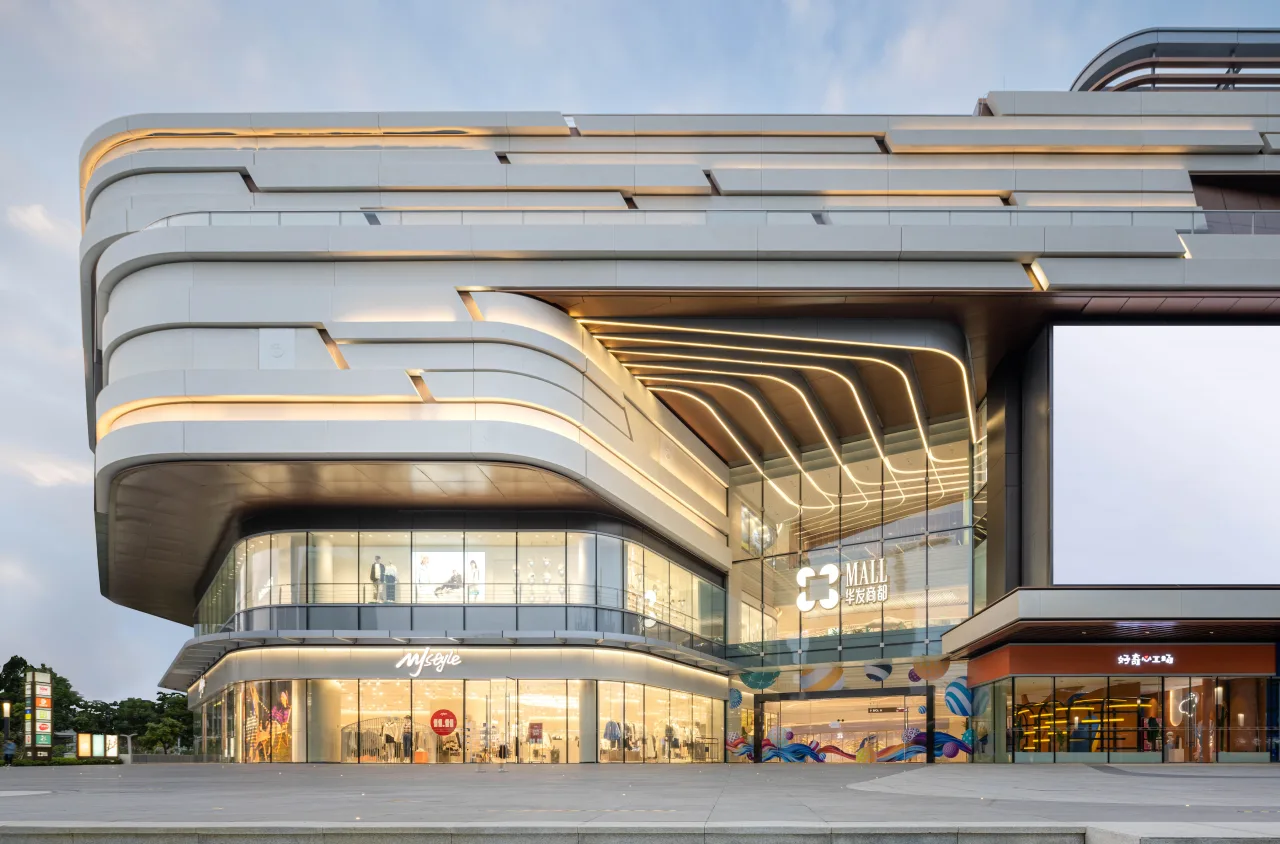
A retail leasing agent working for a regional shopping mall might target tenants across categories, apparel, F&B, entertainment, anchor, and specialty stores. They segment the property into zones (anchor corridor, food court area, junior anchor strip) and create strategic zoning for tenant categories.
They use foot traffic data, demographic analytics, and competitor mapping to pitch to brands that complement existing stores. They negotiate anchor leases with favorable terms (e.g., tenant improvement allowances, co-tenancy protections) and then balance smaller tenant rents to support the overall ecosystem. They also coordinate pop-up spaces, seasonal activations, and marketing events to support leasing momentum.
This example shows how a leasing agent helps curate a coherent retail environment, not just fill spaces.
Example 2: High Street / Street Retail Leasing

In a high-street retail environment (main urban shopping streets), a leasing agent focuses on visibility, synergy with adjacent retailers, pedestrian flow, and façade frontage. They may negotiate storefront size, signage visibility, operating hours, and usage (food, fashion, services), ensuring alignment with street branding.
They also manage smaller shop units, pop-ups, transitional leases, and activation events to maintain street vitality. Agents target retailers whose brand image enhances the street character.
Example 3: Mixed-Use Development Retail Component
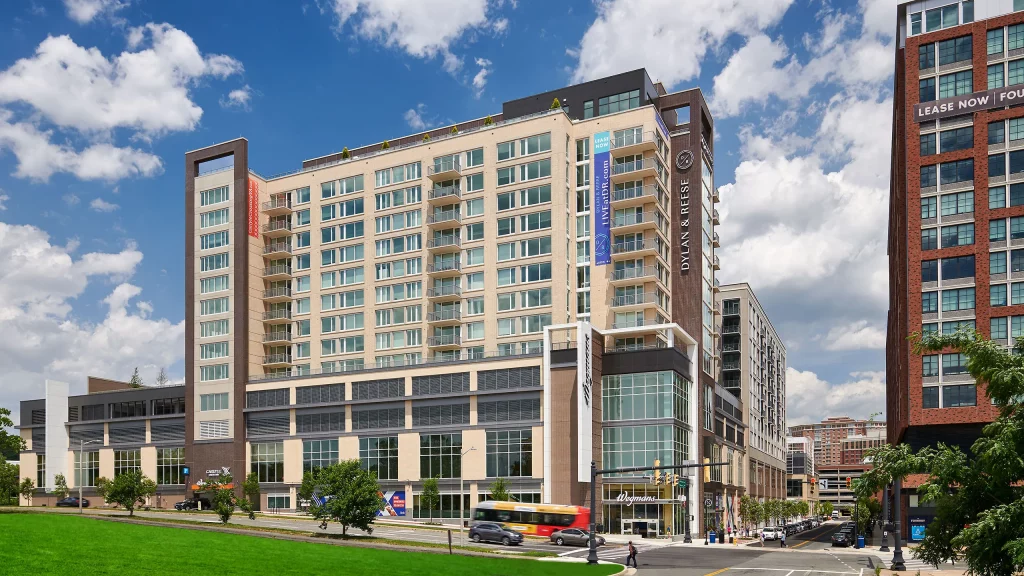
In mixed-use projects combining residential, offices, and retail, the retail leasing agent seeks tenants that serve both residents and the wider public (cafes, convenience stores, services). They ensure synergy between the building’s usage and the retailer’s offering, focusing on convenience, foot traffic from residents, and outdoor access.
They must coordinate with the development team for building design, storefront alignment, signage standards, and operational logistics (deliveries, loading). Their leasing decisions directly influence the liveability and attractiveness of the mixed-use environment.
Example 4: Experiential Retail / Pop-Up Leasing
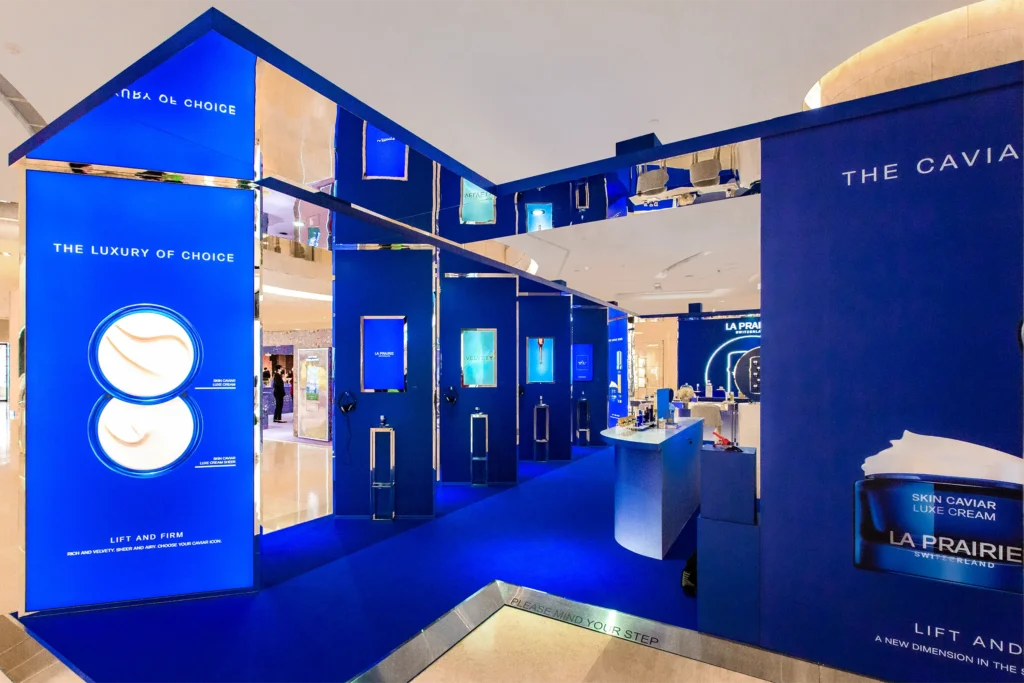
Some leasing agents specialize in pop-up or experiential retail, short-term, event-driven retail shows. They help property owners fill vacant spaces temporarily, maintain activation, and attract new tenants.
These agents negotiate flexible short-term deals, support buildouts minimally, and help with marketing. They also use mobile data and foot traffic insights to schedule pop-ups where exposure is highest. This helps fill dead space and keep the center active, maintaining vibrancy and visitor engagement.
Benefits & Value That a Retail Leasing Agent Brings
Maximized Rent & Revenue Yield
By curating the right tenant mix, positioning space strategically, and negotiating lease structures (base rent + percentage rent), agents help landlords extract the maximum income. Their market knowledge ensures that leases align with demand and price sensitivity.
Tenant Retention & Reduced Vacancy
With professional relationship management, renewal incentives, and activation support, leasing agents help maintain a stable tenant roster. Lower vacancy means constant revenue flow and reduced downtime costs.
Asset Appreciation & Market Positioning
A retail property with thoughtfully curated tenants, strong visibility, and high foot traffic commands a higher valuation. Leasing agents play a key role in shaping that tenant ecosystem, thereby enhancing property value.
Operational Efficiency & Risk Reduction
Agents mitigate risk, credit risk, lease ddefaultsand underperforming tenants through careful screening, lease terms, performance clauses, and proactive oversight. Their project coordination ensures buildouts don’t disrupt existing operations.
Real-Time Insights & Data-Driven Decision Making
With technology tools, leasing agents deliver data-backed insights to both landlords and tenants about traffic, demand, and performance, building trust and optimizing strategies.
Promotional & Branding Leverage
Agents often collaborate on marketing, events, tenant activations, and tenant synergy, creating a brand or experience around the retail asset that attracts tenants and consumers alike.
Use Cases: Problems Solved by Retail Leasing Agents
Use Case 1: Stagnant Retail Center with High Vacancy
Problem: A suburban mall has many vacant stores, declining foot traffic, and difficulty attracting new tenants.
Solution: A retail leasing agent analyzes demographic, competitor, and traffic data to re-position the mall’s appeal. They bring in new categories (g, entertainment, food halls), negotiate favorable TI allowances to attract anchor tenants, and deploy pop-ups to activate vacant spaces while filling longer leases. Over time, vacancy decreases and the center regains vibrancy.
Use Case 2: Retailer Expansion & Relocation
Problem: A successful retail brand wants to expand into new territory but struggles to find suitable locations.
Solution: The leasing agent uses market analytics, trend data, and property networks to identify optimal storefronts. They negotiate favorable lease deals, help with layout optimization, and ensure retailers’ operational needs (delivery, storage) are met. The retailer opens a profitable new branch.
Use Case 3: Mixed-Use Project Retail Planning
Problem: A new mixed-use development needs retail that complements its residential and office components. If the wrong tenants are chosen, ground-floor spaces stay empty or cause conflict.
Solution: The retail leasing agent selects tenant types that serve both residents and external customers (cafes, services, and convenience). They align leasing terms, storefront design, and operating hours with the development’s usage patterns to create synergy and encourage foot traffic.
Use Case 4: Managing Turnover & Lease Renewals
Problem: A property owner sees a high churn rate of retail tenants annually due to dissatisfaction or poor terms.
Solution: The leasing agent maintains proactive engagement, benchmarking rent vs market, offering renewal incentives, and suggesting tenant performance support marketing. They preempt departures and negotiate renewal deals that retain quality tenants.
Use Case 5: Pop-up Activation in Slow Seasons
Problem: A retail property suffers from low occupancy or foot traffic in off-peak seasons.
Solution: A leasing agent books short-term pop-up leases, experiential retail events, or seasonal activations (holiday kiosks, brand showcases). This keeps the center active, attracts visitors, and helps prospective long-term tenants experience the space.
Best Practices & Strategies for Retail Leasing Agents
-
Always base proposals on data and market evidence (foot traffic, consumer spend, competitor mapping).
-
Be selective with tenant mix to avoid cannibalization and ensure synergy.
-
Negotiate lease structures with flexibility (caps, breakpoints, escalations) aligned with tenant risk.
-
Maintain strong relationships with tenants and landlords. Communication is key.
-
Adopt technology: CRM, virtual tours, analytics dashboards, and foot traffic sensors.
-
Use short-term activations (pop-ups) to keep spaces fresh and visible.
-
Plan for tenant improvements carefully, including timelines, standards, and impact on adjacent tenants.
-
Continuously track metrics (rent PSF, occupancy, tenant sales, renewal rates).
FAQs
Q1: What is the difference between a retail leasing agent and a commercial leasing agent?
A retail leasing agent specializes in leasing retail spaces (shops, malls, street front stores) and focuses heavily on consumer traffic, tenant mix, storefront visibility, and retail operations. A general commercial leasing agent might lease office, industrial, or mixed-use spaces and deals more with business operations, utility structure, and B2B tenants rather than direct consumer foot traffic.
Q2: How do retail leasing agents get paid?
They are typically compensated via commissions (a percentage of rent or lease value) or a fixed leasing fee. In some cases, they may also earn bonuses or incentives tied to lease velocity, occupancy rates, or building performance.
Q3: What skills are essential to become a successful retail leasing agent?
Key skills include market analysis, negotiation expertise, relationship-building, project coordination, financial modeling, and comfort with technology and data tools. Deep knowledge of retail operations, tenant psychology, and local consumer trends is also highly valuable.