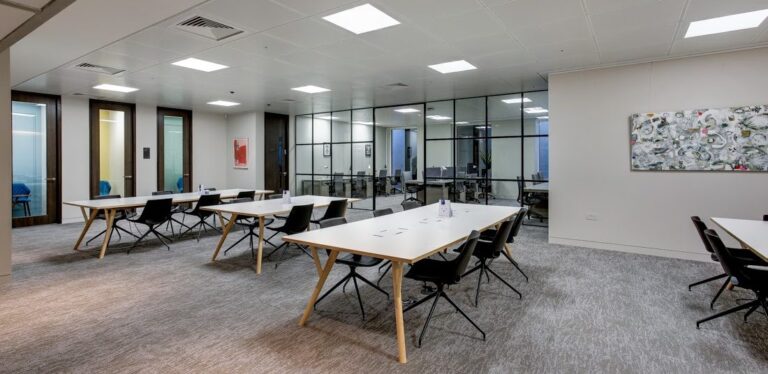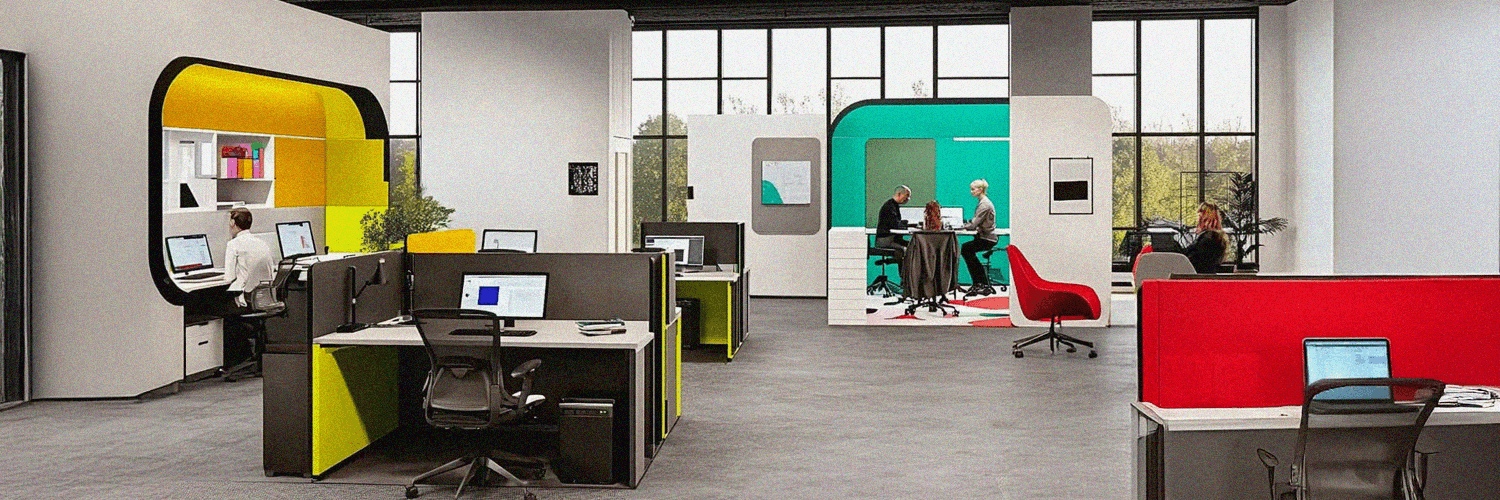
Short Term Office The Flexible Workspace Revolution
A short-term office refers to a commercial workspace available for rent on a temporary or flexible basis, typically ranging from a few days to several months. Unlike traditional leases that lock businesses into long-term contracts (3–10 years), short-term offices offer freedom, scalability, and simplicity.
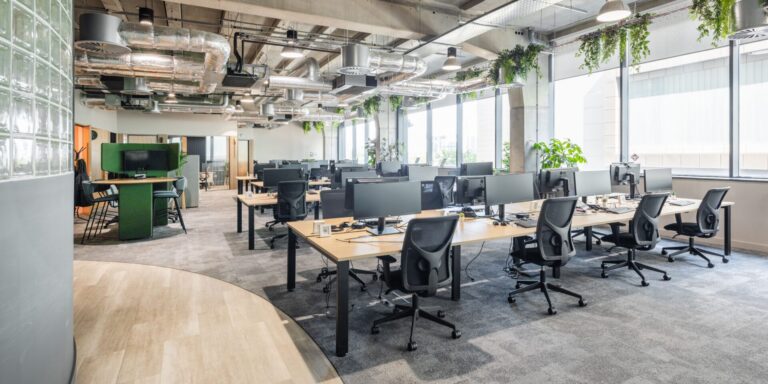
These spaces are designed for agility. They come fully furnished, equipped with internet, utilities, and shared amenities like meeting rooms or lounges. For startups, freelancers, project teams, or companies undergoing transitions, short-term offices provide the ideal bridge between flexibility and professionalism.
Why Short-Term Offices Are on the Rise
The global shift toward hybrid and remote work has reshaped how companies use physical space. Businesses no longer need permanent office footprints; instead, they want adaptable spaces they can scale up or down based on demand. Short-term offices have therefore become the backbone of this new work culture. They serve as project bases, collaboration hubs, or temporary headquarters during renovations or relocations. Their affordability and ready-to-use nature make them a cornerstone of modern workplace strategy.
Key Features and Characteristics of Short-Term Offices
Flexible Lease Duration
Unlike conventional leases, short-term offices allow tenants to rent space for days, weeks, or months, perfect for temporary projects or trial operations. Many providers even offer rolling contracts that renew automatically until notice is given.
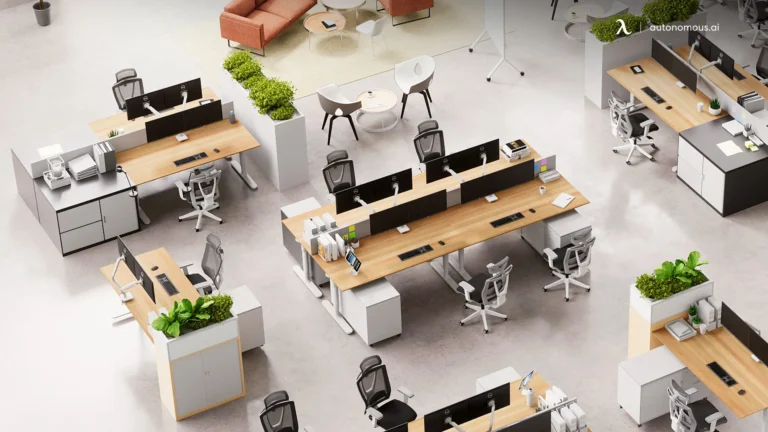
Ready-to-Use Setup Short-term offices come furnished with desks, chairs, Wi-Fi, and utilities. This eliminates the need for capital investment in furniture, IT systems, and maintenance. Businesses can move in and start working immediately.
Shared Amenities and Services
These offices often include communal kitchens, meeting rooms, reception areas, and printing facilities. The shared model reduces costs and fosters collaboration across industries.
Scalable Space Options
Tenants can expand or downsize as needed. Whether you’re a small startup or a large corporation launching a new project, you can adjust space according to headcount and workflow.
Central Locations
Most short-term offices are positioned in prime business districts, offering easy access to transportation, restaurants, and professional networks without the high overheads of permanent offices.
Real-World Examples of Short-Term Office Models
Below are examples illustrating how short-term offices function in real life, each highlighting unique features and relevance.
Servcorp Short Term Office
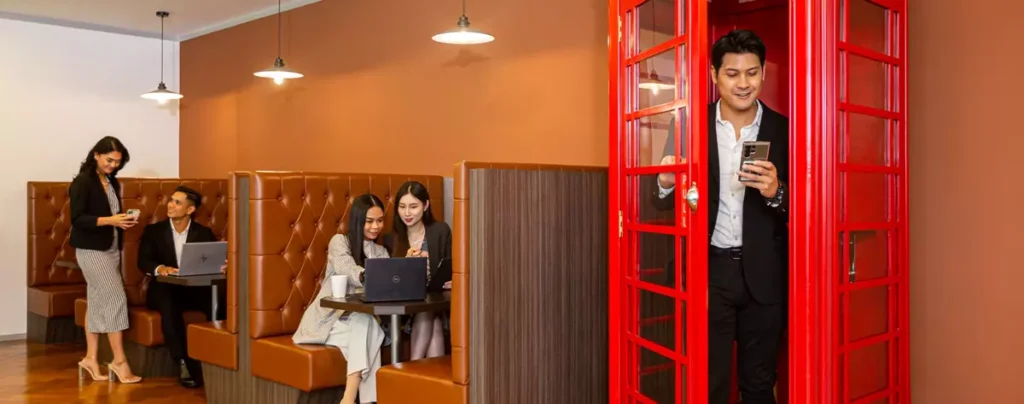
Servcorp provides short-term office solutions in major global cities. Their spaces are designed for immediate occupancy and include premium furniture, fast internet, phone systems, and professional reception services.
Relevance: Servcorp exemplifies how short-term offices combine prestige and practicality. Businesses can secure prestigious addresses in key business districts without committing to long-term leases. It suits enterprises that require a professional setup for temporary projects or client meetings.
WeWork On-Demand Office

WeWork’s short-term office plans allow users to rent private offices or desks by the day. Users can book through an app, check in, and access amenities like coffee, meeting rooms, and high-speed Wi-Fi.
Relevance: This model shows the flexibility demanded by the modern workforce. Professionals can book workspace only when needed, whether it’s for a single day of focus or a week of collaboration.
Regus Short Term Workspace
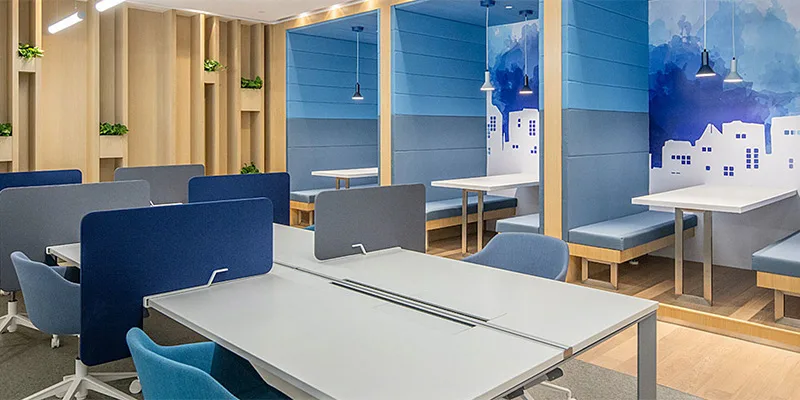
Regus offers short-term offices in hundreds of locations, allowing businesses to occupy ready-to-use workspaces for any duration. Offices include administrative support, IT infrastructure, and access to global business lounges.
Relevance: Regus demonstrates the global scalability of the short-term office concept. It’s ideal for traveling executives or teams that need temporary operational bases across different cities.
Advantages of Choosing a Short-Term Office
Immediate Move-In Capability
Short-term offices are plug-and-play environments. There’s no need to wait for renovation, network installation, or furniture delivery. This is especially valuable for time-sensitive projects or sudden operational needs.
Cost Control and Reduced Risk
Traditional leases require security deposits, fit-out costs, and long-term commitments. Short-term offices eliminate these burdens. Businesses pay only for what they use, avoiding financial risk if circumstances change.
Professional Image and Client Trust
Using a reputable short-term office in a central location enhances your brand image. Clients see stability and credibility, even if your long-term base is remote or under development.
Operational Flexibility
Short-term offices give companies the freedom to test new markets, launch short-term campaigns, or host temporary teams without permanent overheads. The ability to adjust space quickly keeps operations agile.
Access to Networking Opportunities
Because short-term offices often operate within coworking environments, they foster interaction with professionals across industries. This environment can lead to collaborations, partnerships, and business growth.
The Role of Technology in Short-Term Offices
Smart Building Integration
Modern short-term offices use smart technology to enhance convenience and sustainability. Automated lighting, climate control, and occupancy sensors adjust in real time, improving comfort while minimizing energy waste.
Digital Booking and Management
Advanced booking platforms and mobile apps allow users to reserve spaces, extend leases, or request support instantly. This digitization simplifies the rental experience, eliminating paperwork and delays.
Connectivity and IT Infrastructure
Reliable Wi-Fi, secure VPNs, and cloud-based systems ensure productivity from day one. Short-term offices often feature enterprise-grade IT setups, allowing tenants to connect instantly without additional configuration.
Hybrid Meeting Solutions
Technology-enabled meeting rooms equipped with video conferencing and collaboration tools make remote communication seamless. Tenants can host hybrid meetings with global teams using high-definition audio and video systems.
Data-Driven Operations
Through IoT sensors and analytics, workspace providers monitor occupancy trends, energy consumption, and user preferences. These insights enable continuous improvement and personalized experiences for tenants.
Real-Life Use Cases: When Short-Term Offices Make Sense
Startups Testing New Markets
A startup expanding to a new city can use a short-term office to test the waters, meeting local clients, hiring temporary staff, and gauging demand. If the market proves viable, the company can transition to a long-term lease.
Project-Based Teams
Large companies often assemble temporary teams for special projects. Short-term offices provide a focused environment separate from the main headquarters, enabling dedicated collaboration without long-term commitments.
Relocation or Renovation Periods
When a permanent office undergoes refurbishment or relocation, short-term offices serve as temporary workspaces, preventing disruption to daily operations.
Seasonal or Contract Workforces
Businesses with cyclical workloads (such as accounting or event management) can rent short-term offices during peak seasons. This flexibility prevents paying for unused space in quieter months.
Freelancers and Independent Professionals
Short-term offices offer freelancers a professional alternative to home offices or cafés. They can rent space only when needed, perfect for meeting clients, conducting interviews, or focusing on intensive projects.
Benefits of Technology in Short-Term Office Environments
Enhanced Productivity
Smart environments automatically adjust to improve focus and comfort. Combined with reliable connectivity, they create an environment where productivity thrives without setup delays.
Improved Sustainability
Energy-efficient systems reduce waste and operational costs. Automated controls ensure that electricity, heating, and cooling are used only when necessary, supporting both eco-friendly goals and financial efficiency.
Security and Access Control
Smart locks and biometric access systems ensure safety without requiring manual supervision. Tenants can manage entry permissions remotely, reducing administrative workload.
Seamless Communication
Integrated digital tools like wireless presentation systems and virtual meeting software enable hybrid teams to collaborate effortlessly, whether members are on-site or remote.
Real-Time Support and Maintenance
Digital monitoring allows providers to detect issues before tenants notice them, from network outages to temperature imbalances. Quick resolutions enhance tenant satisfaction and uptime.
Practical Steps to Find and Rent a Short-Term Office
-
Define Your Needs.
Determine duration, team size, budget, and required amenities. -
Research Locations.
Choose areas that balance accessibility, prestige, and convenience for clients or staff. -
Compare Providers.
Evaluate space layouts, lease terms, included services, and flexibility. -
Inspect in Person or Virtually.
Assess lighting, acoustics, and technology readiness before committing. -
Review Terms and Inclusions.
Confirm that internet, utilities, cleaning, and security are covered within rent. -
Plan Logistics.
Arrange move-in schedules, tech setup, and communication lines. -
Move In and Scale Freely.
Begin operations immediately, expanding or reducing space as needed.
Frequently Asked Questions (FAQ)
Q1: How long is a short-term office lease?
A short-term office lease can last anywhere from one day to several months. Many providers offer flexible monthly or weekly contracts that can be renewed or canceled with short notice.
Q2: Who benefits most from renting short-term offices?
Startups, remote teams, freelancers, and corporations needing temporary project spaces benefit most. The flexibility and ready-to-use setup make these offices suitable for any situation requiring agility.
Q3: Are short-term offices more expensive than long-term leases?
On a per-month basis, they may appear slightly higher due to included amenities and services. However, when factoring in setup costs, deposits, and maintenance of traditional leases, short-term offices are often more cost-effective overall.
Conclusion
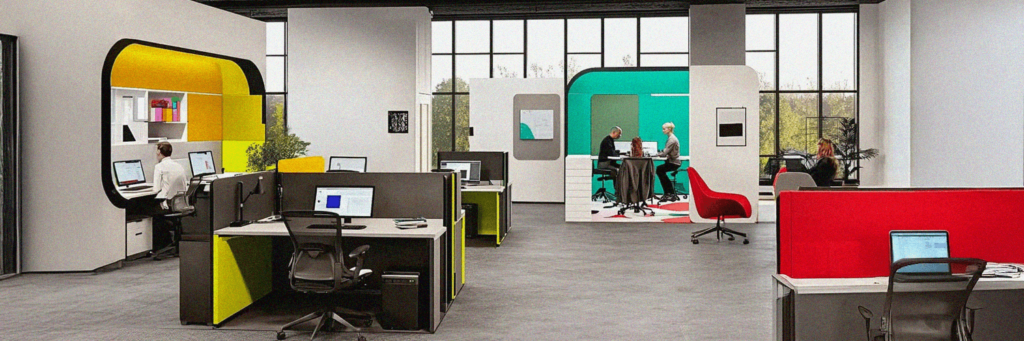
The short-term office is transforming how businesses think about workspace. It bridges the gap between flexibility, technology, and professionalism, enabling companies to adapt quickly to change without sacrificing quality.
In a world where agility and hybrid work dominate, short-term offices provide an ideal solution: ready, scalable, and strategically located. Whether you’re testing new markets, managing projects, or maintaining operational continuity during transitions, short-term offices offer the perfect combination of efficiency, affordability, and prestige.
As technology and work culture continue to evolve, the short-term office model stands as a cornerstone of the modern business landscape, empowering organizations to work smarter, faster, and without limitations.