Industrial Real Estate Agency Roles, Technology & Use Cases
An industrial real estate agency specializes in representing clients in the acquisition, sale, leasing, and advisory of industrial property warehouses, distribution centers, manufacturing facilities, flex spaces, logistics hubs, and related industrial assets. Because industrial real estate includes significant technical, operational, and logistical complexity, agencies in this niche must have deep market knowledge, infrastructure insight, and stakeholder coordination skills.
In this article, we will explain what an industrial real estate agency does, the responsibilities and strategies, how technology enhances their work, real-world example cases, the benefits they provide, use cases of challenges they solve, and answer frequently asked questions.
What an Industrial Real Estate Agency Does & Why It Matters
Core Functions & Specialization
An industrial real estate agency acts as intermediary and advisor between industrial property owners/developers and tenants, investors, or occupiers. Its core functions include marketing industrial assets, sourcing tenants or buyers, negotiating complex leases, advising on site selection, coordinating due diligence (zoning, environmental reviews, power, height, structural loads), and structuring deals suited for industrial operations.
Unlike general commercial real estate agents, industrial specialists must understand loading dock design, ceiling height, floor load capacity, truck circulation, power infrastructure, waste disposal, environmental constraints, and macro supply chain trends. They evaluate whether a facility can support automation, robotics, heavy equipment, or expansion.
Why Industrial Real Estate Agencies Are Crucial
Industrial real estate is a high-stakes asset class. Mistakes in site selection, lease terms, or tenant mix can lead to major operational disruption or financial loss. A specialized agency helps manage these risks. They bring market intelligence, relationships with industrial occupiers, insight into infrastructure demands, and negotiating finesse tailored to industrial operations.
Moreover, industrial real estate is driven by macro trends (e-commerce, logistics densification, supply chain localization). Agencies help clients anticipate shifts entering emerging logistics corridors, retrofitting older industrial stock, or positioning for long-term demand. Their advisory role often extends beyond transactional brokering into strategic portfolio guidance.
Key Responsibilities & Processes
Market Analysis & Site Selection
Before any deal, the agency must analyze the market’s proximity to transport, labor supply, demographics, freight corridors, port access, and competition. They evaluate industrial nodes, growth corridors, and vacancy rates.
For clients seeking new facilities, the agency presents options, modeling cost trade-offs (rent, transport cost, expansion potential). They assess power availability, utility infrastructure, zoning, environmental status, and site constraints, advising clients on which sites maximize long-term value.
Marketing & Tenant / Buyer Sourcing
An industrial agency drafts marketing packages, highlighting technical specifications (clear height, dock doors, bay sizes, loading capacities, power), logistics advantages, and cost metrics (per square foot, land rent, site coverage). They reach out to industrial operators, 3PLs, manufacturers, and logistics firms.
They organize property tours, coordinate site visits, present proposals, and assist clients in visualizing layout adaptation (racking, automation, expansion). Because industrial tenants often customize heavily, agencies help manage expectations and feasibility.
Negotiation & Deal Structuring
Industrial leases are complex. The agency negotiates base rent, tenant improvements (TI) allowances, lease term and renewal options, common area maintenance (CAM) allocations, exclusivity clauses, expansion rights, termination or buyout options, and escalations.
They structure lease terms to balance risk: requiring letters of credit or performance security, ensuring sufficiency of site size for expansion, addressing utilities and load capabilities, and protecting landlord interests while enabling tenant operations.
Due Diligence & Transaction Coordination
The agency coordinates due diligence: environmental assessments (soil, contamination), structural and roof inspections, utility capacity verification, access and site grading, regulatory compliance, and permitted uses.
They liaise with engineers, architects, surveyors, and lawyers. They manage timelines, ensure conditions are satisfied, negotiate contingencies, coordinate financing inputs, and guide the closing or lease commencement process.
Asset & Portfolio Advisory
Beyond single deals, many agencies advise clients on their industrial real estate portfolio: recommending acquisitions, dispositions, repositioning older assets, redevelopment, or infill densification. They monitor market cycles, supply pipelines, obsolescence risk, and advise on value-add strategies (e.g., adding automation readiness, solar, cold storage conversion).
Technology in Industrial Real Estate Agencies
Adoption of technology gives industrial real estate agencies a competitive advantage. Below are major tech-enhanced domains and benefits.
Market Intelligence & Data Analytics
Agencies use market platforms aggregating industrial rent comps, vacancy trends, supply pipeline data, freight flows, demographics, and transportation modeling. With machine learning and predictive analytics, they forecast rent growth, vacancy declines or expansions, and identify markets before others.
These tools help agencies present data-backed proposals to clients, improving credibility and speed in site selection.
Virtual Tours, 3D Modeling & Digital Twins
Industrial spaces are large and often empty when marketed. Virtual tours and 3D models allow potential tenants or buyers to explore and imagine layout or retrofit options. Digital twins (virtual replicas of the property) help simulate flows, crane positions, or structural stress before modifications.
GIS & Location Mapping Tools
Geospatial information systems (GIS) overlay transport routes, labor density, utility maps, hazard zones, flood risk, and site constraints. Agencies use GIS to filter candidate sites, visualize trade areas, and propose expansion corridors.
CRM & Deal Pipeline Automation
Industrial agencies rely on CRM systems tailored to commercial real estate, tracking prospects, proposals, status, communication logs, and pipeline metrics. Automation ensures timely follow-ups, alerts for lease expiry or renewals, and data consistency across team members.
Drone Inspections & Site Surveying
Drones help inspect roofs, facades, site grading, and large tracts of land. They reduce time and risk compared to manual inspection. High-resolution mapping assists in site planning and visualization.
Contract Automation & Digital Workflow
Digital platforms automate LOIs, lease drafts, amendment workflows, signature collection, and document management. Version control, audit logs, and templated clauses streamline deal execution and reduce legal friction.
Real-World Examples & Case Scenarios
Below are illustrative examples of industrial real estate agency work in practice.
Example 1: Large Logistics Park Leasing
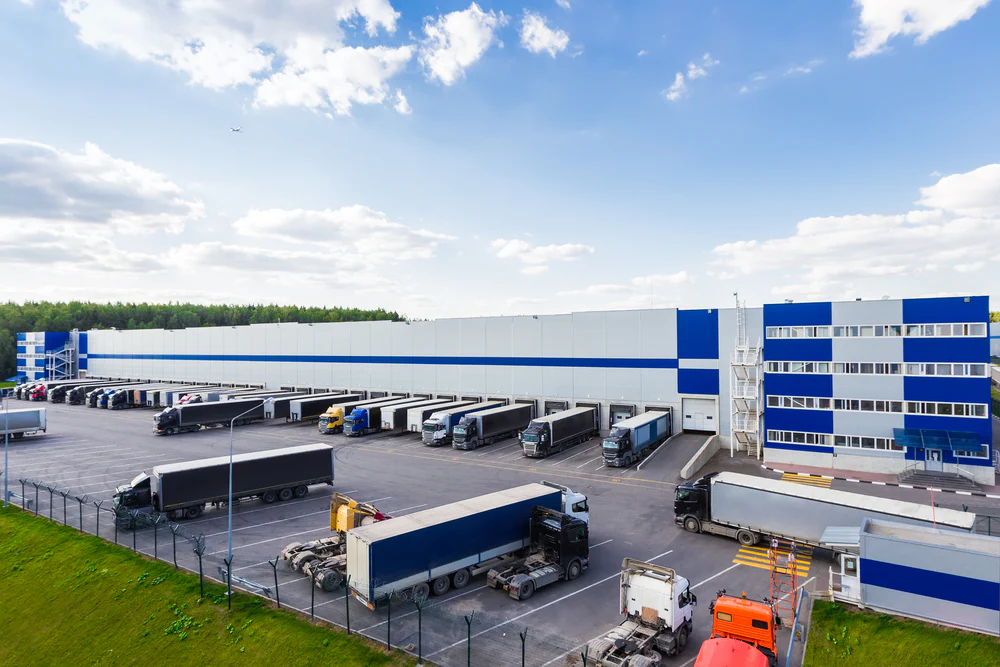
An industrial real estate agency may represent a developer with a logistics park of multiple warehouse units. The agency markets the park to regional distributors, e-commerce players, or 3PLs, tailors floor plans for tenant fit-out, handles lease negotiation, and coordinates build-to-suit construction.
They aggregate multiple lease deals intelligently to maintain synergy among tenants (shared trucking routes, ingress/egress coordination). They also guide the developer on phasing, land leasing, and infrastructure build-out.
Example 2: Flex / Light Industrial Submarket
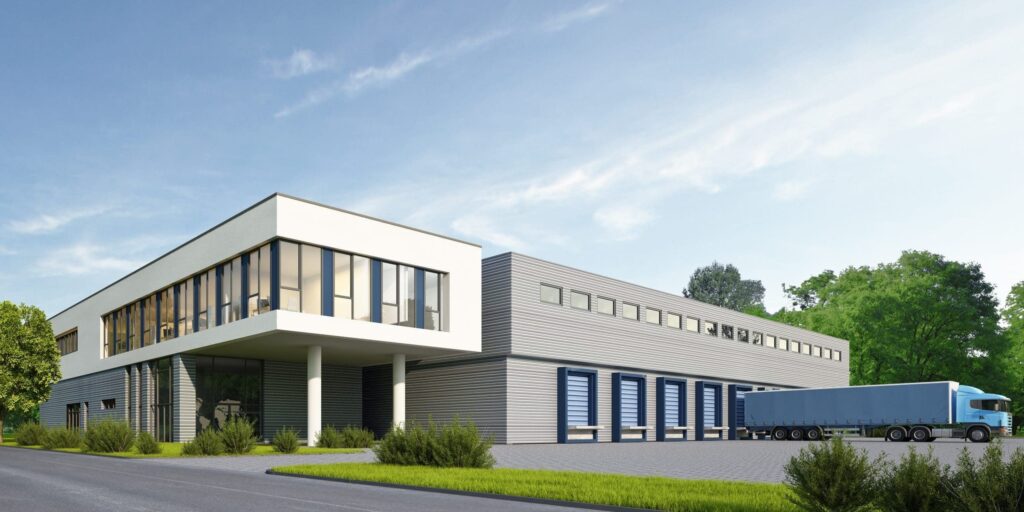
A local industrial agency may focus on flex or light industrial (smaller footprint, mixed use). They help match small manufacturers, service businesses, or prototyping firms with flexible units. The agency negotiates lease terms that permit adaptation, ingress/egress, shared docks, and custom shell improvements.
Because the tenant base is varied, the agency must understand diverse tenant needs and coordinate shared common area systems and service models.
Example 3: Infrastructure Upgrade Advisory
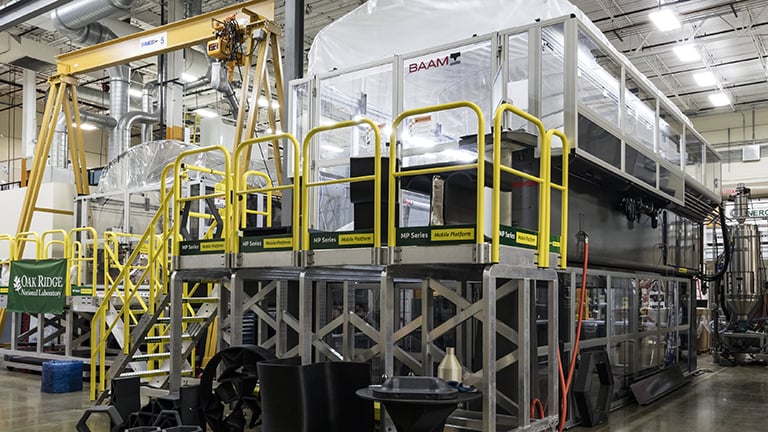
An agency may advise existing industrial property owners on upgrades (adding power, EV charging, solar, automation readiness) to reposition the building as premium industrial space. They analyze which upgrades deliver yield enhancement, market repositioning, and tenant attraction. They then source tenants who would pay premium for modern infrastructure.
Example 4:a Cold Storage / Temperature-Controlled Leasing
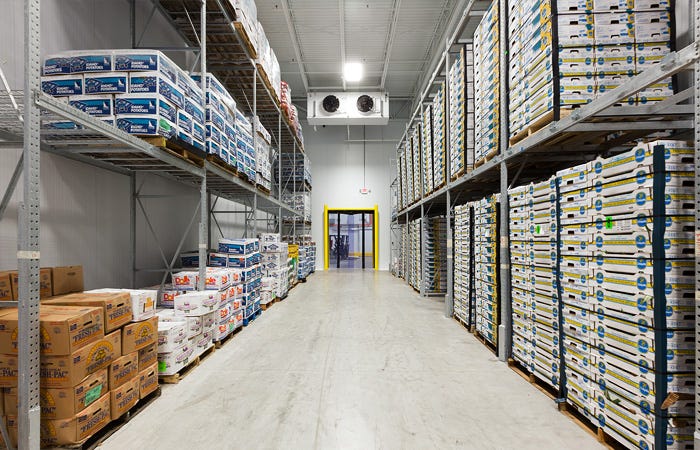
Industrial agencies operating in cold chain sectors broker cold storage and refrigerated facilities. These are specialized leases with strict temperature maintenance, energy guarantees, backup systems, cooling infrastructure, and redundancy. Agencies must understand technical requirements and negotiate service-level agreements (SLAs) with tenants.
This niche is faster growing and has high barriers to entry, giving agencies with expertise in cold storage a competitive edge.
Benefits of Using an Industrial Real Estate Agency
Market Expertise & Faster Matching
Because industrial agencies specialize in this sector, they know credible tenants, submarkets, and deal structures. They can quickly match supply with demand, reducing vacancy times and improving leasing velocity.
Risk Mitigation & Due Diligence Strength
Agencies guide clients through environmental, structural, regulatory, and site constraints that might otherwise derail deals. Their specialized knowledge reduces surprises and mitigates financial risk.
Optimized Deal Structuring
Industrial leases include complex clauses (TI, expansions, exclusive rights, performance metrics). Agencies bring negotiation leverage and the ability to craft balanced leases that protect the interests of both the landlord and tenant.
Value Creation & Asset Repositioning
Agencies often identify value-add opportunities (e.g. retrofits, automation infrastructure, rezoning, etc.) that increase asset yield and capital growth. Their portfolio advisory capabilities raise long-term returns.
Efficiency & Scalability Through Technology
Their use of tech CRM, GIS, drones, virtual tours speeds deal cycles, reduces overhead, and enables scale. They can manage more listings, prospects, and clients without linear growth in staffing.
Network & Relationship Leverage
Industrial agencies bring established networks: contacts with 3PLs, logistics firms, manufacturers, contractors, utility providers, and institutional investors. That network can generate leads and expedite deals.
Use Cases: Problems Solved by Industrial Real Estate Agencies
Use Case 1: Underutilized Industrial Land
Problem: An owner has a land parcel zoned industrial but lacks access to tenants or visibility into potential uses.
Solution: The agency markets the land to developers or logistics operators, proposes land-lease models, arranges infrastructure extension, and negotiates master leases to offset land carrying costs.
Use Case 2: Tenant Outgrows Space Mid-Lease
Problem: Industrial tenant outgrows the leased footprint but is still locked in mid-term.
Solution: The agency helps negotiate expansion or relocation within the same complex or nearby properties, coordinates fit-out and transitional logistics, and secures continuity.
Use Case 3: Asset Obsolescence in Older Facilities
Problem: An aging warehouse lacks modern features low ceilings, weak floor load capacity, a lack, of power, and and no automation readiness, making it unattractive to tenants.
Solution: The agency assesses renovation or repurposing (e.g. subdividing, retrofitting, adding a mezzanine, increasing power) and markets the asset repositioned. They assist in tenant selection who pay a premium for modernized infrastructure.
Use Case 4: Cross-Border Industrial Expansion
Problem: A logistics company wants to expand into a foreign market but lacks local presence.
Solution: An international industrial real estate agency with local partnerships helps site selection, regulatory advice, lease negotiation, and adaptation to local industrial standards and infrastructure norms.
Use Case 5: Cold Chain or Data Center Conversion
Problem: A client wants to convert a generic industrial warehouse into a cold storage or data center facility.
Solution: The agency helps evaluate feasibility (power, cooling, structural load), assess tenant demand, propose lease structures with energy credits, and broker among technical tenants.
Best Practices & Strategic Tips
-
Specializing in deep industrial nuances in general real estate.
-
Invest mattersh: GIS, drones, modeling, analytics, CRM.
-
Build relationships with industrial occupiers, 3PLs, logistics providers.
-
Structure leases carefully and diligently with clear expansion, escalation, and performance clauses.
-
Always conduct rigorous due diligence environmental, utility, structural.
-
Help clients upgrade oolder stockand to future-proof properties.
-
Maintain proactive marketing pipelines and leasing velocity.
-
Stay current with supply chain trends (reshoring, automation, cold chain).
FAQs
Q1: What is the difference between an industrial real estate agency and a general commercial real estate agency?
An industrial real estate agency is specialized in industrial property with operational and infrastructure knowledge, ,warehouses, distribution, manufacturing, etc A general commercial agency may handle offices, retail, hotels, or mixed-use, with less emphasis on industrial specifications.
Q2: How do industrial real estate agencies get compensated?
Typically via commission on lease transaction value or sale, sometimes with performance incentives or retainers. For large, complex deals, agencies may negotiate tiered fees or success bonuses.
Q3: What skills are most critical for success in industrial real estate agency?
Key skills include market intelligence, technical infrastructure understanding (power, logistics, grading), negotiation acumen, project coordination, relationship building in industrial sectors, and facility of technology tools (GIS, modeling, CRM).