Serviced Office Space The Modern Answer to Flexible Business Needs
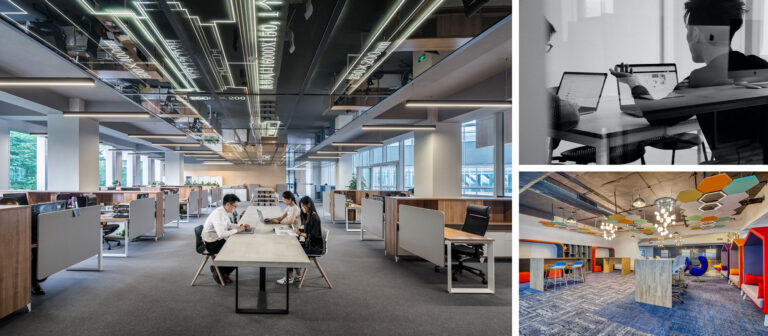
A serviced office space refers to a fully equipped and managed workspace available for rent, typically on a flexible basis. Unlike traditional office leases that require long-term commitments and separate setup costs, serviced offices come ready to use, complete with furniture, internet, reception services, and maintenance.
Tenants can move in and start working immediately without worrying about utilities, cleaning, or facility management. These spaces are often offered by operators who manage multiple office centers across cities, catering to freelancers, startups, and large corporations alike.
Serviced office space is designed to give businesses freedom: the ability to expand, downsize, or relocate quickly without the administrative burden of traditional property leases.
Why Serviced Offices Are in High Demand
In the post-pandemic business landscape, flexibility has become essential. Many organizations are rethinking their workspace strategies, and serviced offices provide an ideal balance between professionalism and agility.
Key reasons for the rising popularity include:
-
Cost predictability: All-inclusive pricing removes hidden expenses.
-
Scalability: Businesses can upgrade or reduce space instantly.
-
Convenience: Facilities are pre-equipped with everything needed to operate.
-
Prestige: Prime locations without high setup costs.
This combination makes serviced office space a cornerstone of the modern hybrid-work movement.
Core Features and Functionality of Serviced Office Spaces
Fully Furnished and Move-In Ready
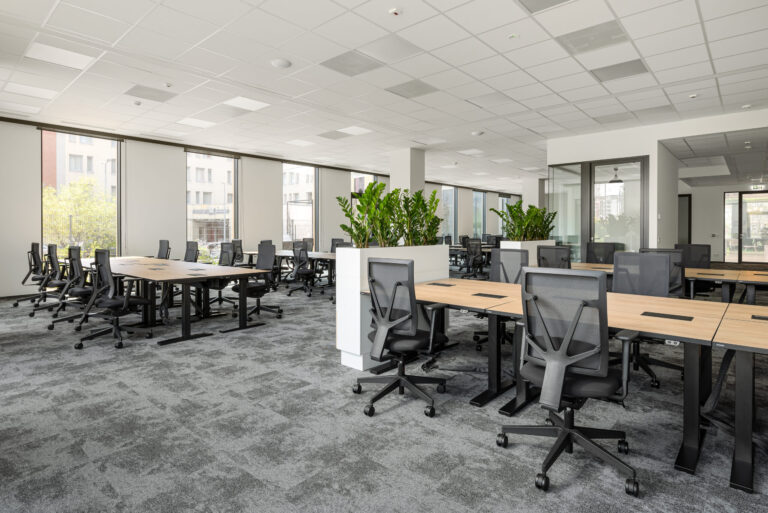
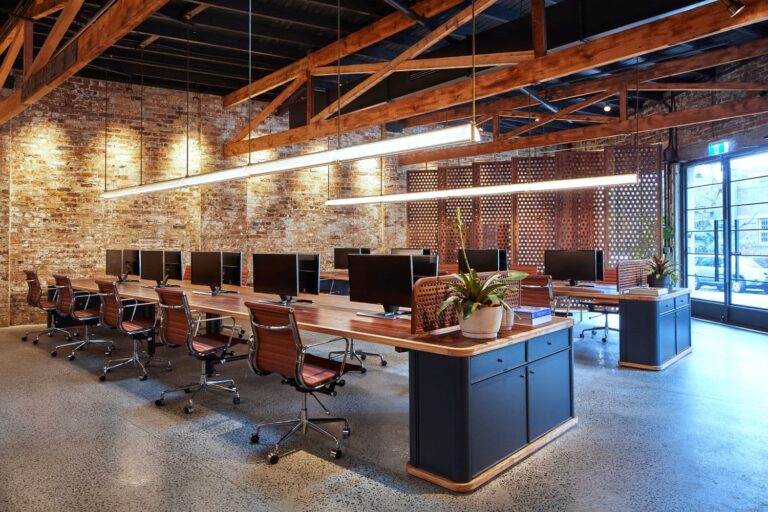
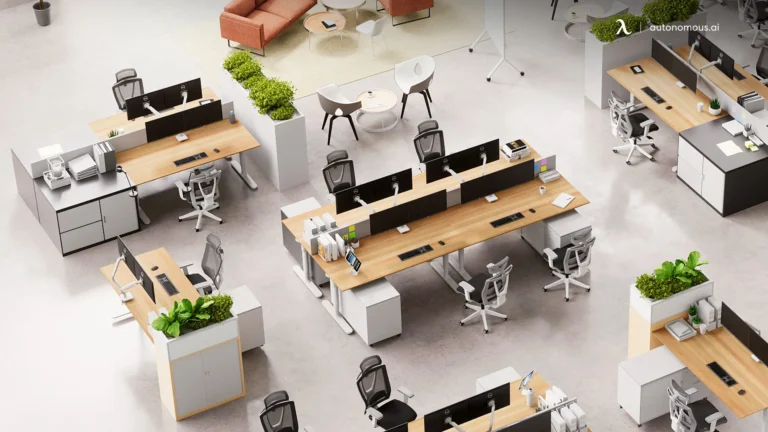
Serviced offices are designed for immediate use. They come equipped with desks, chairs, meeting rooms, and lounges. Businesses can operate within hours of signing the lease, avoiding the weeks or months needed for traditional fit-outs.
Flexible Lease Terms
Tenants can rent serviced offices for days, weeks, months, or years, depending on operational needs. This flexibility is particularly attractive for companies that experience seasonal growth or fluctuating staffing levels.
All-Inclusive Services
Serviced office providers typically include key amenities in their rent package, ranging from high-speed internet and electricity to reception, mail handling, and daily cleaning. This reduces administrative hassle and helps businesses focus on their core operations.
Prime Business Locations
Many serviced offices are located in premium districts, business hubs, city centers, or transport-linked areas. This provides tenants with immediate access to clients, public transit, and networking opportunities.
Shared Facilities
In addition to private suites, most serviced office buildings feature shared meeting rooms, lounges, printing stations, and kitchens. This shared model fosters collaboration and reduces overall operational costs.
Real-World Examples of Serviced Office Spaces
Below are a few real-world examples that illustrate how serviced office spaces operate across different industries and needs.
WeWork Serviced Office Space

WeWork is one of the most recognizable names in the serviced office industry. Its locations around the world offer flexible offices with modern design, open collaboration zones, and on-demand booking options.
Relevance: WeWork demonstrates how serviced office providers blend community, design, and technology. Businesses of all sizes use WeWork’s serviced offices for short- or long-term operations, leveraging shared amenities while maintaining private spaces.
Regus Serviced Office Space
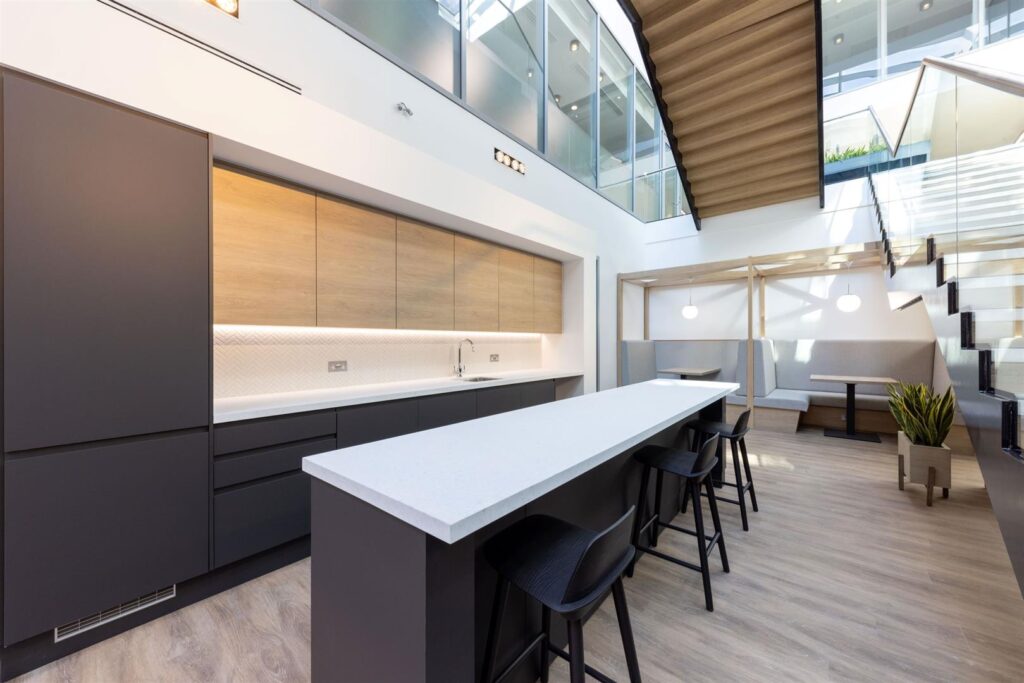
Regus operates in more than 120 countries, offering serviced offices with professional reception, meeting rooms, and 24/7 access. Many of its locations cater to corporate clients seeking private offices with global reach.
Relevance: Regus represents the traditional yet reliable side of the serviced office o del, focusing on professionalism and consistency. It appeals to businesses needing a stable, international presence without managing property ownership.
Spaces by IWG
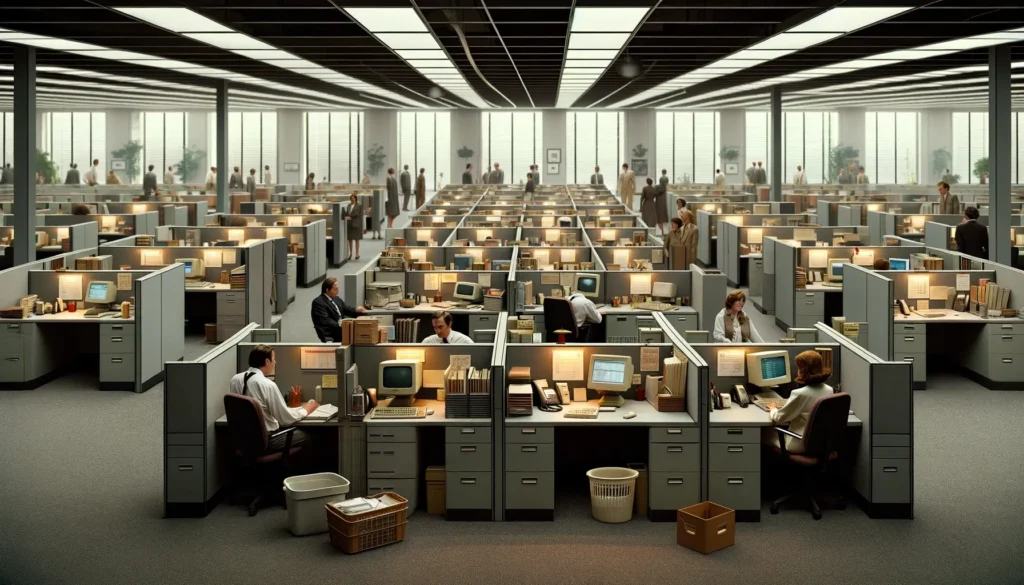
Spaces offers serviced office solutions designed for collaboration and creativity. With open lounges, breakout zones, and customizable private offices, Spaces bridges the gap between coworking and corporate office environments.
Relevance: Spaces highlights the shift in office culture from cubicles to community. It serves startups and established firms alike that want inspiring, technology-enabled workplaces that foster innovation.
Benefits of Serviced Office Space
Reduced Setup Time and Costs
Traditional office setups can take months to prepare. Serviced office spaces eliminate that delay by providing ready-to-use environments. Businesses save on design, construction, and equipment costs.
This instant availability makes serviced offices ideal for rapid business launches, expansion projects, or temporary teams managing short-term contracts.
Predictable Expenses and Budget Control
Serviced offices typically operate on an all-inclusive pricing model, covering rent, maintenance, internet, cleaning, and utilities in one monthly bill. This predictability allows businesses to plan their budgets more accurately without worrying about unexpected maintenance fees or rate increases.
Professional Image and Networking Opportunities
Renting a serviced office in a prestigious location enhances corporate image. It also provides access to a professional community, enabling organic networking, partnerships, and client referrals.
Scalability and Flexibility
Businesses can easily expand or contract based on operational needs. Whether hiring new staff or scaling down, serviced offices allow smooth transitions without the risk of long-term lease penalties.
Ideal for Hybrid Work Models
In the age of remote work, companies increasingly need adaptable spaces for meetings and collaboration. Serviced offices serve as central hubs where hybrid teams can gather, maintaining cohesion while minimizing permanent overheads.
The Role of Technology in Serviced Office Space
Smart Building Systems and Automation
Modern serviced offices use smart technology to manage building operations efficiently. Automated lighting, temperature control, and air quality monitoring ensure comfort and sustainability. These systems adjust in real-time based on occupancy levels.
Seamless Connectivity and IT Support
Serviced office providers invest heavily in high-speed internet, secure networks, and IT infrastructure. Many offer on-site technical support and enterprise-grade security, ensuring reliable operations for digital and data-driven businesses.
Digital Access and Booking Systems
Tenants can use apps to book meeting rooms, access buildings, and manage billing. Digital platforms streamline the tenant experience, eliminating paperwork and enabling 24/7 flexibility.
IoT and Data Analytics
Sensors collect data on space usage, helping providers optimize layouts and tenants reduce costs. Analytics reveal occupancy patterns, enabling smarter decisions about workspace utilization.
Enhanced Security Systems
Serviced offices integrate access control, CCTV monitoring, and visitor management technology. Tenants benefit from secure, automated environments that protect data and physical assets.
Real-Life Use Cases for Serviced Office Space
Startups and Entrepreneurs
Serviced offices allow startups to establish credibility quickly. Founders gain professional addresses, meeting rooms, and operational infrastructure without the financial burden of long leases. The flexibility to scale up as they grow makes serviced offices particularly appealing.
Expanding Companies
When established businesses open new branches or test new markets, serviced offices provide a low-risk entry point. Teams can operate locally without navigating complex property contracts or high capital investment.
Remote and Hybrid Teams
Companies transitioning from remote-only work to hybrid models use serviced offices as collaboration hubs. Employees can meet weekly or monthly to strategize, brainstorm, and maintain company culture.
Corporate Project Teams
Large organizations often rent serviced offices for temporary projects, mergers, or contract-based work. These spaces ensure privacy and productivity without disrupting the main office setup.
International Firms
For overseas companies entering new markets, serviced offices provide instant presence. With everything managed locally, international teams can operate seamlessly while focusing on business development.
Benefits of Technology in Day-to-Day Operations
Streamlined Communication
Integrated digital systems support unified communication tools like video conferencing and cloud collaboration platforms. Teams can connect effortlessly across locations and time zones.
Productivity and Comfort
Smart climate systems, ergonomic setups, and soundproof meeting pods enhance employee well-being and focus. Technology ensures comfort while optimizing energy use.
Sustainability and ESG Goals
Many serviced office providers align with corporate sustainability goals through eco-friendly infrastructure — LED lighting, efficient cooling systems, and recycling programs. Businesses benefit from reduced carbon footprints while meeting ESG standards.
Efficient Facility Management
IoT-based maintenance alerts and real-time energy monitoring minimize downtime. This ensures consistent uptime for tenants and enhances the longevity of facilities.
Practical Steps to Find the Right Serviced Office Space
-
Define Your Business Needs.
Consider team size, budget, and duration of stay. -
Choose the Right Location.
Pick areas with access to clients, transport, and talent. -
Compare Amenities.
Look for inclusive features like internet, reception, and security. -
Inspect the Office.
Check lighting, acoustics, connectivity, and furniture quality. -
Review Lease Terms.
Understand flexibility clauses, renewal policies, and included services. -
Evaluate Technology Infrastructure.
Ensure the provider supports high-speed connectivity and IT support. -
Plan for Growth.
Select a provider that allows quick expansion or downsizing.
Frequently Asked Questions (FAQ)
Q1: What is included in a serviced office space lease?
Most serviced office leases include furniture, utilities, internet, cleaning, and reception services. Some may also provide meeting room access, security, and IT support — all under a single monthly payment.
Q2: Are serviced offices suitable for long-term use?
Yes. While traditionally viewed as short-term solutions, many serviced offices now accommodate long-term tenants. The flexibility of contracts means businesses can stay indefinitely while enjoying full amenities.
Q3: Who should use serviced office spaces?
Serviced offices suit startups, freelancers, corporations, and international firms seeking flexibility. They’re also ideal for companies adopting hybrid work or needing temporary project-based work.
Conclusion
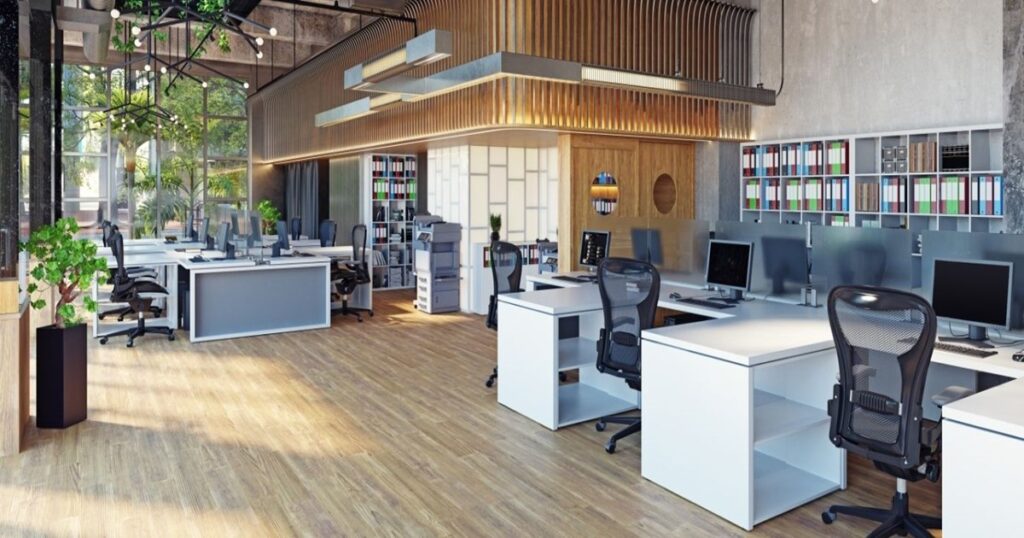
The serviced office space model represents the future of business flexibility, combining convenience, technology, and cost efficiency into a single solution. It removes barriers associated with traditional leases, allowing companies to move faster, work smarter, and adapt effortlessly.
Whether you’re an entrepreneur launching a new venture or a global enterprise seeking satellite offices, serviced office spaces provide everything you need to operate effectively. With integrated technology, premium amenities, and adaptable contracts, they redefine how businesses occupy and manage workspace in the modern era.