Leading Industrial Property Companies Insights, Trends & Practices
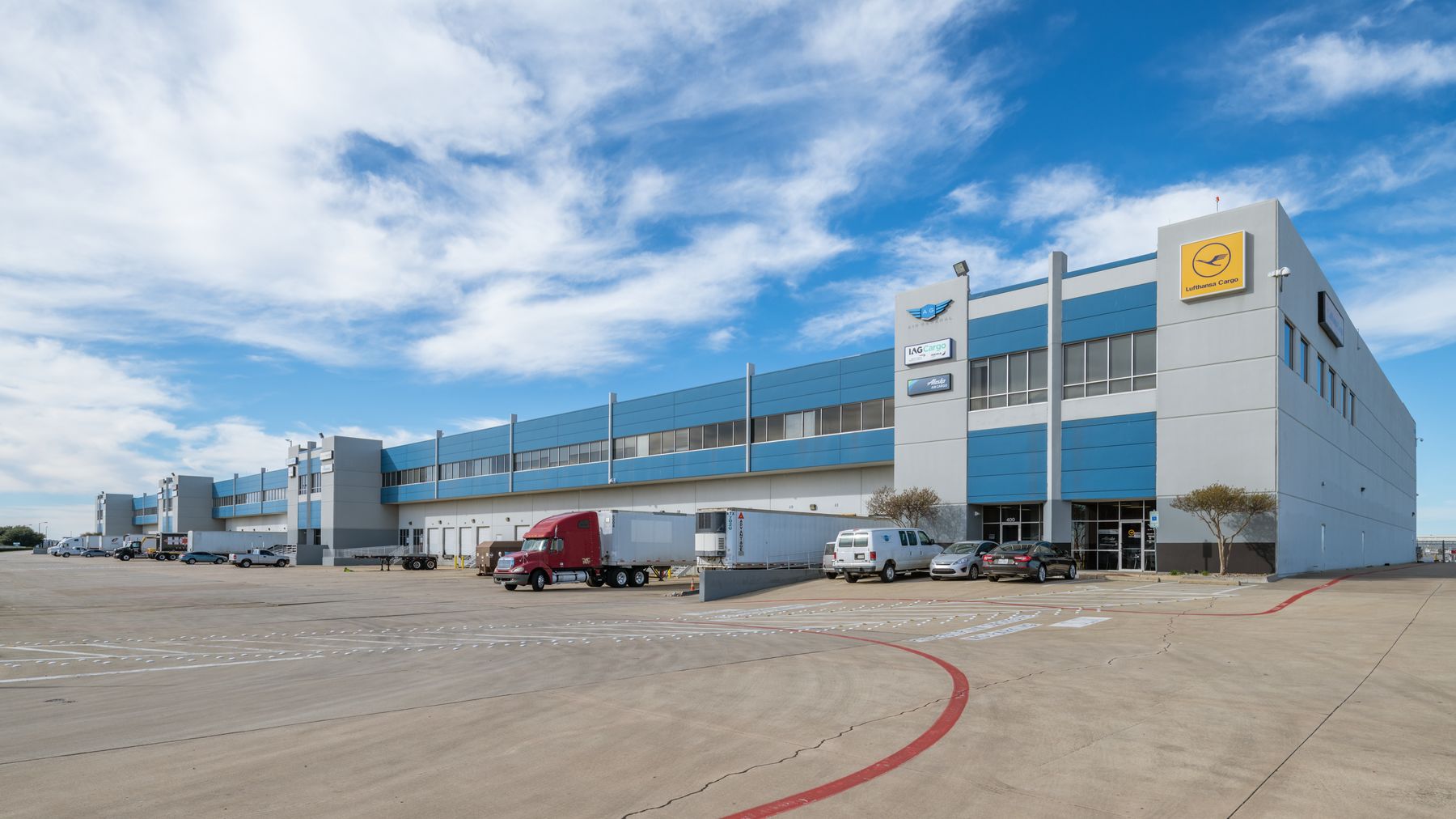
Industrial property companies are specialized real estate firms that invest in, develop, manage, and lease industrial and logistics assets warehouses, manufacturing facilities, distribution centers, and storage yards. In today’s rapidly shifting economy, driven by e-commerce, automation, and supply chain complexity, these companies are playing a critical role in shaping how goods move, how businesses operate, and how investment capital is allocated.
This article dives deep into the world of industrial property companies: how they work, their strategic differentiators, technology adoption, real-world examples, benefits, use cases, and answers to common questions.
What Defines an Industrial Property Company & Why It Matters
Industrial property companies differ from general commercial real estate firms by specialization and operational model. They focus on creating value in real estate serving industrial uses: manufacturing, warehousing, distribution, logistics, and related infrastructure.
These companies often combine capital investment, development expertise, property operations, leasing, and asset management in a vertical model. Their value comes from anticipating logistics demand, optimizing layout and design for industrial tenants, and continuously improving operational efficiencies.
Because industrial properties are deeply linked to supply chains, their location, design, and technological infrastructure are more demanding. Industrial property companies must understand not just real estate but also manufacturing workflows, transportation nodes, trucking logistics, and automation.
The demand for industrial real estate has surged in recent years, due to the growth of e-commerce, the reshoring of manufacturing, and global supply chain resilience imperatives. Industrial property companies thus occupy a strategic niche at the intersection of real estate and logistics infrastructure.
Key Business Models & Strategies of Industrial Property Companies
Acquisition, Development, and Value-Add Strategies
Many industrial property companies pursue core, value-add, and even development strategies:
-
Core: acquiring stabilized industrial assets with strong tenants and predictable cash flows.
-
Value-add: acquiring underperforming properties or older buildings and repositioning them (e.g., upgrading loading docks, improving roofing, modernizing HVAC, subdividing large spaces).
-
Development / Speculative: developing new logistics or warehouse projects in fast-growing corridors, anticipating tenant demand.
These firms often maintain a pipeline of development projects to replenish and grow their portfolio. Because industrial real estate often requires significant site preparation, infrastructure, and regulatory approval, the development arm is a critical differentiator.
Successful industrial property companies deploy a mix of these strategies to balance stability and growth.
Geographic & Market Focus
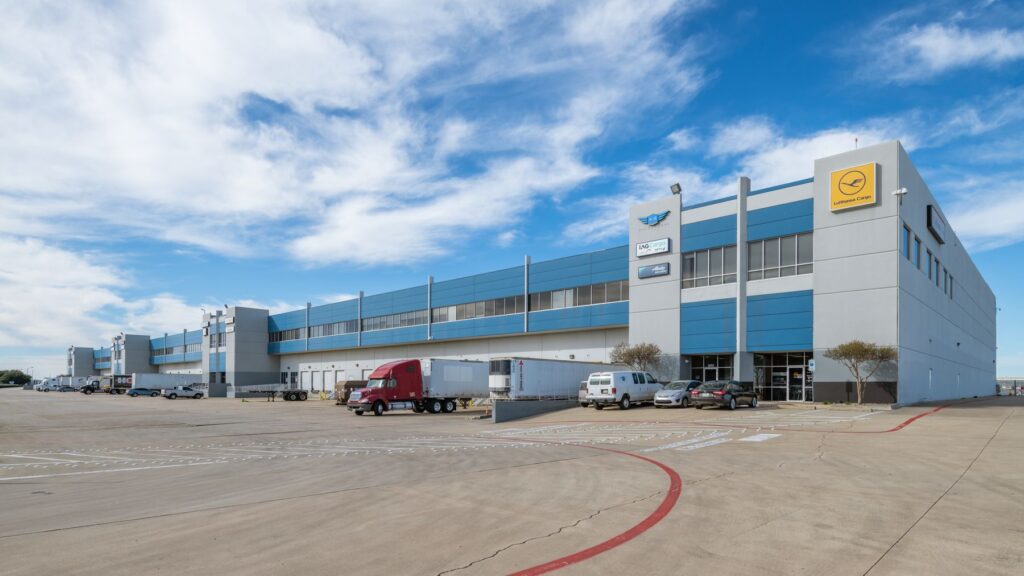
Industrial property companies often specialize in strategic logistics hubs, metros with strong transportation connections, highways, ports, and proximity to consumer markets. Some prefer secondary or tertiary markets where land is less expensive but growth potential exists.
They may adopt a regional focus to build local expertise or expand nationally to diversify market risk. Portfolio diversification across multiple logistics corridors is a common risk mitigation tactic.
Integrated Operations & Asset Management
Because industrial assets require specialized operations, maintenance of docks and loading equipment, site drainage, security, and trucking access, industrial property companies often integrate property management, operations, leasing, and tenant relations under one roof.
This integration ensures alignment between how a building is designed and how it will be operated. It reduces friction between development and operations teams, leading to smoother handoffs and cost efficiencies.
Companies that succeed tend to standardize operations across their portfolio (e.g, maintenance protocols, preventive systems, tenant communication platforms) rather than managing each site in siloed fashion.
Capital Structuring & Institutional Partnerships
Industrial property companies commonly form joint ventures with institutional investors, pension funds, or private equity to secure capital for large-scale acquisitions or developments.
They structure funds (e.,g. industrial real estate funds) as a series of vehicles that pool investor capital and deploy into discrete assets. This allows them to scale faster, share risk, and align incentives with external capital.
They also actively manage leverage, refinancing windows, and capital recycling to optimize returns and liquidity.
Technology Integration & Competitive Advantage
Industrial property companies increasingly embrace PropTech (property technology) and digital tools to streamline operations, improve decision-making, and enhance tenant experience.
Data Analytics, Predictive Modeling & Portfolio Insights
Leading firms build or adopt proprietary analytics platforms to evaluate new acquisitions: modeling rental projections, absorption trends, vacancy dynamics, operating cost sensitivity, and market comparisons.
These platforms help in underwriting decisions, scenario analysis, and risk assessment. Over time, the data collected from existing properties feeds back into improved predictive accuracy.
Analytics can also drive portfolio-level decisions: which assets to redeploy capital into, when to divest, and where development should be focused.
Automation & IoT in Facility Management
Industrial property companies are using Internet of Things (IoT) sensors, automated building management systems (BMS), and smart HVAC, lighting, and security systems. These tools monitor energy use, facility condition, equipment performance, and environmental factors in real time.
By employing predictive maintenance, they can detect equipment degradation before failure, thus reducing downtime and repair costs.
Digital Tenant Engagement & Operations
Modern industrial tenants often demand digital interface portals for lease management, service requests, utility tracking, and communication. Property companies that offer transparent dashboards, mobile apps, and streamlined workflows can improve tenant satisfaction and retention.
Additionally, integrating logistics workflows (e.g., scheduling inbound/outbound trucks) with property systems can further enhance operational synergy.
Integrated Deal Platforms & Workflow Tools
Industrial property companies streamline internal processes by using workflow tools for deal sourcing, underwriting, document management, and internal collaboration. These platforms reduce errors, speed up time-to-close, and ensure compliance.
Together, technology adoption is a differentiator. Firms that master data and digital operations often outperform peers who rely on manual, legacy systems.
Real-World Examples & Use Cases
Below are real-world examples of industrial property companies or projects illustrating strategies, operations, and technology leverage.
Example 1: Panattoni Development Company
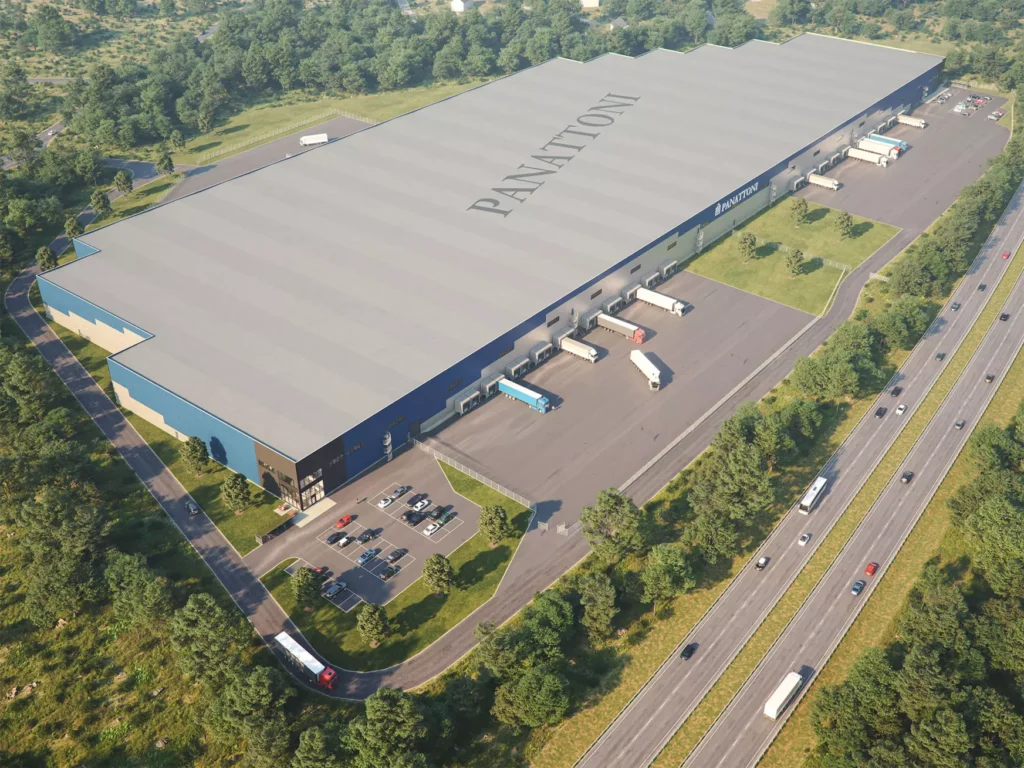
Panattoni is an international industrial real estate developer with a strong presence in the U.S. and Europe. It has delivered hundreds of millions of square feet of warehouse and industrial space across many markets.
Panattoni builds speculative industrial projects (i.e., before tenant commitment), leveraging its deep market insight, pre-leasing strategies, and development scale. Because of its size and reputation, Panattoni often secures strong financing, economies of scale, and project efficiency.
In many cases, Panattoni’s developments attract top logistics tenants, enhancing its brand and pipeline. Its ability to execute large-scale, cross-border industrial logistics projects makes it a benchmark in the sector.
Example 2: A National Industrial REIT with Automated Operations
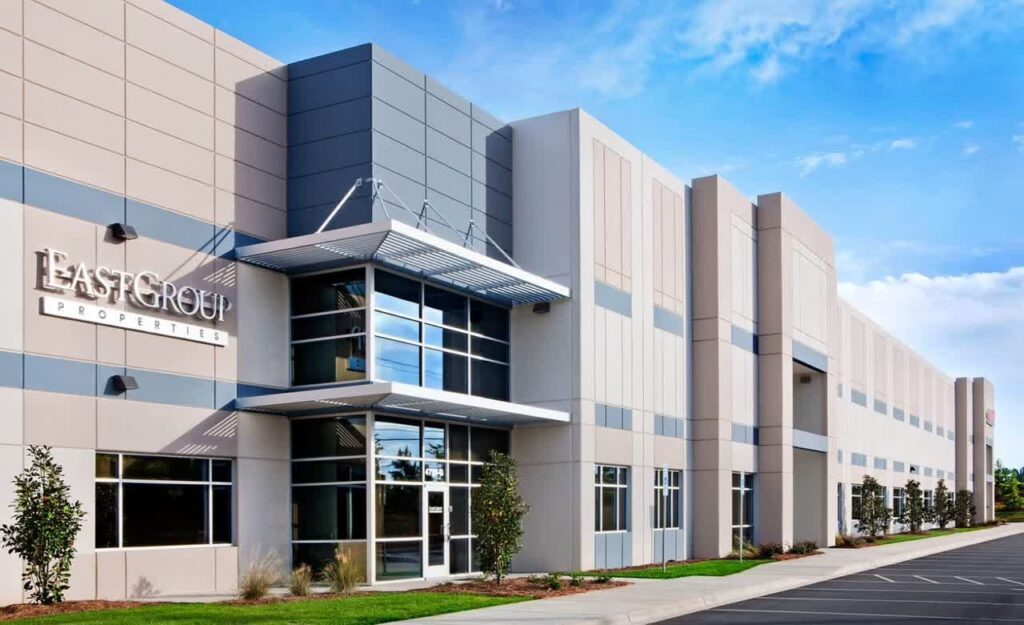
Consider a hypothetical industrial REIT (Real Estate Investment Trust) that owns a portfolio of modern distribution centers. This company invests in IoT-enabled HVAC, lighting, security, and energy management across its assets.
By collecting real-time data, it can adjust energy consumption, detect anomalies (e.g, water leaks, HVAC faults), and schedule maintenance proactively. The REIT also offers tenant dashboards for water use, electricity, lease payments, and service requests.
Because of tech-enabled operations, this REIT realizes savings in utilities, lower maintenance costs, and stronger tenant retention, bringing quantifiable operational advantage.
Example 3: Regional Industrial Operator Focused on Fill-in Markets
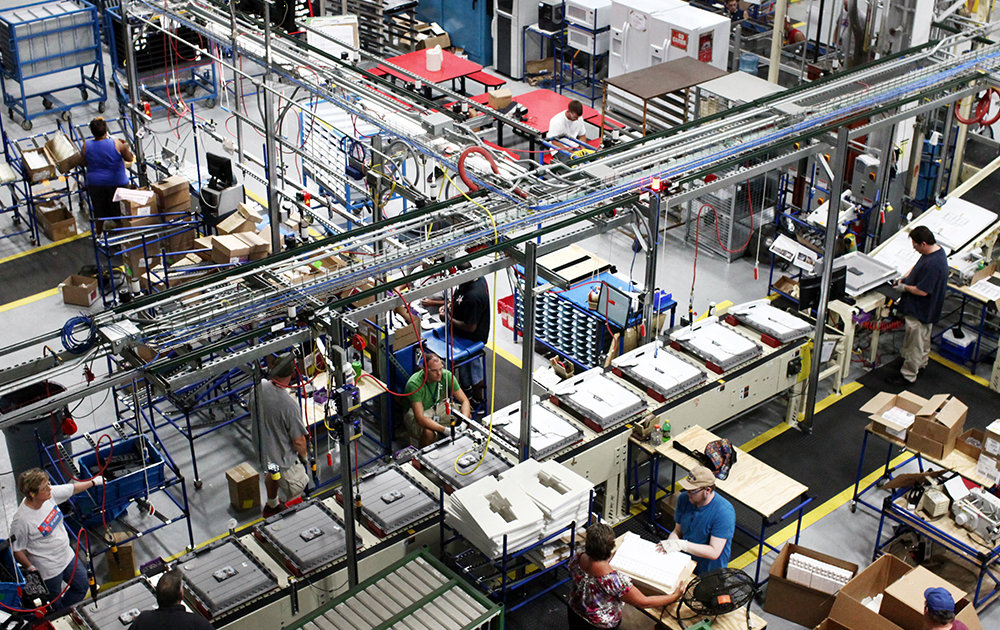
A mid-sized industrial property company specializing in “infill” urban logistics, no, des small distribution hubs close to dense populations, acquires modest warehouse buildings and repurposes them.
They retrofit older buildings with improved clear height, upgraded docks, lighting, and improved floor coatings. They also incorporate digital tenant services (e.g., online service tickets) and automation (e.g, dock scheduling systems).
The company emphasizes agility: smaller deals, quicker closings, and opportunistic acquisitions. Over time, their portfolio in multiple urban-suburban corridors offers both income stability and upside from rental growth.
Use Cases & Practical Scenarios
Use Case: Meeting Last-Mile Delivery Demand
Problem: Retailers and e-commerce firms need logistics facilities near population centers for fast delivery, but large industrial parks are often too distant.
Solution: Industrial property companies deploy infill distribution centers or retrofitted warehouse spaces close to demand centers. They optimize layout for parcel movement, receiving, and dispatch, enabling quicker delivery times.
Such properties bridge the gap between large logistics hubs and final delivery, offering a strategic advantage in speed and cost.
Use Case: Repurposing Aging Industrial Assets
Problem: Some industrial buildings are aging, inefficient, and underutilized, yet located in desirable zones.
Solution: Industrial property firms acquire these assets and reposition them, improving structural elements, reconfiguring floor plates, upgrading docks, and modernizing building systems. They may also adopt digital systems and automation to raise rent and reduce operating costs.
This value-add approach unlocks hidden value and increases asset yields.
Use Case: Consolidation of Small Industrial Parcels
Problem: Many small industrial parcels exist, owned by individual landlords with limited resources, and underperforming due to a lack of scale or management.
Solution: Industrial property companies aggregate these fragmented assets, create operational scale, centralize maintenance, and standardize tenant services.
Through consolidation, they achieve operational leverage, reduce overhead, and improve returns for both the company and investors.
Use Case: Tech-Enabled Risk Management & Decision Making
Problem: Industrial real estate investments have the risk of market shifts, tenant default, and operational surprises. Traditional methods may not detect problems until too late.
Solution: Use data analytics, predictive modeling, and performance dashboards across the portfolio to monitor risk factors: occupancy changes, capex needs, deferred maintenance, and lease expirations.
By doing so, management can anticipate cash flow issues, schedule capital expenditure proactively, and reallocate underperforming assets before they erode value.
Benefits of Industrial Property Companies & Technology Use
Efficiency, Scalability & Cost Control
Technology and process standardization allow industrial property companies to scale without proportional increases in overhead. Shared services, centralized platforms, and automation reduce redundant tasks and lower per-asset costs.
Enhanced Tenant Relations & Retention
Offering digital systems, predictive maintenance, and transparent communication increases tenant satisfaction. Tenants who feel they receive responsive, modern service are more likely to renew.
Higher Asset Valuations & Yield Improvement
Operational improvements and cost savings translate into higher net operating income (NOI). When capital markets underwrite industrial assets, NOI growth directly boosts valuations. Value-add repositioning and technology integration often generate outsized returns.
Risk Mitigation & Portfolio Resilience
Continuous monitoring, forecasting, and early detection of maintenance risks or vacancies help protect cash flows. Diversifying across geographies and logistics markets reduces exposure to localized disruptions.
Alignment with Investor Expectations
Institutional investors increasingly demand transparency, sustainability, and digital capabilities. Industrial property companies that adopt technology and data-driven operations are better positioned to partner with large capital sources.
Frequently Asked Questions
Q1: What types of properties do industrial property companies typically manage?
Industrial property companies work with warehouses, distribution centers, manufacturing facilities, cold storage, truck terminals, and industrial outdoor storage facilities. They often classify assets by size, design, clear height, dock count, and flexibility to tenant use.
Q2: How do industrial property companies differentiate from traditional commercial real estate firms?
The main differences lie in specialization and operations. Industrial property firms understand logistics, loading operations, site planning, transportation access, and supply chain needs. They also often integrate development, facility operations, and tenant services under one model, whereas general CRE firms may outsource or treat properties passively.
Q3: What are the main challenges for industrial property companies in adopting technology?
Challenges include legacy systems, data silos, integration across properties, upfront investment costs, resistance to change in operations teams, and ensuring cybersecurity. Effective adoption requires change management, standardization, and alignment between leadership, IT, and operations.