Industrial Property Management Strategies, Technology & Use Cases
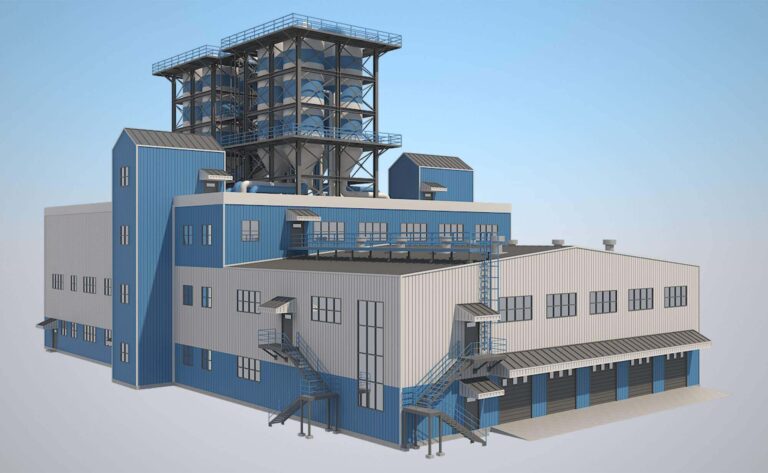
Industrial property management is the discipline of overseeing, maintaining, and optimizing industrial real estate assets warehouses, distribution centers, factories, cold storage, and light-industrial spaces. Because industrial facilities have specialized functions, large operational overheads, and critical tenant needs, managing them well is both challenging and high-impact.
This article dives deep into what industrial property management entails, the roles and responsibilities, the use of technology, real-world examples, benefits, practical use cases, and frequently asked questions.
What Is Industrial Property Management & Why It Matters
Defining Industrial Property Management
Industrial property management covers all tasks required to maintain, operate, and enhance the performance of industrial real estate. Key responsibilities include facility maintenance, tenant relations, compliance and safety, lease administration, capital expenditures, logistics coordination, and space utilization. Because industrial assets are capital-intensive and often mission-critical to tenants’ operations, property managers must be proactive, highly technical, and aligned with both landlord and tenant goals.
Industrial management differs from standard commercial or residential property management in the scale of infrastructure, mechanical systems, industrial operations, logistics flows, and site safety. Maintenance is not merely cosmetic; it extends to structural floors, power distribution, heavy equipment, dock doors, HVAC for large volumes, and regulatory compliance.
The Importance of Effective Industrial Management
Proper management of industrial properties yields multiple benefits:
-
Maximizing uptime and reducing downtime: Industrial tenants rely on facility reliability. Every hour of downtime can cost large sums, especially in production or distribution operations. A competent manager minimizes disruptions.
-
Extending asset life and controlling capital costs: Through preventive maintenance and strategic capital planning, managers can delay large replacements, thus protecting the owner’s investment.
-
Optimizing space and logistics flow: Efficient layouts, racking, dock utilization, and internal circulation help tenants use the property fully, increasing tenant satisfaction and retention.
-
Mitigating risk & ensuring compliance: Industrial properties are subject to safety, environmental, and code regulations. Managers must ensure compliance to avoid liabilities, fines, or closure.
-
Enhancing value & attractability: Well-maintained, tech-enabled, and efficient industrial buildings command higher rents, lower vacancy, and attract higher-credit tenants.
In short, industrial property management is a critical engine for value preservation and growth in industrial real estate portfolios.
Key Responsibilities & Processes in Industrial Property Management
Facility Maintenance & Infrastructure
The backbone of industrial property management is maintaining all core systems. This includes preventive maintenance, inspections, repair schedules, and emergency response for mechanical, electrical, HVAC, plumbing, roofing, loading docks, fire systems, and structural elements.
Industrial managers often develop lifecycle maintenance plans detailing schedules for routine inspections, major overhauls, and capital replacements. They also keep maintenance logs, monitor performance, and adjust plans according to usage. Because industrial components are rugged and carry high usage, degradation is faster than in standard buildings, so diligence is essential.
Additionally, facility upgrades (e.g, higher clear height, more loading bays, reinforced floors) often stem from management oversight aligned with tenant or market demand. The property manager works with engineers and contractors to design these improvements and schedule them with minimal disruption.
Tenant Relations & Lease Management
A significant part of industrial property management is liaison with tenants. This ranges from lease enforcement (ensuring tenant obligations are met) to coordinating tenant requests for modifications, handling disputes, and renewal negotiations.
Because industrial tenants may make heavy customizations (racking, conveyors, mezzanines), lease terms must clearly define responsibility for structural modifications, maintenance, and restoration obligations. Managers oversee move-ins, tenant improvement projects, coordinate with contractors, and ensure work adheres to safety and structural standards.
Further, managers conduct regular tenant meetings, gather feedback, and track performance metrics (e.g., energy use, maintenance calls) to anticipate tenant needs and reduce turnover.
Operational Oversight & Logistics Support
Industrial properties often host operations that require coordination: material flows, truck traffic, yard management, staging zones, loading dock scheduling, and traffic control. Property managers frequently engage in coordinating hours, access, dock door allocation, and yard usage.
They also monitor site security (gates, cameras, access control), site lighting, signage, stormwater management, parking areas, and external infrastructure. In multi-tenant parks, managers may coordinate shared services like site roads, landscaping, and common utilities.
Capital Expenditures & Strategic Upgrades
Industrial assets require periodic capital investment: replacing major mechanical systems, structural framing, roof replacement, dock door systems, or adding new infrastructure (e.g, solar panels, EV charging, refrigerated units).
The manager must prepare CapEx budgets, perform cost-benefit analyses, prioritize projects based on return, and manage the implementation timeline. The coordination with engineers, contractors, permitting authorities, and tenant disruption mitigation falls under their purview.
Compliance, Safety & Risk Management
Industrial buildings are subject to health & safety regulations, environmental laws (for chemical storage, emissions), fire codes, OSHA, local industrial zoning, and site safety protocols. The manager must stay abreast of evolving regulations, coordinate inspections, maintain necessary certifications, and implement site safety protocols (spill control, hazardous materials, emergency egress).
They also manage insurance, risk transfers, safety audits, contractor oversight, and maintain documentation for audits or incidents.
Technology in Industrial Property Management
Modern industrial property managers must lean on technology; it is no longer optional but essential. Below are major technology domains and benefits:
Smart Building Systems, IoT, & Sensors
Industrial properties increasingly embed monitoring sensors and IoT systems to collect real-time data: temperature, energy consumption, humidity, vibration, equipment status, occupancy, and structural health.
These sensors enable predictive maintenance, detecting anomalies in motors, HVAC, or conveyor components before they fail, thus preventing costly downtime. The system can trigger automated alerts or maintenance orders when thresholds are breached.
Temperature/humidity sensors, especially in cold storage or sensitive operations, ensure environmental compliance. Smart lighting and HVAC systems dynamically adjust based on usage or time, reducing energy consumption.
Building / Facility Management Platforms & Integrated Systems
Property managers use enterprise property management systems or building management systems (BMS) to centralize control, track maintenance orders, lease documents, vendor contracts, and operational dashboards. Integration across systems (accounting, lease administration, facilities, security) is critical to avoid silos.
Integrated Workplace Management System (IWMS) or Computer-Aided Facility Management (CAFM) suites help manage space, maintenance, asset tracking, and capital projects in one platform.
Such platforms provide analytics, dashboards, trend reporting, and forecasting, allowing managers to make data-driven decisions.
AI / Analytics & Predictive Modeling
By analyzing historical performance, environmental data, and tenant usage, AI models can forecast maintenance needs, energy usage spikes, or tenant churn probability. This proactive approach reduces unplanned costs and improves tenant satisfaction.
For example, AI can flag which HVAC unit is likely to fail soon, or when dock door motors may require replacement, allowing preemptive scheduling.
Remote Monitoring & Digital Twins
Digital twin technology (a virtual model of the physical facility) enables simulations: what-if scenarios, layout optimization, stress testing, and energy modeling. Managers can overlay changes before executing them in the real world.
Remote monitoring allows managers to observe metrics and alarms off-site, adjust systems, and diagnose issues without needing physical presence.
Drones, Dataloggers & Autonomous Inspections
Insert image of a drone inspecting a warehouse roof
Drones can inspect roofs, facades, and hard-to-reach areas after storms or for routine inspections, capturing images or thermal scans. This reduces manual labor, improves safety, and accelerates issue detection.
Similarly, autonomous inventory drones or UAVs (coupled with RFID) are used in smart warehouses to perform stock counts, movement audits, and supply chain traceability.
Energy & Sustainability Tools
Industrial managers often deploy energy management platforms or energy intelligence systems to monitor usage, identify inefficiencies, and propose optimization measures (e.g., shift loads, demand response).
Sustainability tools support ESG reporting, carbon tracking, and benchmarking against industry standards. This is increasingly demanded by institutional owners and tenants.
Real-World Use Cases & Examples
Here are several real-world use cases or projects illustrating industrial property management strategies and technologies in practice. Each demonstrates how advanced management improves operational outcomes.
Example 1: Smart Logistics Park with Integrated BMS

A large logistics park designed to serve multiple e-commerce operators deployed an integrated BMS that monitors HVAC, lighting, structural sensors, and energy usage. The property manager uses the platform to optimize energy scheduling (e.g, ramping down HVAC in unused zones), predict maintenance needs, and remotely issue work orders.
Because the BMS interfaces with tenant portals, tenants can submit facility requests, which the manager monitors centrally. The result: lower operating costs, higher tenant satisfaction, and better asset valuation.
Example 2: Cold Storage Facility with Environmental Controls
A cold storage warehouse holding perishable goods relies on extremely tight temperature and humidity control. The property management team uses IoT sensors and real-time monitoring to detect deviations immediately and trigger alarms. Backup refrigeration systems, power redundancy, and energy optimization logic ensure continuous operation with minimal waste.
Here, technology is mission-critical; any lapse means spoilage, which can cost tenants (and the manager) dearly. Use of continuous monitoring and automated response is essential.
Example 3: Multi-Tenant Industrial Park with Shared Infrastructure
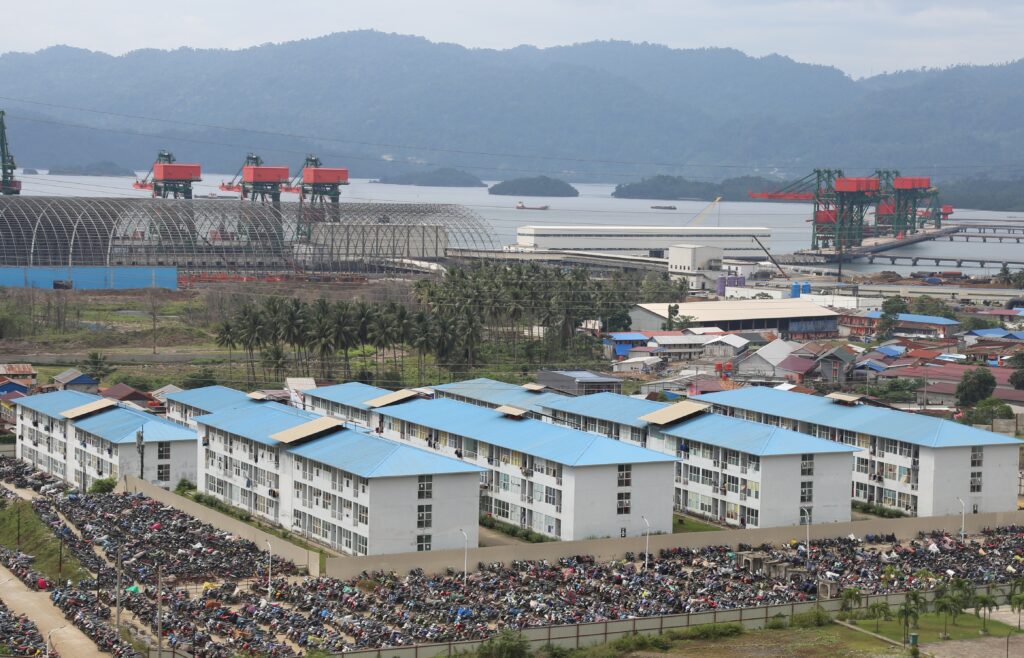
Consider an industrial park housing several tenants across warehouses, small manufacturing units, and distribution. The management oversees shared roads, external lighting, landscaping, stormwater, and security systems.
The manager integrates a property management system (PMS) to allocate costs proportionally, issue work orders across units, monitor shared systems, and coordinate vendor tasks. Tenant portals allow individual tenants to log maintenance requests, which the manager consolidates efficiently.
Through active management and shared cost transparency, the park keeps high occupancy, controlled expenses, and smooth operations.
Example 4: Autonomous Warehousing & Inventory Drones
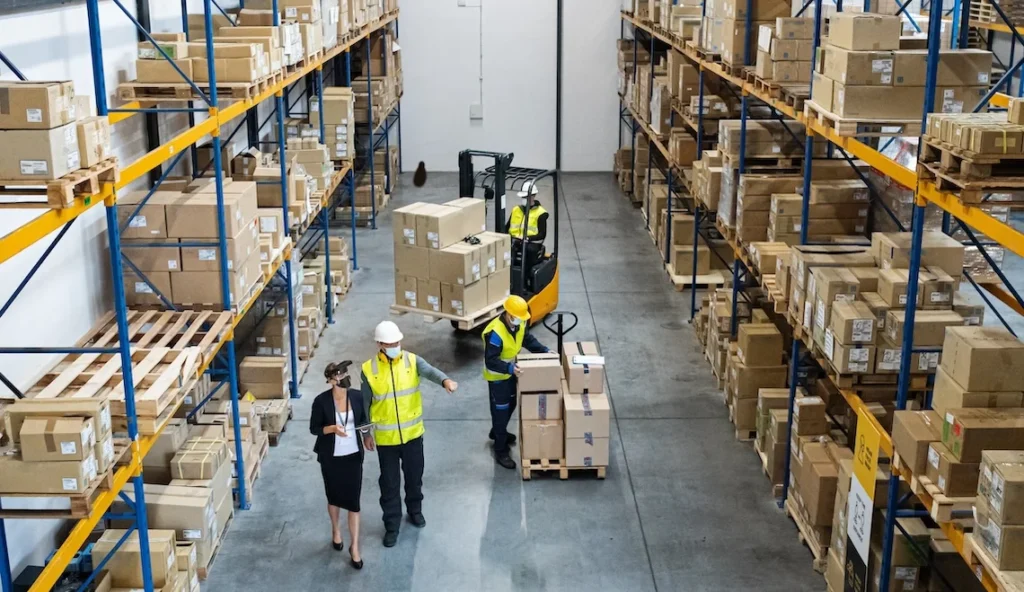
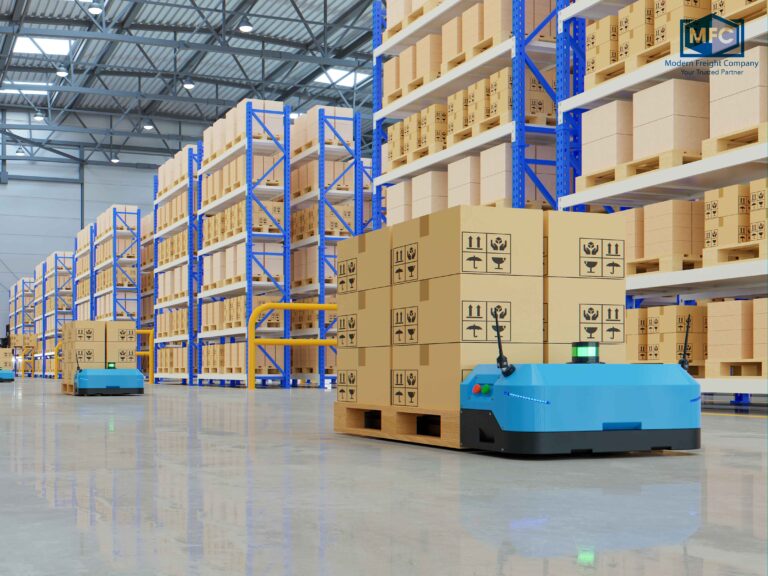
In a highly automated warehouse, management integrates UAVs + RFID + blockchain to automate inventory checks and supply chain traceability. Drones fly through aisles, read RFID tags, validate inventories, flag discrepancies, and upload data to the central system. Blockchain ensures data integrity and auditability.
This use case shows how property management extends into operations – not just building maintenance, but enabling or supporting tenant operations through advanced infrastructure.
Benefits of Professional Industrial Property Management
Below are structured benefits and practical advantages of employing expert industrial property management.
Reliability & Uptime Assurance
Reliable facility performance is foundational. Skilled management ensures that systems operate continuously and maintenance is proactive rather than reactive. Downtime is minimized, which is critical for tenant operations (logistics, production, warehousing).
Cost Control & Efficiency
With economies of scale (in multi-tenant sites) and data-driven approaches, property managers optimize maintenance, negotiate vendor contracts, and reduce wasteful expenses. Predictive maintenance avoids costly emergency fixes.
Enhanced Asset Value & Rent Premium
Well-managed, technology-enabled industrial assets command higher market rents, lower vacancies, and strong investor interest. The credibility of a well-run property attracts higher-credit tenants.
Risk Mitigation & Compliance
Industrial properties face legal, environmental, and safety risks. Proactive compliance, audits, safety protocols, and documentation help prevent liabilities, lawsuits, and regulatory fines.
Tenant Retention & Satisfaction
Responsive service, well-maintained infrastructure, transparency in costs, and modern amenities improve tenant experience, extending lease renewals and reducing turnover.
Strategic Growth & Scalability
Implementing robust systems and technologies allows portfolio scaling. Managers can replicate processes, centralize oversight, and standardize operations across multiple sites.
Use Cases: Problems Solved by Industrial Property Management
Use Case 1: Reducing Unexpected Equipment Failures
Problem: A tenant’s critical HVAC compressor fails unexpectedly, threatening production.
Solution: Predictive monitoring identifies early warning signs, triggers maintenance before failureavertsng downtime and large repair costs.
Use Case 2: Managing Shared Infrastructure in Industrial Parks
Problem: Multiple tenants share roads, lighting, stormwater systems, and landscaping, leading to disputes and uneven cost allocation.
Solution: A centralized management system tracks usage, issues invoices proportionally, logs issues, and maintains transparency, reducing conflicts.
Use Case 3: Environmental & Safety Compliance
Problem: A tenant stores hazardous materials. Noncompliance or spills could lead to regulatory fines or site shutdown.
Solution: The manager enforces safety protocols, conducts periodic audits, implements containment systems, and ensures proper permit documentation to reduce risk.
Use Case 4: Energy Efficiency & Cost Reduction
Problem: Energy bills in a large warehouse are skyrocketing.
Solution: Real-time energy management, load shifting, occupancy-based HVAC control, and analytics reduce usage. The savings flow directly to the tenant or owner benefit.
Use Case 5: Facilitating Tenant Capacity Expansion
Problem: A tenant’s business is growing; they need additional space or modifications mid-lease.
Solution: The property manager oversees design, build-out, phasing, coordination with other tenants, and ensures minimal disruption to ongoing operations.
Best Practices & Strategies
-
Implement preventive & predictive maintenance rather than reactive fixes.
-
Invest in integrated tech platforms with open APIs and data interoperability.
-
Standardize processes and documentation across sites for scalability.
-
Engage tenants actively—regular meetings, feedback loops, performance reports.
-
Prioritize safety and compliance to preempt liabilities.
-
Budget for CapEx and future upgrades rather than deferring investments.
-
Use data and KPI dashboards to monitor performance (energy usage, maintenance costs, downtime, tenant satisfaction).
-
Train staff on new tech and change management; human adoption is key.
FAQs
Q1: How is industrial property management different from regular commercial property management?
Industrial property management deals with heavier infrastructure, large mechanical systems, logistics flows, safety protocols, and tenant operations. The scale and technical demands are higher than typical office or retail management.
Q2: What technologies are crucial in modern industrial property management?
Key technologies include IoT sensors, predictive maintenance, integrated management platforms (BMS, IWMS, CAFM), drones for inspections, AI analytics, energy intelligence systems, and digital twin models.
Q3: Can small industrial properties benefit from these practices? Yes, seven smaller warehouses or light industrial buildings benefit from preventive maintenance, digital recordkeeping, tenant portals, and basic IoT sensors. Though Thougthe h scale is smaller, the principles still apply and deliver ROI.