New York Office for Rent Everything You Need to Know Before Leasing
The New York City office market has experienced shifts in recent years due to remote work trends, economic fluctuations, and evolving tenant expectations. However, in 2025, we see signs of recovery: leasing volumes in Manhattan reached 8.4 million square feet in Q2, the highest quarterly total since late 201 . The market is under pressure, especially for premium Class A space, and many firms are seeking offices to rent in New York that offer both flexibility and prestige.
Vacancy rates have been under scrutiny, with older Class B/C spaces suffering more than high-end buildings. Because tenants are increasingly seeking quality, we see a “flight to quality” effect moving from lower-spec buildings into upgraded ones. In the mid-2025 outlook, prime supply is tight, and landlords with well-positioned, modern office buildings are regaining bargaining power.
Given hthe igh demand for premium offices and the limited supply, market conditions now favor landlords of high-spec space. That means tenants searching for a New York office for rent must understand trade-offs in location, upgrades, flexibility, and tech infrastructure.
Key Submarkets and Price Tiers
When looking for a New York office for rent, location is critical. The major submarkets include Midtown (East, West, South), Midtown South, Downtown/Lower Manhattan (Financial District, Tribeca), and emerging districts (Hudson Yards, Brooklyn).
As of mid-2025, average asking rents in Manhattan hover around $74.73 per square foot per year for office space. But within that, premium Class A buildings in prime corridors command significantly higher rates. The disparity between Class A and Class B/C space is wide. Thus, to compete, tenants must balance location prestige, amenities, and cost.
Because many tenants now demand flexibility, serviced and flexible office solutions are expanding. The flex office and coworking market in NYC grew by about 6.34% from 2024 to 2025 This expansion suggests that more firms are opting for flexible leases rather than traditional long-term commitments, especially in high-cost markets.
What to Evaluate When Seeking a New York Office for Rent
Location, Access & Neighborhood Character
Choosing which neighborhood to locate afin fects both cost and business dynamics. Midtown is ideal for corporate visibility, client access, and transit. Downtown offers proximity to financial institutions, courts, and lower rents in some cases. Emerging areas like Hudson Yards or parts of Brooklyn (DUMBO, Williamsburg) offer growth potential and modern design appeal.
Ease of commute, access to subways, PATH, regional rail, and even pedestrian convenience matter heavily for employees and for clients. Walkability, local amenities (cafés, restaurants, parks), and prestige also shape the desirability of an office location.
Building Class, Condition & Fit-Out Potential

Offices to rent in New York vary in condition and specification. Some spaces are delivered as a shell (with core services installed), some are partially fitted, and others are full turnkey. Tenants must verify that power capacity, HVAC, ceiling heights, window lines, daylight access, ADA compliance, and infrastructure meet needs.
Older buildings may have charm but may lack capacity for modern demands (data cabling, raised floors, cooling loads). Newer or refurbished workplaces typically offer higher energy efficiency, better floor plates, and smart systems. The cost of upgrading or retrofitting is a major consideration in total occupancy cost.
Lease Terms, Flexibility & Inclusion
Traditional full-service leases often include base rent plus operating expenses, real estate taxes, and other costs. In contrast, tenants might pursue modified gross leases or full-service leases where many services are included.
Increasingly, flexible office leases or serviced offices allow shorter terms, expansion or contraction, and inclusive services. Many operators now permit month-to-month or quarterly terms. Tenants should confirm which utilities or services are included (security, cleaning, HVAC, internet) and which are billed separately.
Negotiation points include tenant improvement allowances (fit-out contributions), rent-free periods, a cap on operating expense increases, and flexible expansions or relocations.
Real-World Example Offices to Rent in New York
Below are three illustrative examples of offices currently offered or recently leased in New York. Each gives insight into the kind of spaces available, their features, and trade-offs.
590 Madison Avenue, Midtown
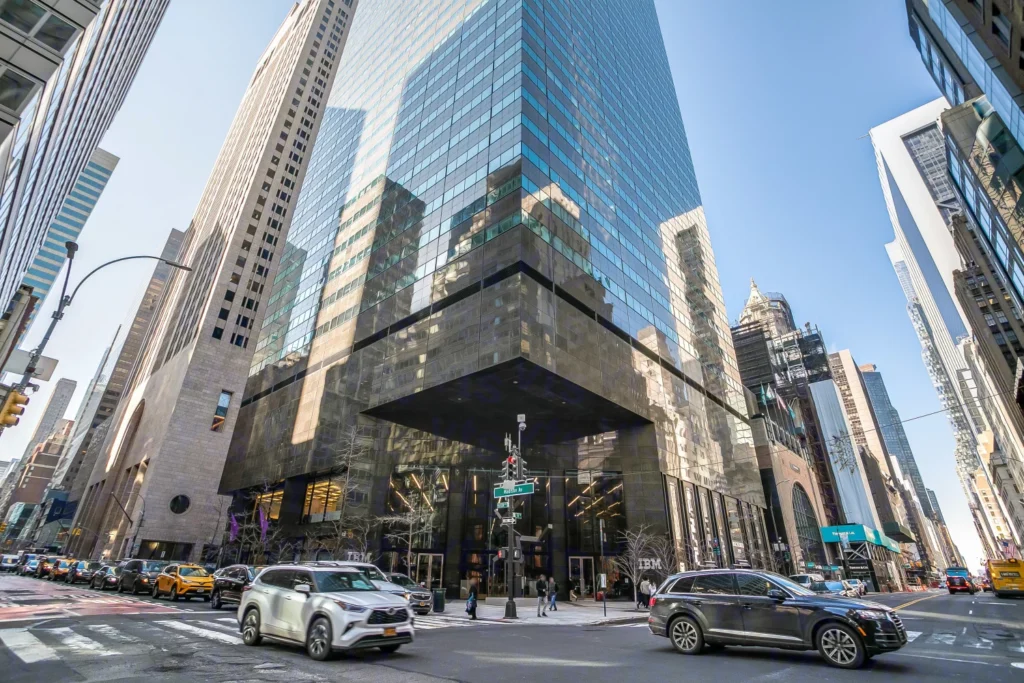
590 Madison Avenue is a trophy property in Midtown, renovated in recent years. It offers high-spec cores, modern amenities, and visibility. As of 2025, it was up for sale with a 77% occupancy rate, reflecting demand for quality space. Tenants attract premium pricing due to the building’s prestige and infrastructure.
This example shows that high-end, well-located buildings still command attention and premium lease rates. Tenants leasing in such properties expect world-class finishes, stable systems, and high expectations from landlords.
Broadgate Tower / similar NYC high-rise
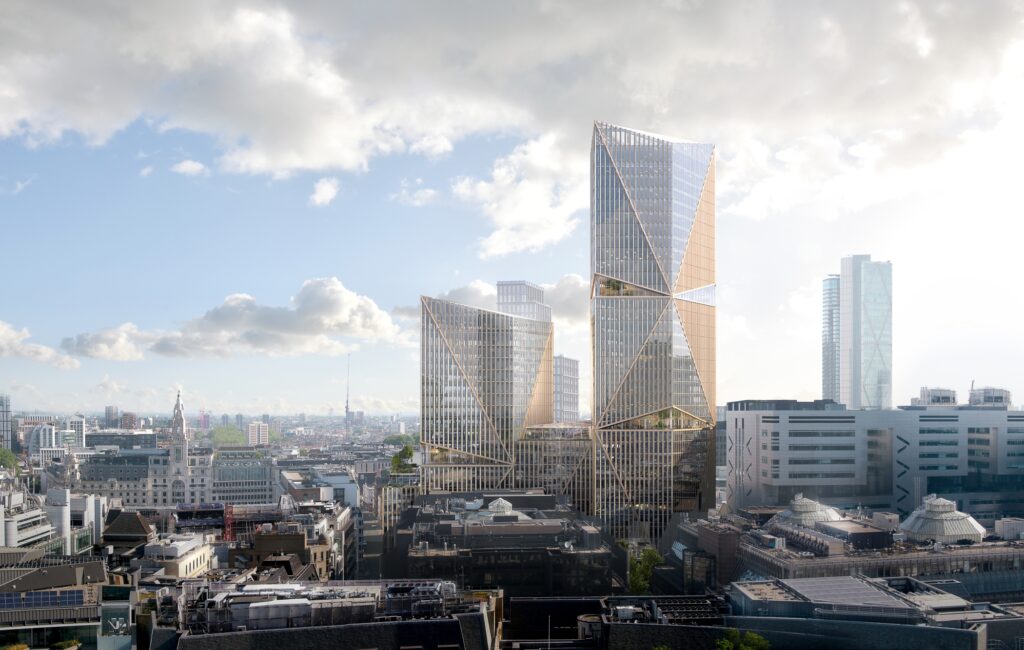
Though Broadgate Tower is a London example, its analog in New York aisthe tall towers with integrated amenities, located near transit hubs. In NYC, buildings like One Vanderbilt, 30 Hudson Yards, or 4 Times Square fit that mold. These towers offer prime views, large floor plates, and integrated systems whthatommand high rents but also deliver high returns.
For larger tenants requiring entire floors or multiple floors, these buildings provide consistency, brand projection, and technical reliability.
Serviced/Flex Office in Manhattan

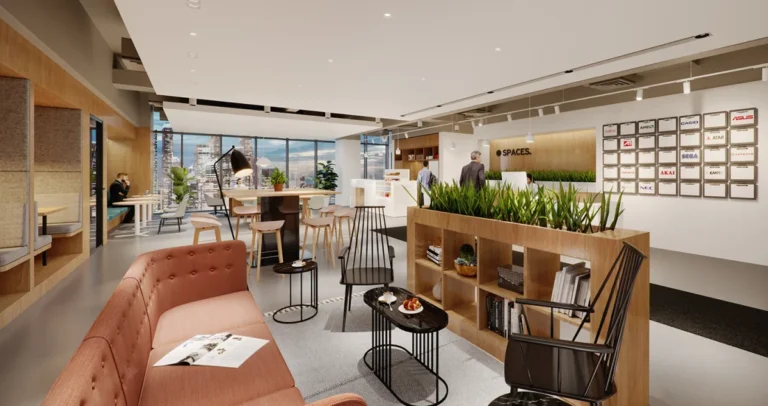
Several coworking/service office providers in New York offer plug-and-play enclosures in prime neighborhoods. For instance, in 2025 th,e flexible office sector is expanding across the city, becoming an attractive alternative to full office lease. These spaces allow firms to rent anywhere from a few workstations to full floors, with shared amenities like conference rooms and coa ncierge.
This example shows how the New York office for rent market is blending traditional leases with flexible, serviced models, catering to businesses that need agility without sacrificing location.
From these examples, tenants can see rent tiers from ultra-premium towers to serviced flex spaces, and understand trade-offs between cost, branding, infrastructure, and flexibility.
Benefits of Renting an Office in New York
Visibility, Prestige & Brand Positioning
Having a New York address, especially in Midtown or Downtown, provides instant gravitas. It signals stability and status to investors, clients, and partners. The right location elevates brand perception.
Access to Talent, Clients & Partnerships
NYC is a global hub. Being located in the city ensures proximity to clients, networks, collaborators, and talent. It makes running conferences, workshops, and face-to-face meetings easier.
Technology & Infrastructure Readiness
Premium NYC offices generally include strong infrastructure: redundant power, high-speed fiber, advanced HVAC, smart systems, and building automation. Tenants benefit from already-provisioned infrastructure.
Flexibility & Scale
Flexible lease offerings allow businesses to adapt, expand, shrink, or relocate as needed. This flexibility is especially beneficial in uncertain markets or fast-growing companies.
Consolidated Operations & Efficiency
Renting quality space with integrated services reduces administrative overhead. Cleaning, security, utilities, and IT support are managed, enabling internal teams to focus on core work.
How Technology Enhances New York Offices to Rent
Smart Building Controls
Many modern NYC office buildings integrate systems for lighting, temperature, shading, and air quality. These adapt dynamically to occupancy, reducing waste and improving user comfort.
Connectivity & Data InfrastructureHigh-bandwidthh, low-latency connectivity is expected. Buildings often include multiple fiber providers, redundant paths, and prewired infrastructure to support cloud, conferencing, and hybrid work.
IoT & Analytics
Sensors capture utilization metrics, environmental data, and load patterns. Operators use analytics to optimize HVAC schedules, floor layouts, and energy usage, improving efficiency and lowering bills.
Access & Security Systems
Mobile access, biometric entry, smart visitor management, and CCTV help maintain safety while streamlining the user experience. Tenants expect seamless, secure access without friction.
Collaboration Tools Integration
Offices now often include built-in AV systems, wireless presentation, virtual meeting rooms, and digital dashboards to support hybrid and remote collaboration.
These technologies shift a space from basic to intelligent, giving tenants value beyond bricks and mortar.
Use Cases & Real-World Scenarios
Expanding a Regional Business into NYC
A firm with headquarters outside New York may lease a small office in Manhattan to establish a local presence. This allows client meetings, brand credibility, and local staff without overcommitting.
Project Teams or Temporary Operations
When firms run time-limited projects, a NYC office to rent can serve as a hub. The flexibility of short leases and plug-and-play setups means operations begin immediately.
Startups Seeking Premium Address with Low Risk
Startups often can’t commit to long leases and fit-outs. Renting serviced or flex offices in prime NYC neighborhoods lets them present a polished face to investors and clients while retaining agility.
Hybrid and Distributed Teams
Post-pandemic, many businesses operate remotely but still need a physical anchor. Renting NYC office space for occasional gatherings, strategy sessions, or hybrid work helps maintain cohesion.
Corporate Relocation or Renovation Overlap
If a company is relocating or refurbishing its main HQ, a temporary NYC office ensures continuity. The move-in-ready model ensures minimal disruption.
Each scenario shows how the “New York office for rent” option solves real constraints: setup time, cost, flexibility, and professional presence.
Benefits of Technology in Day-to-Day Office Use
-
Operational Efficiency: Automated systems reduce energy waste, manage load, and simplify facility oversight.
-
Enhanced Productivity: Reliable connectivity, climate control, and smart lighting support optimal working conditions.
-
Scalable Infrastructure: Tenants benefit from systems that can evolve as their business grows.
-
User Experience: App-based services (room booking, room control, visitor access) streamline daily operations.
-
Sustainability: Intelligent building systems support ESG goals by minimizing carbon footprint and resource waste.
Steps to Secure a New York Office for Rent
-
Define Objectives: Team size, lease duration, district preferences.
-
Set Budget Framework: Include rent, operating costs, fit-out, and tech overhead.
-
Shortlist Submarkets: Midtown, Downtown, Midtown South, Hudson Yards, etc.
-
Compare Office Types: Traditional lease, managed office, serviced/flex office.
-
Perform Site Visits & Audits: Evaluate lighting, HVAC, infrastructure,and environmental conditions.
-
Negotiate Terms: Seek TI allowances, break clauses, and service charge caps.
-
Plan Tech & Move-In: Coordinate infrastructure installation, access, networking, and onboarding.
Frequently Asked Questions (FAQ)
Q1: What is the average rent for office space in New York City?
As of August 2025, the average asking rent in Manhattan is about $74.73 per square foot per year. Premium Class A locations often exceed that amount, while Class B/C spaces may be lower, depending on condition, location, and amenities.
Q2: Are shortened or flexible leases common in NYC office rentals?
Yes. The growth in coworking and flex space up 6.34% from 2024 to 2025 in NYC demonstrates strong demand for shorter-term, flexible lease structures .Many providers now offer monthly or quarterly terms.
Q3: Which areas in New York are most desirable to rent office space?
Some of the top districts include Midtown (East, West, South), Midtown South (Flatiron, NoMad), Downtown (Financial District, Tribeca), and emerging zones such as Hudson Yards. Location decisions depend on client access, transit connectivity, and brand priorities.