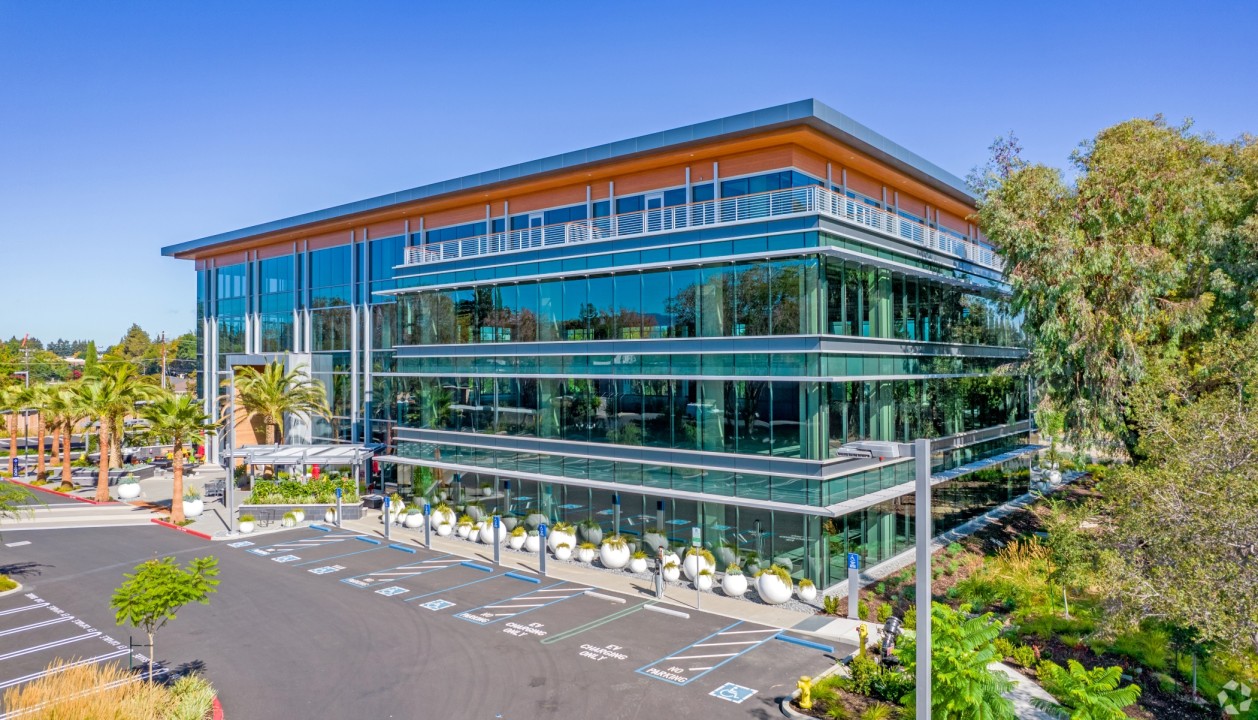
Office Lease Listings: A Complete Guide for Businesses
Office lease listings are structured advertisements that display available office spaces for lease, usually found on online platforms, real estate agency sites, or dedicated commercial property databases. They serve as the bridge connecting property owners and tenants, offering details such as size, location, pricing, amenities, and lease terms.
In essence, an office lease listing functions as a digital catalog entry. It lets potential tenants compare options, evaluate suitability, and begin leasing discussions. Unlike casual rental ads, professional listings typically follow industry standards, providing verified details that support business decision-making.
These listings are vital for both landlords and tenants. For landlords, they serve as the primary marketing vehicle to fill vacancies. For tenants, they provide transparency, accessibility, and comparability when searching for new workspace solutions.
The Evolution of Office Lease Listings
Historically, office leasing relied heavily on brokers and printed directories. Today, the process is almost entirely digital. Listings on platforms like LoopNet, CoStar, and regional commercial databases now integrate photos, floor plans, virtual tours, and contact automation.
Technology has reshaped the way listings are created and consumed. With advanced filters, mapping, and AI-based recommendation systems, tenants can pinpoint ideal spaces faster, even matching by commute time or company headcount.
Office lease listings are no longer static advertisements; they’re interactive marketing assets powered by data, visuals, and analytics.
Core Components of an Effective Office Lease Listing
Comprehensive Property Description
A solid listing should clearly communicate:
-
Property type and address
-
Square footage or total floor area
-
Building class (A, B, or C)
-
Layout and fit-out condition (open-plan, partitioned, turnkey, shell)
-
Available floors or suites
-
Rental rate (per square foot/metre or monthly)
-
Lease term options (short-term, long-term, flexible)
-
Amenities and utilities included
-
Access hours and security features
-
Proximity to public transit and parking availability
The goal is to create clarity while highlighting selling points that align with tenant needs.
Visual Representation & Media
Insert image of the product: A bright, modern open-plan office with natural light and ergonomic furniture.
Visuals drive engagement. Listings with professional photography or 3D tours generate up to double the inquiries compared to text-only listings. A combination of interior shots, building exteriors, and neighborhood views helps tenants visualize potential operations.
High-quality visuals build trust, suggesting that the landlord or broker is professional and transparent.
Accurate Pricing and Lease Terms
Pricing transparency accelerates decision-making. A detailed lease breakdown, base rent, service charges, and escalation clauses prevent confusion later.
Where flexible or serviced models apply, the listing should mention “inclusive rent,” “furnished options,” or “plug-and-play availability.”
Strategic Keyword Optimization
Effective listings integrate location-specific and feature-based keywords such as “office lease listings downtown,” “flexible office lease,” or “Class A office with amenities.” Optimized keywords ensure higher visibility on search engines and real estate platforms.
Proper SEO also means including structured data tags (schema markup) to help search algorithms classify listings accurately.
Real-World Examples of Office Lease Listings
Downtown Corporate Tower Suite

A 5,000 sq ft Class A office in a central business district, offering panoramic city views, on-site gym, concierge service, and secure parking. The listing includes multiple images, a 3D floor plan, and detailed lease options (3–10 years).
Why it works: This listing provides a premium narrative highlighting prestige, infrastructure, and long-term stability. The visuals match the tone, appealing to established companies seeking brand image and client accessibility.
Suburban Business Park Office
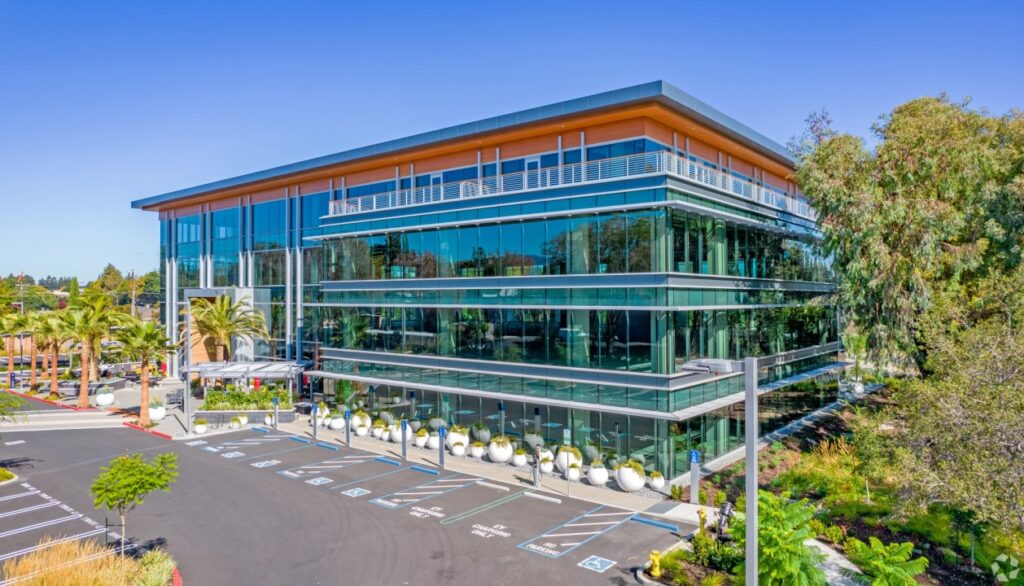
A flexible 1,200 sq ft unit located within a suburban office campus. The ad emphasizes parking, affordability, and connectivity to major highways. It offers 6–12 month leases, with optional furniture.
Why it works: It targets small to medium businesses wanting cost-effective, ready-to-occupy space. The focus on flexibility attracts growing enterprises without long-term commitments.
Co-Working / Shared Lease Listing
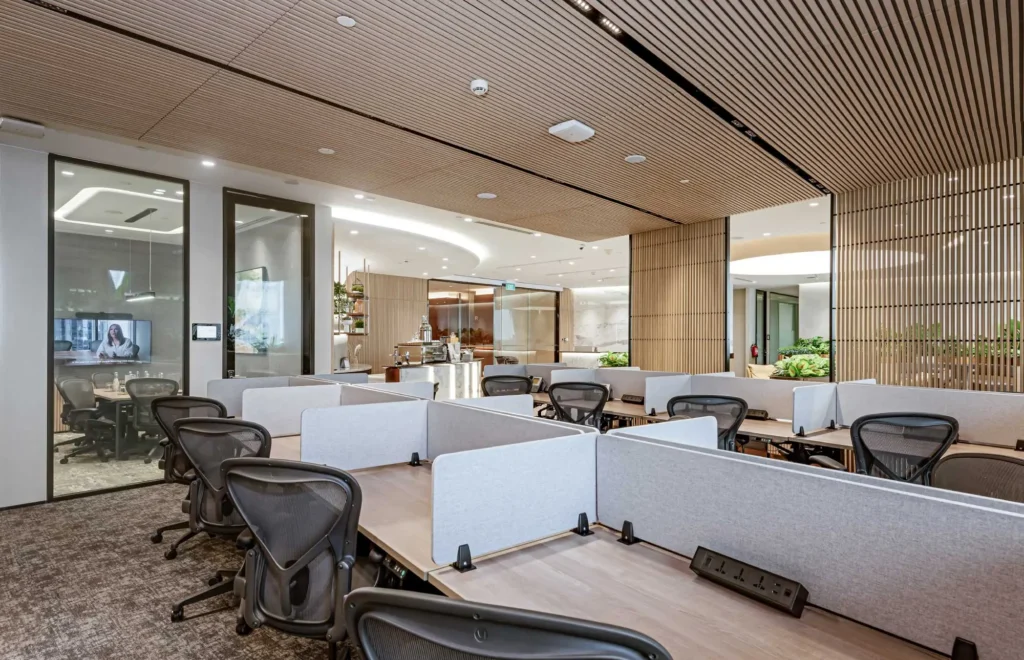
A co-working building listing that promotes flexible office suites, open collaboration areas, and monthly leases. Amenities include high-speed Wi-Fi, meeting pods, and community events.
Why it works: The ad appeals to freelancers, startups, and hybrid teams seeking collaborative environments and short-term agility. The use of keywords like “shared lease,” “flexible workspace,” and “month-to-month contract” improves discoverability.
Renovated Heritage Building Office

A historic property converted into boutique offices, combining exposed brick aesthetics with modern utilities.
Why it works: The ad stands out through its unique architecture and storytelling. Tenants looking for brand personality find emotional value beyond square footage. The description highlights design, culture, and inspiration as key decision drivers in creative industries.
High-Tech Smart Office Space
A newly built smart office with IoT-enabled climate controls, automated lighting, and AI security systems.
Why it works: Emphasizing sustainability and innovation positions the listing toward forward-thinking enterprises. The integration of technology and operational efficiency is a powerful differentiator.
Benefits of Using Technology in Office Lease Listings
Enhanced Visibility Through Data Syndication
Listings can automatically distribute across multiple platforms and broker networks via API connections. This multi-channel visibility boosts reach without repetitive manual posting.
Virtual Reality & 3D Walkthroughs
Interactive tours allow prospects to explore floor layouts virtually, enabling faster decision-making. Especially for out-of-town tenants, VR significantly reduces time-to-lease.
Analytics and Lead Intelligence
Property management systems now integrate dashboards that show impressions, inquiries, and user engagement. Landlords can identify which parts of a listing attract attention (e.g., photos, amenities) and refine content accordingly.
Automation and CRM Integration
Technology enables seamless lead management from inquiries to scheduling tours, tracking conversations, and storing tenant profiles. Automation reduces human error and response delays.
Smart Search Filters and Geo-Mapping
AI-assisted filters enable tenants to find properties not just by location or price but by commute time, walkability, and sustainability scores. Geo-mapping visually displays available listings within a radius, making exploration intuitive.
These technological advancements streamline leasing operations, enhancing efficiency for both landlords and tenants.
Advantages of Well-Structured Office Lease Listings
Saves Time for All Parties
Detailed listings minimize unnecessary inquiries and site visits by providing clarity upfront. This allows brokers to focus on serious prospects.
Improves Tenant Experience
Comprehensive listings reflect professionalism, building trust early. Tenants feel informed and confident before making contact.
Reduces Vacancy Rates
The better the listing presentation, the faster it converts. Properties with interactive visuals and transparent pricing often lease faster than those without.
Increases Market Reach
Listings syndicated across digital platforms and optimized with search tags attract both local and international tenants.
Supports Brand Image for Landlords and Agencies
A professionally crafted listing serves as an extension of the brand, communicating attention to detail and reliability.
Use Cases: When Office Lease Listings Prove Most Useful
Startups Searching for First Office Space
New companies often rely on listings to compare available spaces quickly. They prefer short-term leases or flexible shared offices that minimize upfront investment.
Established Firms Expanding or Relocating
For large enterprises opening new branches, lease listings provide the first step in identifying strategic locations that align with logistics, workforce, and client networks.
Brokers Managing Multiple Properties
Real estate professionals use centralized listing systems to manage multiple offices simultaneously, track leads, and measure performance metrics efficiently.
Property Owners Marketing Directly
Landlords seeking to reduce reliance on brokers can create and publish their own office lease listings on commercial portals, reaching tenants directly.
Flexible Space Operators & Coworking Providers
Operators continuously update listings to reflect dynamic availability, member promotions, and customized lease options for corporate teams.
Each scenario highlights how office lease listings underpin commercial property transactions across scales and industries.
How to Craft a High-Performing Office Lease Listing
-
Start with a Clear, Compelling Title: Include size, location, and key benefit (e.g., “Modern 2,000 sq ft Office Lease City Centre, Move-In Ready”).
-
Use Storytelling: Don’t just list features, describe how the space fits tenant goals. (“Perfect for creative teams seeking collaborative layouts.”)
-
Be Transparent with Lease Terms: Include duration, rent, and service charge structure.
-
Invest in Visuals: Use professional photos, videos, and aerial shots.
-
Optimize for Search Engines: Add keyword variations like “office lease,” “business office for lease,” or “commercial office listings.”
-
Keep Information Updated: Outdated listings harm credibility and search ranking.
-
Encourage Engagement: Provide a clear contact or inquiry link, but avoid salesy language.
Future Trends in Office Lease Listings
Artificial Intelligence Integration
AI-driven algorithms will soon recommend lease listings tailored to user behavior, preferred commute, and company size, reducing search friction.
Blockchain Verification
To combat fraud, future listings may include blockchain-verified ownership certificates and smart contracts that simplify lease transactions.
Sustainable Building Data
Expect environmental and wellness metrics (carbon footprint, WELL certifications) to become part of listings, as ESG (Environmental, Social, Governance) priorities rise globally.
Immersive Reality Leasing
AR and VR will allow prospective tenants to redesign floor plans or visualize furniture setups before committing, merging imagination with practicality.
Frequently Asked Questions (FAQ)
Q1: What’s the difference between “office lease listings” and “office rental listings”?
“Office lease listings” typically refer to commercial properties leased for longer durations (e.g., multi-year contracts) under formal agreements. “Rental listings” may include shorter-term or flexible arrangements like co-working or monthly rentals.
Q2: How often should office lease listings be updated?
At least once every 30 days or immediately when availability, pricing, or photos change. Regular updates keep listings relevant in search rankings and prevent inquiries for unavailable spaces.
Q3: What makes an office lease listing stand out online?
High-quality visuals, transparent pricing, detailed descriptions, SEO optimization, and virtual tours. Listings that combine these elements outperform plain text ads by a significant margin.
Conclusion
Office lease listings are the foundation of modern commercial real estate marketing. They have evolved from static ads into dynamic, data-rich tools that enhance visibility, build trust, and accelerate leasing decisions.
By blending accurate data, visual storytelling, and technology integration, both landlords and tenants can unlock greater efficiency and clarity in the leasing process. The future of office lease listings will continue to merge automation, analytics, and human insight, transforming how businesses find and secure workspace worldwide.