Office Space for Rent 300 Finding and Maximizing Small Office Leasing
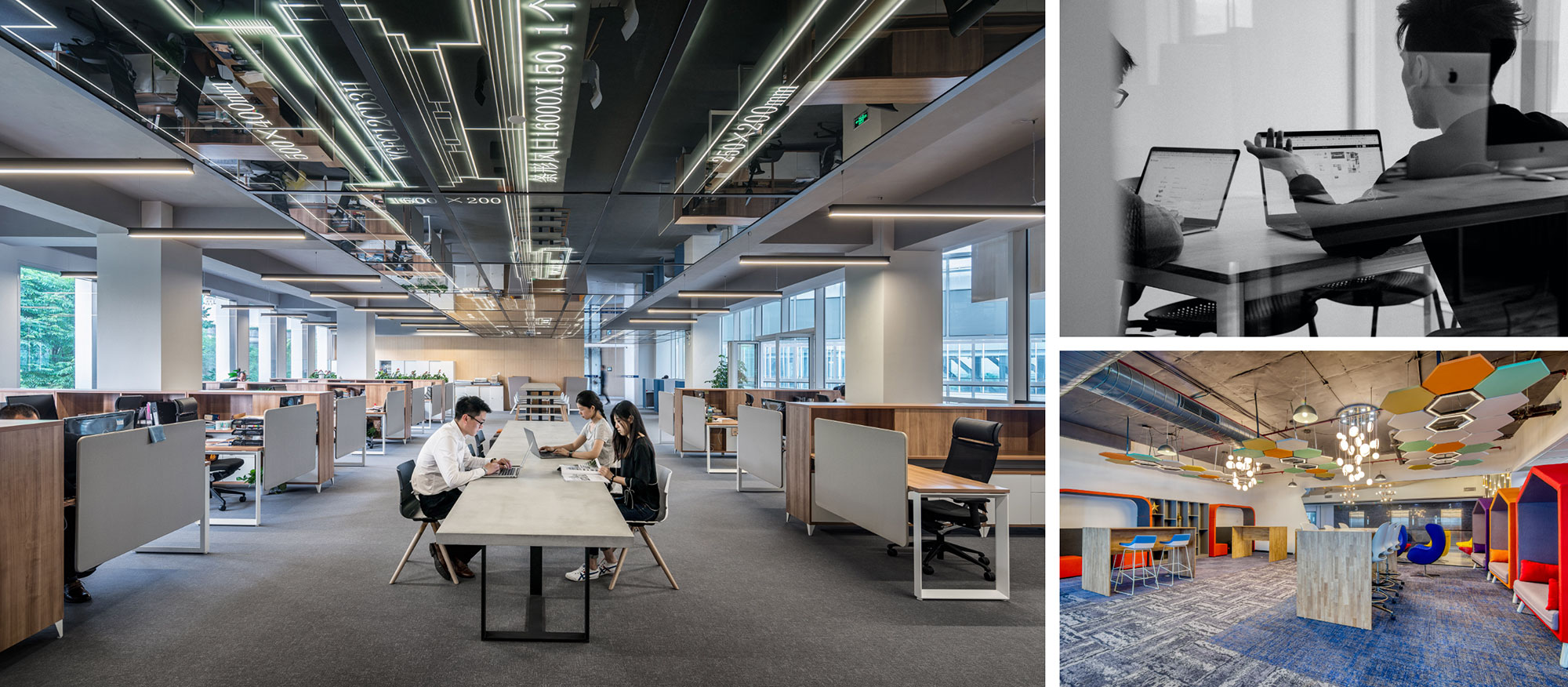
When someone types office space for rent 300, they are typically seeking a small office unit, around 300 square feet (≈ 28 m²), suitable for small teams or single-room setups. These units are commonly found in co-working buildings, serviced office floors, or partitioned floors in a larger building.
This size is attractive because it balances cost and functionality: small enough to reduce expense, but large enough to accommodate 3–6 people with meeting or support areas. For businesses scaling up from a single desk or freelancers combining into a small team, 300 sq ft is a natural stepping stone.
Demand Drivers for Smaller Office Units
Several trends fuel demand for 300 sq ft offices:
-
Cost pressure and rising rents: Smaller offices mean lower fixed costs.
-
Flexibility needs: Businesses can move or scale more easily.
-
Hybrid work models: Not everyone needs full-time desks — small offices suffice for core team collaboration.
-
Startups and micro-companies: Many new ventures begin with small teams and limited budgets.
Because of these factors, “office space for rent 300” is a niche but very relevant keyword in commercial real estate and co-working sectors.
Key Considerations When Looking for a 300 sq ft Office
Layout, Usability & Efficiency
300 sq ft must be used smartly. When evaluating an office of this size, consider:
-
Rectangular vs irregular shapes: Regular layout reduces wasted space.
-
Ceiling height and windows: Adequate light and sense of openness matter a lot in small areas.
-
Partition walls vs open plan: Fixed partitions reduce flexibility; using modular or glass partitions is preferred.
-
Floor loading and HVAC capacity: Ensure the building’s systems can support equipment, cabling, and ventilation demands.
Efficiency is essential — shared spaces (meeting rooms, lounge areas) must supplement the limited private area.
Location and Access
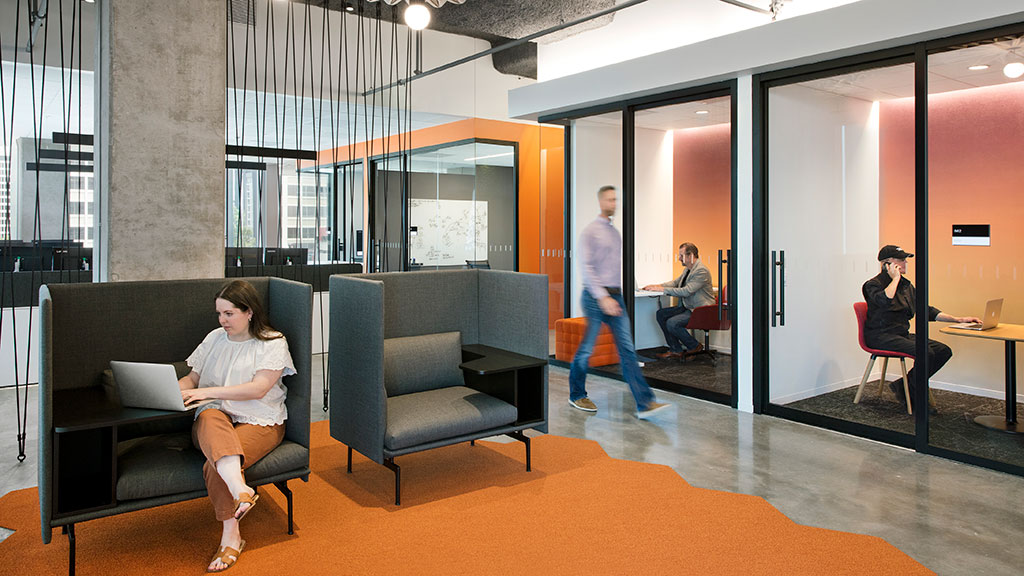
Because 300 sq ft is relatively low overhead, tenants often prioritize prime locations or prestigious addresses. Key location considerations:
-
Proximity to transport (stations, buses)
-
Visibility and frontage (for branding and walk-ins)
-
Surrounding amenities (cafés, restaurants, services)
-
Safety and after-hours access (for occasional work beyond standard hours)
A small office in a premium zone often outcompetes bigger offices further out, in terms of client perception and accessibility.
Lease Terms, Inclusions & Flexibility
Given the small scale, tenants may expect more inclusive and flexible leases. Things to look for:
-
All-inclusive rent models, where utilities, cleaning, and internet are bundled
-
Shorter term leases or rolling contracts
-
Shared services and amenities (meeting rooms, reception, printing)
-
Scalability or expansion rights within the same property
-
Cap on service charge increases and clarity of what is included
A small tenant should avoid hidden costs or surprise bills.
Real-World Examples of ~300 sq ft Office Spaces
Here are three illustrative example types of ~300 sq ft offices (or similar small suites), showing how they operate and their relevance.
Private Office Suite 300 sq ft in Serviced Office Building
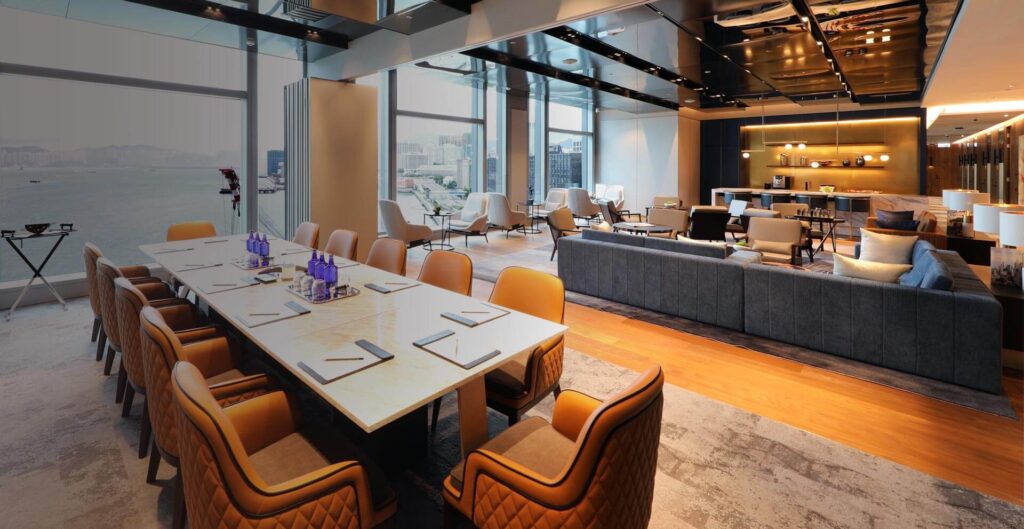
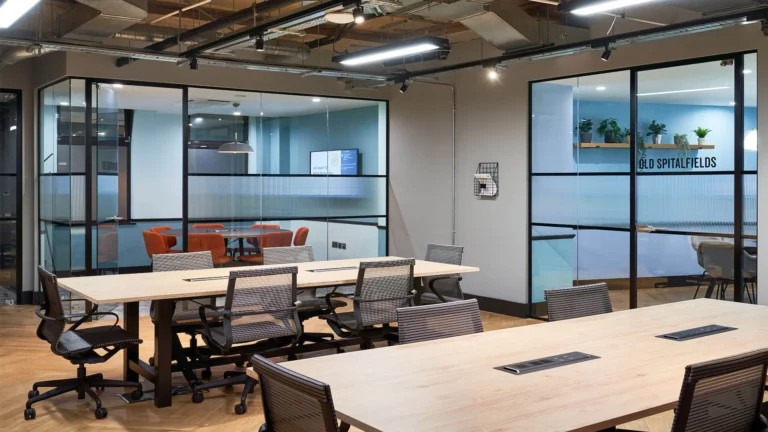
This could be a standalone private suite inside a larger serviced office block. It includes a door-locking partition, access to shared meeting rooms, reception, coffee zone, and co-working lounge.
Relevance & detail: This model offers the best of both worlds: privacy and autonomy, plus shared infrastructure. A small team (e.g. 4–5 people) can operate in a compact suite, yet benefit from higher-end amenities they couldn’t afford individually.
Co-working “Dedicated Office” of ~300 sq ft
Many co-working companies offer “dedicated offices” within a larger open floor. These are small enclosed rooms inside a co-working ecosystem. Tenants get their own space but also access to community and flexibility.
Relevance & detail: This is one of the most common models for “office space for rent 300.” It’s lower cost per square foot than full private buildings, and lets small companies enjoy scale benefits (amenities, networking).
Partitioned 300 sq ft in a multi-tenant building

Older commercial buildings sometimes allow tenants to lease small units carved out of a larger floor. These may be basic shell condition, requiring fit-out. Tenants share common corridors and core services (elevators, bathrooms).
Relevance & detail: This can offer lower rents but demands more tenant investment in finishing. For entrepreneurial teams comfortable handling fit-out, this offers the lowest base rent with customization control.
Each example shows a different cost/amenity trade-off — from turnkey private suites to community-oriented co-working to semi-raw lease units.
Benefits of Choosing a 300 sq ft Office Space
Lower Fixed Costs & Risk
With smaller area, rent, service charges, and utility bills are all lower. This reduces financial strain and risk, particularly for early-stage firms or lean operations.
Faster Move-In & Simpler Fit-Out
Fitting out 300 sq ft is quicker and cheaper than larger spaces. Turnkey or partially fitted options minimize downtime, enabling businesses to start operations more rapidly.
Flexibility & Scalability
Small tenants can upgrade or relocate as needed without huge disruption. Many providers allow expansion into adjacent suites, or seamless transition to larger space.
Enhanced Location Opportunity
With lower overheads, tenants can choose premium locations they might not otherwise afford at a larger size. This improves access, credibility, and client reach.
Shared Amenities & Community Benefits
Even though private area is small, access to shared meeting rooms, kitchens, lounges, and reception adds tremendous value without additional cost. This can make a small office feel much larger.
Technology’s Role in Small Office Space Efficiency
Smart Infrastructure & IoT
For a 300 sq ft space, efficient systems are critical. Motion sensors for lighting, HVAC zoning, and smart thermostats help reduce waste. An occupant sensor might switch off lights or adjust climate when idle.
High-Speed Internet & Data Backbone
Even small suites demand reliable connectivity. Pre-wired fiber, redundant circuits, and good network design ensure performance for video, cloud, and collaboration tools without congestion.
Access Control & Security Integration
Mobile or card-based access, automated locks, and integrated security systems help a small space operate securely and conveniently. These systems are especially useful when space is unmanned overnight.
Virtual Meeting & Collaboration Tools
With limited physical space, teams often rely on hybrid collaboration. Rooms equipped with high-quality A/V, digital whiteboards, and wireless presentation systems make small offices punch above their weight.
Analytics & Space Utilization
Providers can use sensors and analytics to track usage, optimize layouts, and improve resource allocation (e.g., which meeting rooms are used most). Tenants may get feedback on how to better use their small footprint.
Technology turns a small space into a high-performing environment.
Use Cases: When 300 sq ft Offices Make Perfect Sense
Early-Stage Startups
A small founding team of 3–5 people can launch in a 300 sq ft private office while maintaining professionalism, focus, and culture. It’s a natural upgrade from working from home or coffee shops.
Sales & Field Teams Hub
Companies with remote sales staff might maintain a small NYC or regional office as a coordination center — minimal staff, central address, meeting zone.
Project or Temporary Teams
When running a short-term project (e.g., research, marketing campaign), leasing a 300 sq ft space gives dedicated focus and identity without long-term commitment.
Satellite or Remote Offices
A company headquartered elsewhere may place a small branch or liaison team in a new city with a small footprint to test the market, gain presence, or interface with clients.
Flexible Work Models & Hybrid Hub
In a hybrid paradigm, only a core team may need physical presence a few days per week. A 300 sq ft office serves as a collaboration hub while others work remotely.
These use cases show how office space for rent 300 solves real operational, financial, and strategic needs.
Benefits From Technology in Day-to-Day Operation
-
Optimized Resource Use: Smart controls prevent overuse of energy and utilities.
-
Better Productivity: Reliable connectivity and A/V tools support seamless work.
-
Enhanced Experience: Touchless access, app-based control, and cloud services streamline daily operations.
-
Scalable Infrastructure: As teams grow, systems scale without full rework.
-
Data-Informed Decisions: Analytics inform future expansion, layout changes, and usage improvements.
Steps to Find the Right 300 sq ft Office Space
-
Specify Requirements: Team size, lease duration, location preferences, amenities needed.
-
Research Providers: Identify coworking, serviced office providers, and small suite landlords.
-
Shortlist Locations: Balance prestige, access, cost, and client proximity.
-
Visit and Evaluate: Verify light, acoustics, network readiness, ventilation, layout usability.
-
Check Lease Flexibility: Confirm expansion rights, termination clauses, and inclusions.
-
Plan Tech Setup Early: Pre-wire and integrate data, access control, and power in layout.
-
Finalize Move-In: Coordinate furniture, network, access credentials, and punch-list checks.
Frequently Asked Questions (FAQ)
Q1: Is 300 sq ft enough for an office?
Yes, for many small teams (3–6 people) or specialty use (e.g., boutique sales, design, remote core team). Effective layout, shared amenities, and smart design can make a 300 sq ft space highly functional.
Q2: What is typical rent for a 300 sq ft office?
It depends heavily on location, building class, and amenities. In major cities, 300 sq ft offices in premium zones or serviced setups command a high per-square-foot rate. In smaller or suburban markets, the cost is much lower. Always compare cost per square foot including all services.
Q3: Can a 300 sq ft office handle technology needs (server, meeting space)?
Yes, with careful planning. Many small offices rely on cloud services (reducing server needs), shared meeting rooms externally, and integrated A/V for remote collaboration. Data infrastructure and HVAC must be well spec’d for power and cooling.