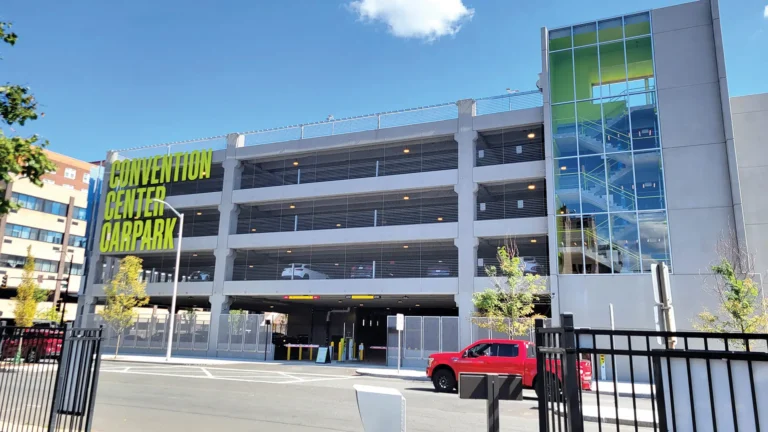
Property Office for Rent Your Definitive Guide to Leasing the Right Workspace
A property office for rent refers to a commercial property (or part of one) leased out for use as an office. It includes traditional standalone office buildings, floors in mixed-use developments, coworking or serviced offices, and hybrid property formats combining office with retail or light industrial. The phrase emphasizes the property aspect (the real estate) and rental/lease mechanism (rather than ownership).
Choosing a property office for rent is a crucial decision for businesses it sets the operational base, influences costs, and affects employee satisfaction. With trends like hybrid working, demand for flexible and well-amenitized offices is growing.
Current Office Market Context
The office sector is undergoing transformation. Many markets show elevated vacancy rates, pressure on older properties, and a flight to quality meaning newer or renovated, amenity-rich offices are performing better than dated stock. In many major metro areas, average full-service office listing rates are under pressure, but prime properties still command premiums. Several reports suggest stabilization in demand as hybrid work models settle in and occupancy gradually recovers.
Because of this backdrop, metrics like location, infrastructure readiness, flexibility, and building quality are more critical than ever in selecting a property office for rent.
Types & Features of Property Offices Available for Rent
Traditional vs Flexible Offices
Traditional offices are long-term leases in standard commercial structures, where tenants often customize interiors. These tend to have longer lease durations and fixed infrastructure responsibilities.
In contrast, flexible offices, serviced offices, or coworking models allow shorter leases, turnkey readiness, and shared amenities. They reduce the burden of fit-out and operations, appealing to companies needing agility.
Classifications & Building Tiers
Offices are often classified into classes (Class A, B, C) based on location, finishes, systems, and prestige. A property office for rent in a Class A building will typically have superior lobby, HVAC, elevator, and structural quality — and command higher rent. Lesser classes may be more affordable but may require upgrades or compromise on amenities.
Hybrid & Mixed-Use Properties
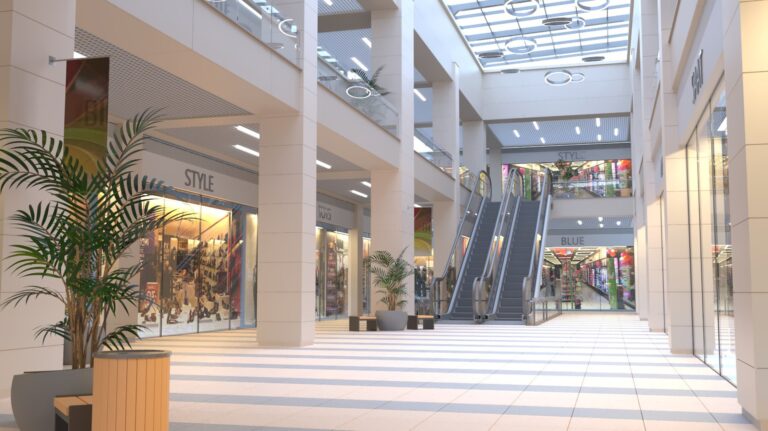
Increasingly, properties combine office with retail, residential, or light industrial usage. A property office for rent in a mixed-use building may offer dual access, integrated amenities, and better foot traffic exposure.
Spec & Shell Conditions
Offices may be delivered as shell (bare structure), partially fitted (some mechanical systems, lighting), or fully fitted/turnkey. Knowing what “delivery condition” means is vital it determines how much tenant investment is needed.
What to Look for When Choosing a Property Office for Rent
Location & Connectivity
Proximity to transit, major roads, amenities, and talent pool is paramount. A prime neighborhood or business district address enhances credibility and reduces commuting friction.
Infrastructure & Building Systems
Modern tenants expect high-speed internet, redundant power, quality HVAC, energy efficiency, smart building systems, and well-maintained common areas. A property office for rent without solid infrastructure will struggle to attract quality tenants.
Lease Flexibility & Terms
Given market uncertainties, more tenants demand flexible lease terms: break options, shorter commitment periods, scalable space expansion. Also examine cost inclusions (utilities, maintenance, cleaning) and clarity of operating expense charges.
Fit-Out & Tenant Improvement (TI) allowances
Negotiate for tenant improvement allowances or customization rights. Understand who bears costs of fit-out, finishes, partitions, and how landlord oversight or approvals work. The more flexibility in TI, the more control the tenant has over their space.
Sustainability & Certification
In many markets, offices with green certifications (LEED, BREEAM, etc.) or energy-efficient design are preferred. They reduce operating costs and align with corporate ESG goals.
Building Quality & Image
Lobby, façade, entrance, elevation, interior materials all contribute to first impressions. A property office for rent must reflect brand standards if tenants welcome clients. Older buildings may need refurbishing to compete.
Real-World Example Offices for Rent
Here are some illustrative examples of property offices for rent (conceptual) to show how they are structured and marketed.
Turnkey Office Suite in City Center

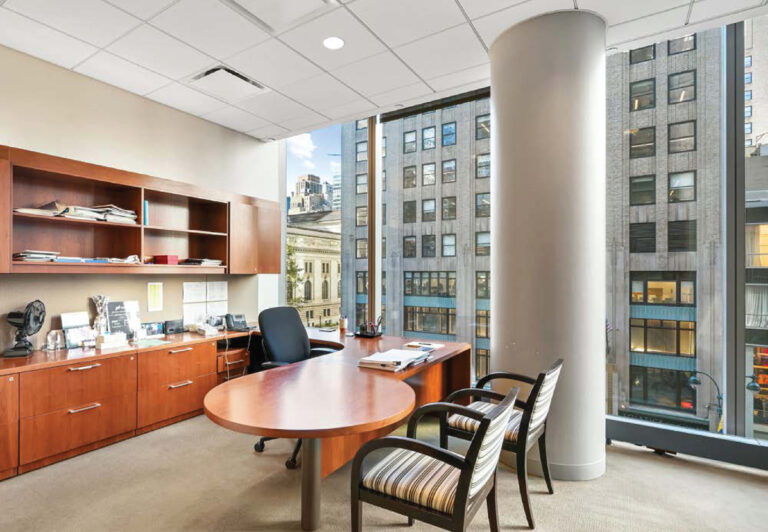
This listing describes a fully fitted 3,000 sq ft office suite in a downtown tower, with built-in furniture, carpet, lighting, data ready, and shared meeting rooms. Entrance in the premium lobby.
Relevance: Many businesses prefer turnkey suites to avoid setup delays and capital expense. A property office for rent marketed in this condition appeals to firms wanting swift occupancy.
Suburban Business Park Office
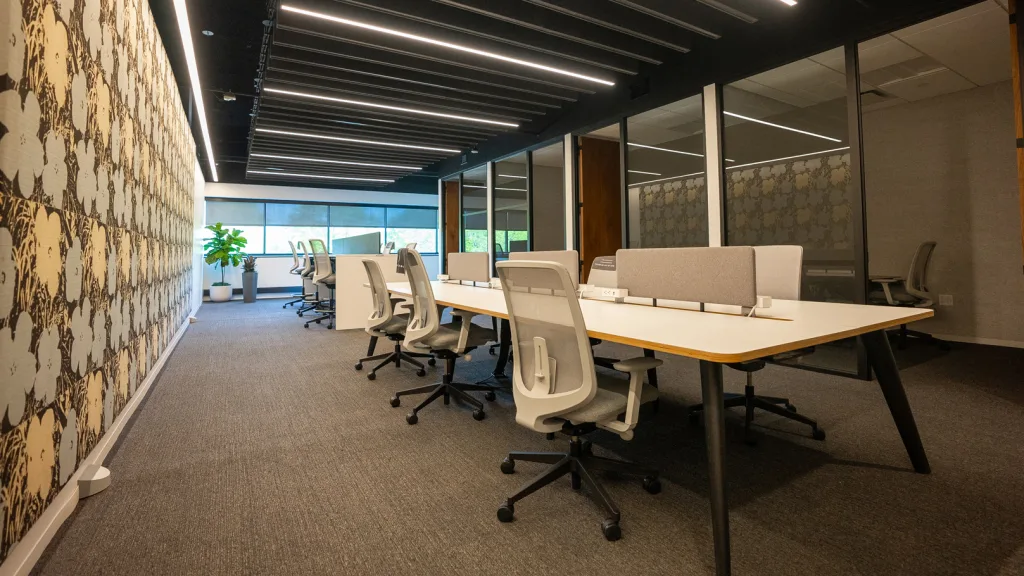
An office within a campus-style business park, offering lower rent, parking, green surroundings, and easy highway access. The listing notes parking, signage, and access flexibility.
Relevance: Companies not dependent on core city presence may prefer suburban offices to save cost. This model suits back-office, distribution touchpoints or satellite branches.
Coworking / Shared Office Property
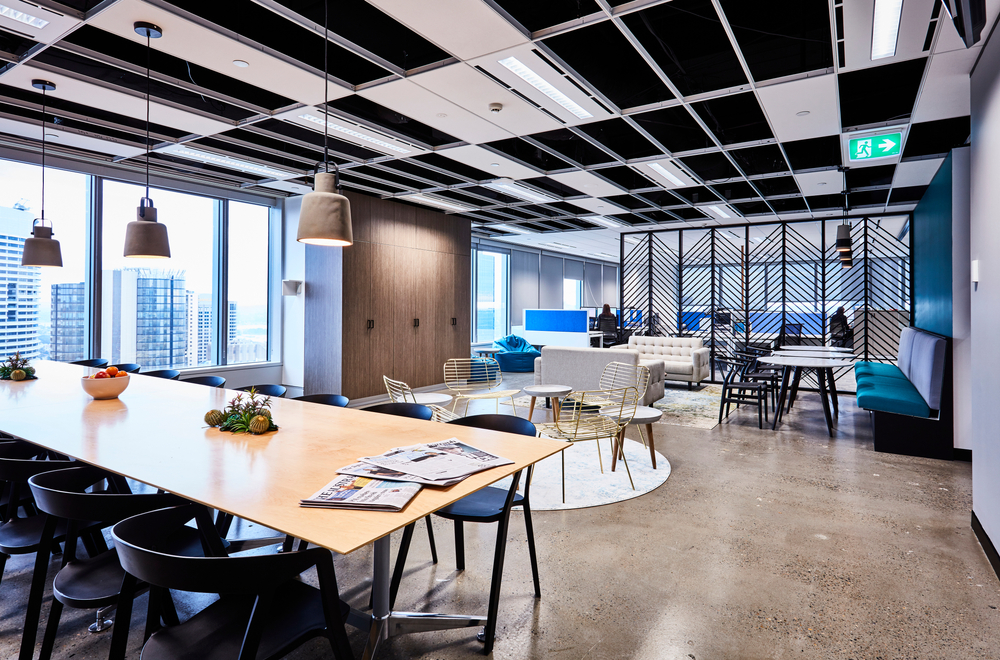
A building where floors are rented to multiple tenants under flexible arrangements, with shared common areas, meeting rooms, lounge spaces, and reception services.
Relevance: This structure lowers capital burden on each tenant and allows scaling. A property office for rent in this format appeals to small businesses or hybrid teams.
Historic Conversion Office Property

An older warehouse or heritage building converted into loft-style offices, preserving character while integrating modern systems exposed brick, high ceilings, open layouts.
Relevance: Creative firms, design, media, or boutique consultancies often value character in space. These conversions are popular when marketed as “unique property office for rent.”
Each example shows distinct positioning: turnkey, cost-sensitive, collaborative, or character-driven.
Benefits of Renting a Property Office
Cost Control & Cash Flow Flexibility
Renting avoids capital expenditure and ties up less cash. It gives businesses agility to allocate resources to operations rather than real estate. Also, predictable rental expense helps with budgeting.
Access to Better Locations & Building Infrastructure
Rental options open access to properties that might otherwise be unaffordable to purchase. Businesses can benefit from premium locations, amenities, and infrastructure without full ownership burden.
Scalability & Flexibility
Tenants can upsize, downsize or relocate more easily than under ownership. Hybrid lease terms and flexible space models help respond to shifting needs.
Reduced Maintenance Overhead
Landlords typically manage exterior, structure, common areas, and major building systems. Renters focus only on interior maintenance, reducing burden.
Faster Occupancy & Reduced Risk
With properly delivered spaces (turnkey or partial fit-out), tenants can move quickly. Rental gives leeway to test new markets or pivot without long-term risk.
Alignment with ESG & Sustainability
Leasing modern, green-certified properties helps organizations meet sustainability goals without the burden of retrofitting older properties.
How Technology Elevates Office Rental Listings
Virtual Tours & 3D Visualization
High-quality 3D tours let prospects explore floor plans remotely, assessing layout, lighting, and flow before physical visits shortening leasing cycles.
Smart Building Features
Listing offices that incorporate building automation, smart HVAC, lighting controls, occupancy sensors, and IoT systems attract tenants looking for tech-enabled workplaces.
Analytics & Market Insights
Agents use data on listing performance, market metrics (absorption, vacancy), and visitor behavior to refine listings, pricing, and positioning.
Digital Lease Workflow & e-Signing
Integrating online lease negotiation, document signing, and lease management streamlines the process — making it more attractive to tech-savvy tenants.
Interactive Mapping & Location Tools
Embed geolocation maps, walkability scores, transit proximity, and neighborhood data in listings. Helps tenants quickly assess the trade area.
These tech enhancements make property office rentals more engaging, transparent, and efficient.
Use Cases: When “Property Office for Rent” Is the Right Solution
Startups & Growing Companies
A startup may begin in a co-working environment. Once growth demands, they lease a small property office to establish identity while preserving agility.
Satellite or Branch Offices
A company headquartered in one city opens branch presence in another via leased office. Rental allows faster entry than purchasing property.
Project Teams & Temporary Offices
For short-term projects (6–18 months), renting a property office is ideal. After the project ends, the tenant can vacate without legacy real estate obligations.
Downsizing or Consolidation
Firms reducing footprint can shift from multiple owned properties to a leased property office that offers better consolidation.
Hybrid Work Model Support
Organizations shifting to hybrid models rent core offices for collaboration and meetings, reducing the total real-estate footprint while maintaining presence.
These scenarios illustrate how flexible renting helps address growth, risk, mobility, and evolving workplace strategies.
Steps to Secure the Right Property Office for Rent
-
Define your space needs, headcount, lease duration, and budget.
-
Shortlist desired neighborhoods and property types.
-
Engage realty brokers specialized in office property.
-
Visit potential spaces, check infrastructure, layout, and building quality.
-
Request detailed lease proposals: rent, escalations, inclusions, maintenance, TI allowances.
-
Negotiate terms, including permissible alterations and flexibility.
-
Finalize fit-out plans, coordinate move-in, test systems, and monitor usage after occupancy.
Frequently Asked Questions (FAQ)
Q1: What is the typical lease term for a property office for rent?
Office leases commonly range from 3 to 10 years, but flexible and shorter-term leases (1–3 years) are increasingly offered in modern markets to accommodate uncertainty and agility.
Q2: What costs beyond rent should I expect?
In addition to base rent, tenants may bear utilities, janitorial service, property taxes, common area maintenance (CAM), insurance, and repairs. Lease proposals should clarify who is responsible for which costs (gross lease, net lease, full service).
Q3: How do I choose between a property office for rent vs buying?
Renting offers lower upfront costs, greater flexibility, and risk mitigation. Buying provides equity and control. If your capital is better used for business growth and your spatial needs may change, renting often is a smarter path in early to mid stages.