Triten Real Estate Partners Strategic Profile and Market Positioning
Triten Real Estate Partners (TREP) is a vertically integrated real estate investment, development, and operations company focused on industrial, logistics, warehouse, and industrial outdoor storage (IOS) assets. Founded in 2011, the company manages over a billion dollars in assets and continues to expand across key U.S. markets.
Its integrated model spanning acquisition, development, and management enables efficiency and stronger value creation across every stage of the real estate lifecycle.
Business Model, Strategy & Focus Areas
Strategic Approach & Vertical Integration
Triten’s vertical integration allows it to control development, construction, and operations under one roof. This structure reduces friction between design intent and operational execution, improving both cost efficiency and tenant satisfaction.
This model is particularly powerful in the industrial and IoT sector, where land use, logistics planning, and operations are deeply connected.
Core Asset Classes & Market Niches

Triten primarily targets three key asset classes:
-
Industrial and Logistics Facilities – for warehousing, distribution, and manufacturing.
-
Industrial Outdoor Storage (IOS) – including truck yards, trailer depots, and open-air logistics hubs.
-
Value-Add & Opportunistic Assets – focusing on redevelopment and repositioning underutilized sites.
By mastering these sub-sectors, Triten stands out as a specialist rather than a generalist in real estate.
Capital Strategy & Financing
Triten utilizes refinancing and joint ventures to scale and recycle capital efficiently. This disciplined capital strategy ensures long-term growth while maintaining flexibility to seize new opportunities.
Geographic & Market Selection
Triten operates in high-demand industrial corridors across the United States, targeting regions with strong logistics infrastructure, workforce availability, and favorable regulations.
Real-World Examples & Project Illustrations
Example 1: Industrial Outdoor Storage Portfolio Expansion
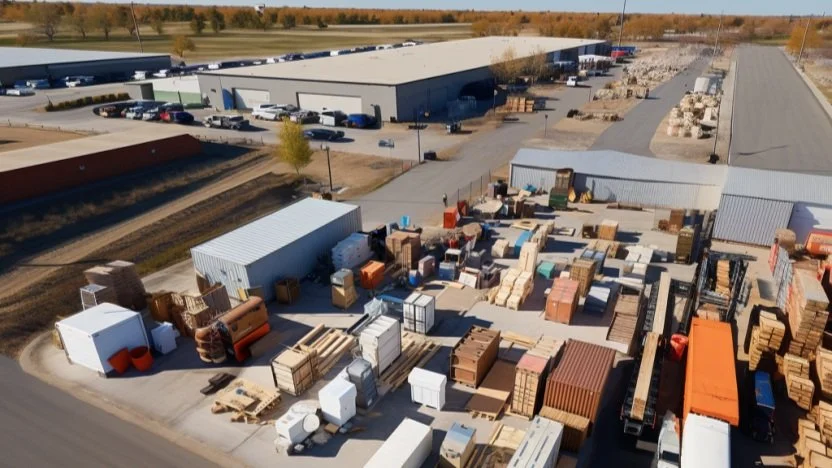
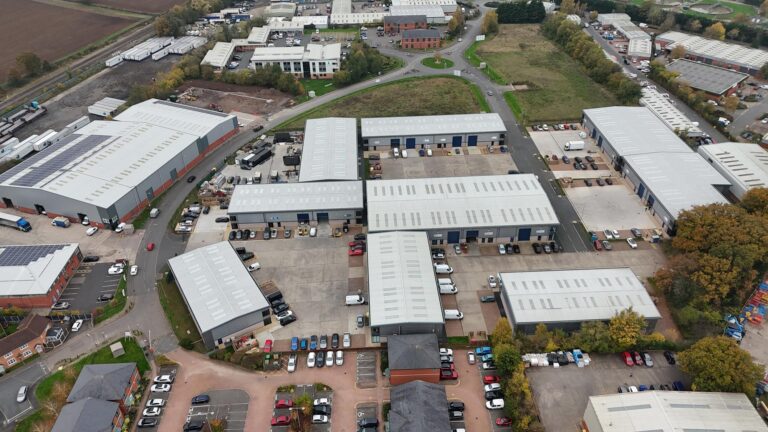
Triten successfully expanded a large IOS portfolio across multiple U.S. states, optimizing yard utilization, drainage, and tenant access. The portfolio exemplifies how scale and standardization can enhance operational performance and asset value.
Example 2: Strategic Repositioning of Underutilized Industrial Parcels

Triten transformed low-coverage industrial properties into high-yield IOS yards. This repositioning strategy helped unlock latent land value and attract long-term logistics tenants.
Example 3: Modern Industrial and Logistics Facilities
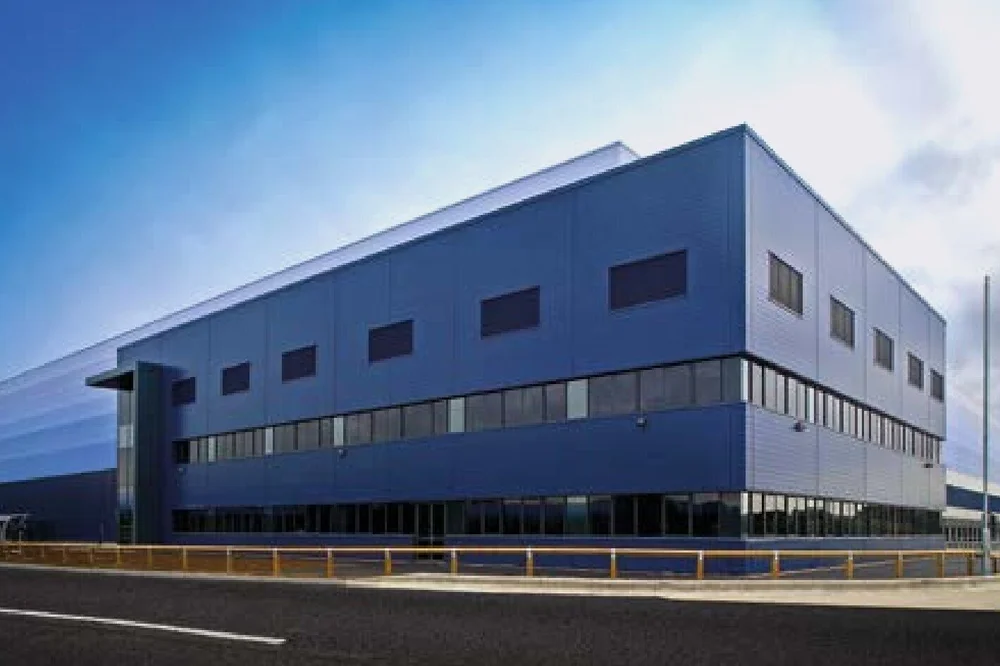
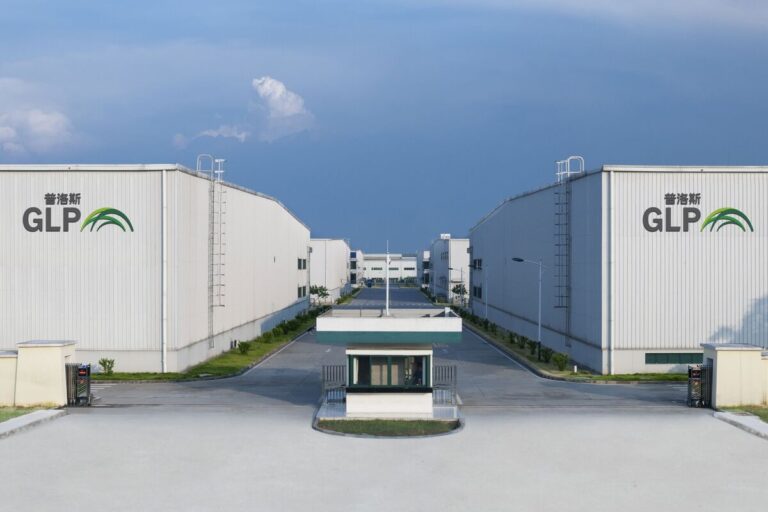
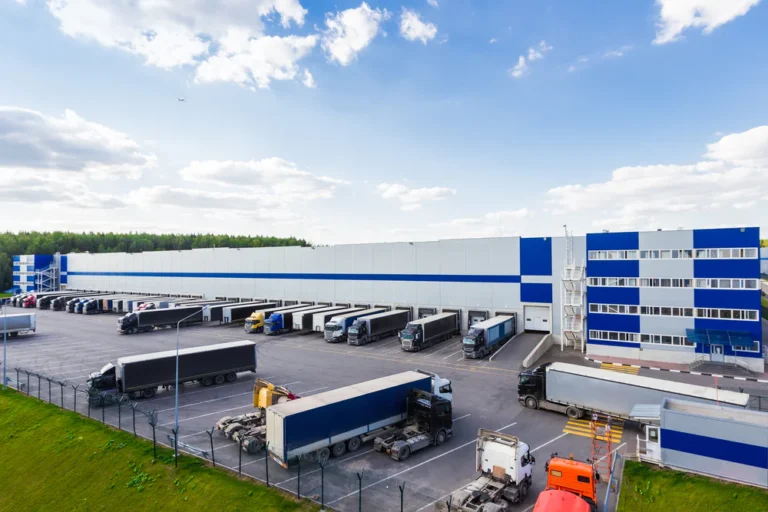
Beyond IOS, Triten manages numerous logistics and distribution facilities. These properties provide critical infrastructure for modern supply chains, meeting growing demand from e-commerce and transportation companies.
Use Cases & Problem-Solving Applications
Flexible Outdoor Storage for Logistics Firms
Problem: Logistics operators need quick access to storage space for trailers or containers, but face limited land availability.
Solution: Triten’s IOS portfolio offers ready-to-use yards with infrastructure, lighting, and security. Tenants gain rapid expansion capability without long development cycles.
Repositioning Underused Industrial Assets
Problem: Property owners struggle with parcels that lack full utilization.
Solution: Triten redevelops or converts these into intoiOS-friendlyy layouts, boosting income potential while optimizing land use.
Diversification for Institutional Investors
Problem: Institutional investors seek industrial exposure beyond warehouses.
Solution: Triten offers partnership opportunities in IOS and logistics, diversifying portfolios and balancing risk.
Benefits & Technology Integration
Operational Efficiency & Analytics
Triten leverages data analytics to forecast demand, optimize layouts, and enhance acquisition strategies. Real-time monitoring supports proactive maintenance and reduces downtime.
Capital Optimization & Scenario Planning
Through advanced financial modeling, Triten evaluates different capital scenarios to optimize refinancing, improve yield, and manage portfolio balance efficiently.
Tenant Experience & Digital Systems
Digital access systems, remote monitoring, and integrated dashboards improve tenant satisfaction and streamline operations.
Risk Management & Resilience
Triten applies data tools to assess environmental and operational risks, ensuring asset resilience and long-term sustainability.
Scalability & Cost Efficiency
Standardized operations and shared technology platforms make it easier to scale into new markets while maintaining quality and reducing costs.
Practical Benefits for Stakeholders
Tenants
-
Fast access to industrial or yard space
-
Reliable infrastructure and management
-
Transparent operations and digital amenities
Investors
-
Access to niche industrial markets
-
Enhanced return potential through operational value-add
-
Long-term partnership with an experienced operator
Communities
-
Job creation through logistics operations
-
Revitalization of underused land
-
Increased local tax revenue and economic growth
Why Triten’s Model Matters Today
-
Industrial real estate demand continues to surge due to e-commerce and supply chain restructuring.
-
IOS is a rapidly emerging sub-sector offering strong risk-adjusted returns.
-
Vertical integration creates alignment, agility, and efficiency.
-
Triten’s data-driven approach positions it as a long-term leader in industrial real estate.
Frequently Asked Questions
Q1: What is Industrial Outdoor Storage (IOS)?
IOS refers to open-air logistics sites designed for vehicle parking, container storage, or construction materials. Triten specializes in developing and managing IOS assets nationwide, combining land optimization with strong tenant infrastructure.
Q2: What are the main risks in Triten’s strategy?
Key risks include zoning limits, tenant turnover, and site maintenance challenges. Triten mitigates these through data analysis, careful site selection, and proactive management.
Q3: Can Triten’s model scale to other markets?
Yes. Its integrated operations and standardized systems allow rapid expansion into new markets while maintaining efficiency and profitability.